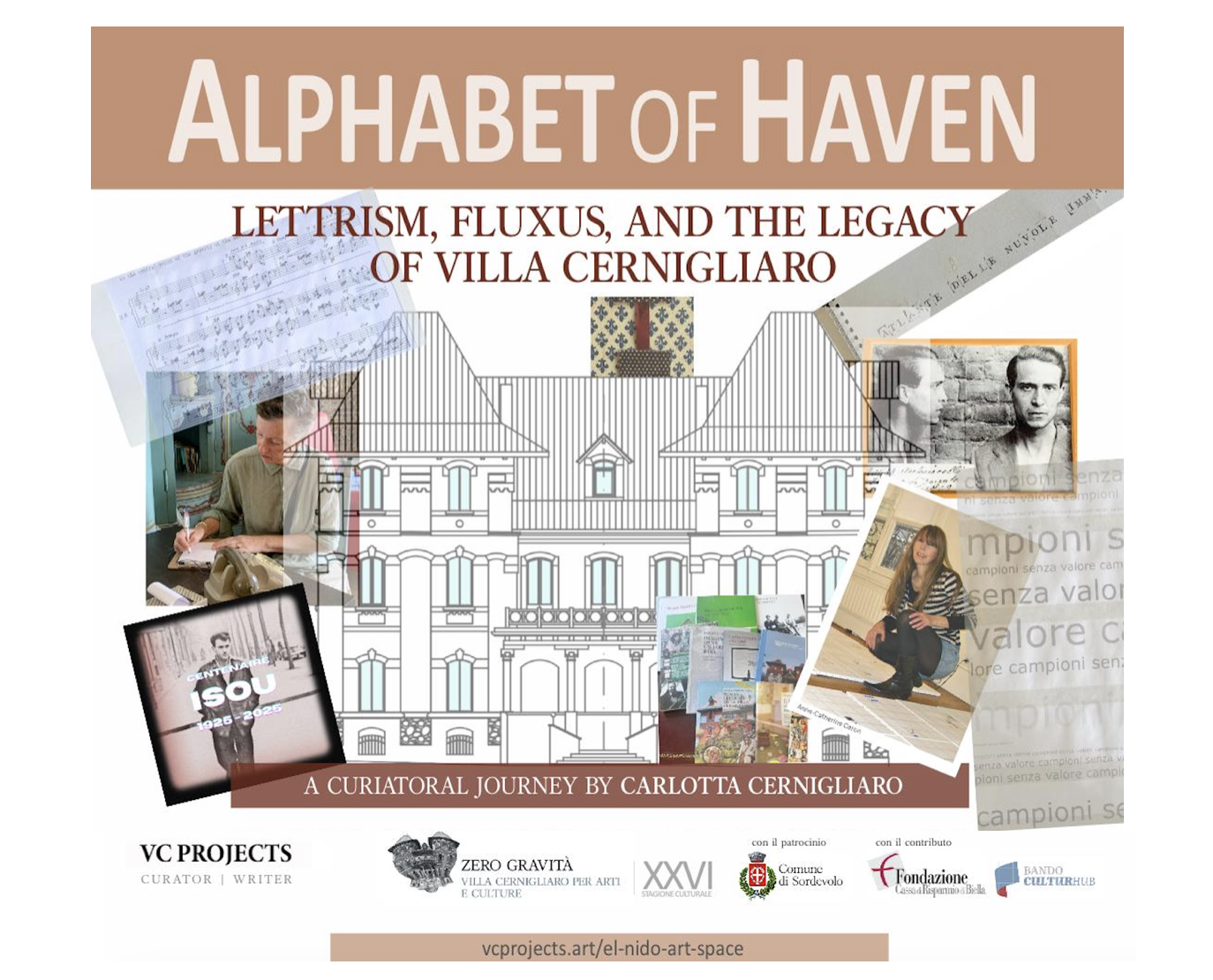
FEATURED ON CURATE LA NEWSLETTER
“This Week's Must See Art in L.A.”
(October 22 - October 28, 2026)

ALPHABET OF HAVEN
LETTRISM, FLUXUS, AND THE LEGACY OF VILLA CERNIGLIARO
a curatoral journey by Carlotta Cernigliaro
COURTESY: ASSOCIAZIONE ZERO GRAVITÀ VILLA CERNIGLIARO PER ARTI E CULTURE, SORDEVOLO, ITALY
A PRESENTATION BY VICTORIA CHAPMAN | EL NIDO BY VC PROJECTS, LOS ANGELES
exhibition dates: OCTOBER 22 - december 23, 2026 | by appointment contact: victoria@vcprojects.art
Reception, Monday, October 26, 2026 from 4:30 - 6:30 pm
ARTISTS FEATURED:
ANNE-CATHERINE CARON, VITTORIA ADELE ZAMBONI, TOMMASO CORREALE SANTACROCE, ROLAND SABATIER, PAOLA ZORZI, John Cage, AND ARMANDO RIVA
"Alphabet" (the raw material of art)
Refers directly to the core matrix of Lettrism and visual poetry. It signifies the use of the letter, the graphic sign, the typographic character, and the phoneme dismantled from its traditional linguistic function to become pure visual form. It is the raw material with which artists build their language.
"Haven" (the site and the vision)
Refers to Villa Cernigliaro and its historic park. The Villa is conceived not merely as a container or a conventional gallery space, but as a genuine haven of intellectual freedom. Historically a sanctuary and gathering place for the anti-fascist group of intellectuals centered around Franco Antonicelli, the estate carries a deep legacy as a protected space for cultural resistance. Continuing this tradition, historical avant-garde movements and local artists found here a place of preservation, focus, and creative rebirth in which to cultivate transformative ideas.
Combining the two concepts, "Alphabet of Haven" literally means: the visual and poetic language born, preserved, and developed within the protected, regenerative atmosphere of Villa Cernigliaro. It represents the unique expressive code forged within those walls through the encounter between the avant-garde collection (Lettrism and Fluxus) and local artists.
In the mid-20th century, Lettrism radically dismantled language to rebuild art from its most fundamental atom: the letter, the sound, the visual sign. While Paris served as the epicenter of this poetic and typographic revolution, its resonant waves traveled far beyond French borders, intersecting with the radical fluidity of Fluxus and finding uniquely fertile ground in Italy.
This exhibition traces a deeply personal and historic genealogy of visual poetry and avant-garde experimentation. It is a journey born from the crucial encounter and collaboration with Francesco Conz in Verona—a monumental figure in supporting concrete poetry, visual art, and the Fluxus movement—which subsequently took root at Villa Cernigliaro. Nestled in the Biellese landscape, the estate carried forward its legacy as an intellectual haven, evolving into a living laboratory and creative retreat where international avant-garde traditions met and intertwined with local creative energy.
Bringing together historical Lettrist masterworks alongside pieces by Biellese artists who absorbed, reinterpreted, and expanded these visual lexicons, the collection curated by Carlotta Cernigliaro offers an unprecedented bridge across continents. Presented now at El Nido in Hollywood, this selection reveals how the letter—liberated from syntax—continues to serve as a universal language of resistance, poetry, and infinite visual invention. - Carlotta Cernigliaro
CARLOTTA CERNIGLIARO — CURATOR
Carlotta Cernigliaro is an Italian curator, graphic designer, and cultural organizer based in Sordevolo, Piedmont. Trained at IED in Milan, she founded the design studio Ergonarte and developed a practice spanning visual communication, theatre, and experimental art. As the owner and custodian of Villa Cernigliaro, she founded Associazione Zero Gravità, supporting contemporary artistic research and preserving the cultural legacy of Franco Antonicelli. Her curatorial work brings historical avant-garde movements into dialogue with contemporary artists through exhibitions, performances, and international collaborations, sustaining the Villa as a place of intellectual freedom and cultural exchange
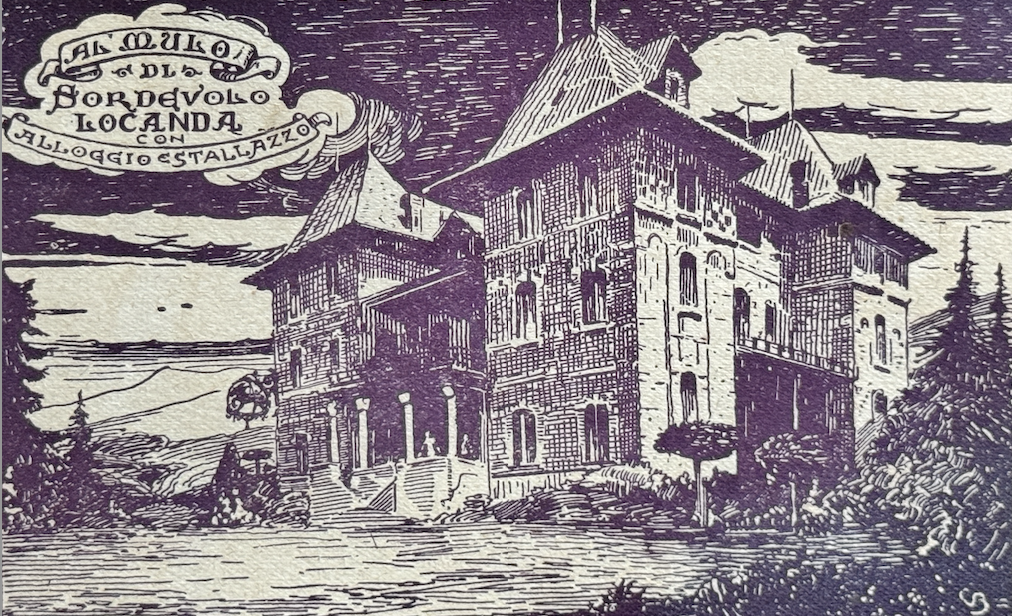
VILLA CERNIGLIARO, COURTESY: ASSOCIAZIONE ZERO GRAVITÀ VILLA CERNIGLIARO PER ARTI E CULTURE, SORDEVOLO, ITALY
(ITALIAN)
ALPHABET OF HAVEN
LETTRISMO, FLUXUS E L’EREDITÀ DI VILLA CERNIGLIARO
"Alfabeto" (la materia dell'arte): Si riferisce direttamente alla matrice del Lettrismo e della poesia visiva. Indica l'uso della lettera, del segno grafico, del carattere tipografico e del fonema smontato dalla sua funzione linguistica tradizionale per diventare forma visiva pura. È la materia prima con cui gli artisti costruiscono il loro linguaggio.
"Rifugio" (il luogo e la visione): Si riferisce a Villa Cernigliaro e al suo parco. La villa non è semplicemente un contenitore o una galleria, ma un autentico rifugio di libertà intellettuale. Storicamente dimora e punto di incontro per il gruppo di intellettuali antifascisti raccolto intorno a Franco Antonicelli, la tenuta ha una vocazione profonda come spazio protetto di resistenza culturale. In questo solco, le avanguardie storiche e gli artisti locali hanno trovato un luogo di custodia, concentrazione e rinascita, dove far germogliare nuove idee.
Unendo i due termini, "Alphabet of Haven" significa letteralmente: il linguaggio visivo e poetico nato, custodito e sviluppato nello spazio protetto e rigenerativo di Villa Cernigliaro. Rappresenta il codice espressivo unico che si è creato tra quelle mura grazie all'incontro tra la collezione d'avanguardia (Lettrismo e Fluxus) e gli artisti del territorio.
A metà del Novecento, il Lettrismo ha smantellato radicalmente il linguaggio per ricostruire l'arte a partire dal suo atomo fondamentale: la lettera, il suono, il segno visivo. Mentre Parigi diventava l'epicentro di questa rivoluzione poetica e tipografica, le sue onde di risonanza hanno viaggiato ben oltre i confini francesi, intersecando la fluidità radicale di Fluxus e trovando un terreno unico e fertile in Italia.
Questa mostra traccia una genealogia profondamente personale e storica della poesia visiva e della sperimentazione d'avanguardia. Un percorso che nasce dall'incontro e dalla fondamentale collaborazione con Francesco Conz a Verona — una figura gigante nel sostegno ai movimenti della poesia concreta, visiva e di Fluxus — per poi mettere radici a Villa Cernigliaro. Immersa nel paesaggio biellese, la tenuta ha proseguito la sua eredità di cenacolo intellettuale, evolvendosi in un laboratorio vivente e rifugio creativo dove le tradizioni dell'avanguardia internazionale si sono intrecciate con le energie creative locali.
Riunendo capolavori storici del Lettrismo accanto alle opere degli artisti biellesi che hanno assorbito, reinterpretato ed espanso questi lessici visivi, la collezione curata da Carlotta Cernigliaro offre un ponte inedito tra i continenti. Presentata ora a El Nido a Hollywood, questa selezione rivela come la lettera — liberata dalla sintassi — continui a servire da linguaggio universale di resistenza, poesia e infinita invenzione visiva. - Carlotta Cernigliaro
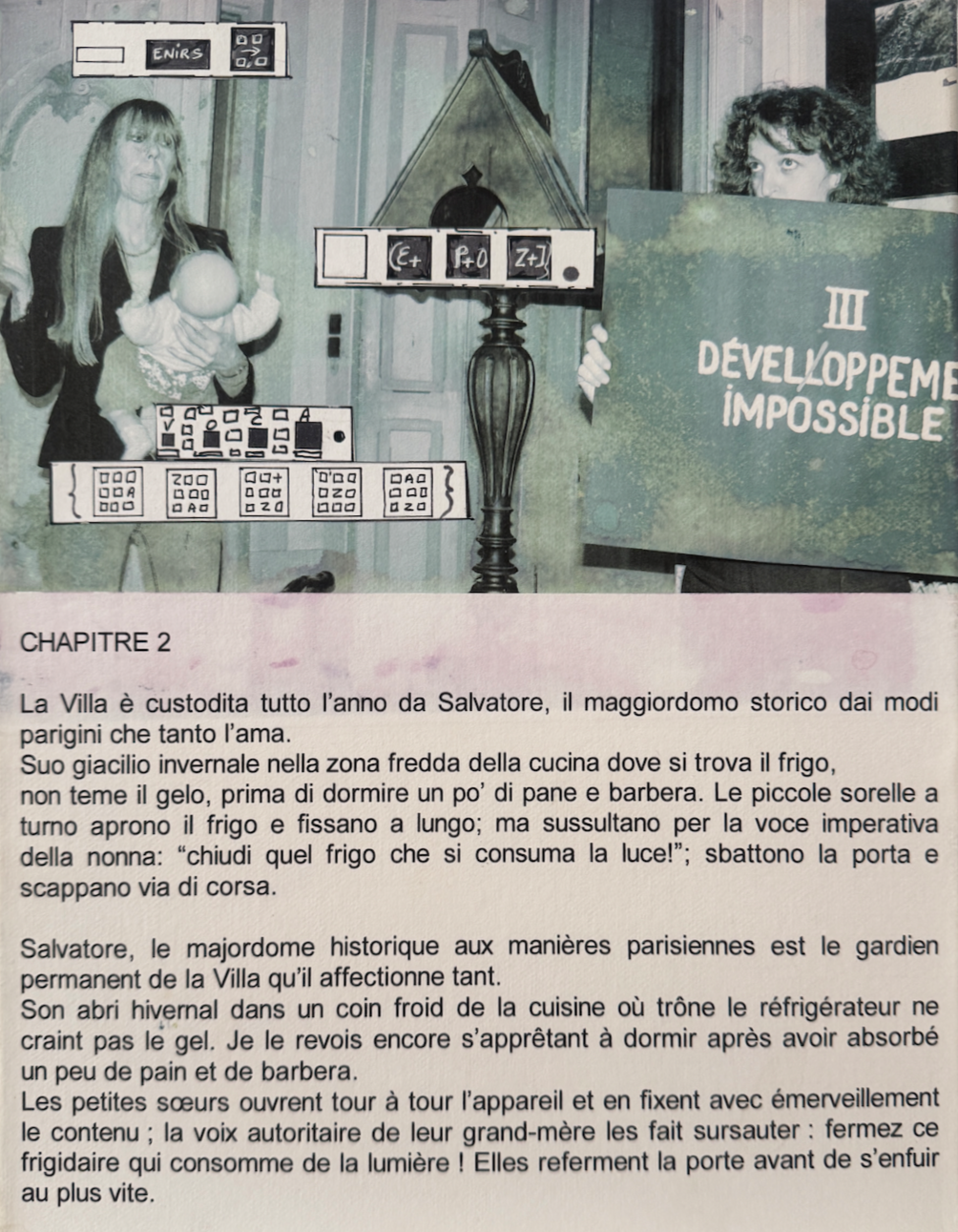
ANNE-CATHERINE CARON’S - Roman de la Villa Cernigliaro CHAPTER 2 of 14
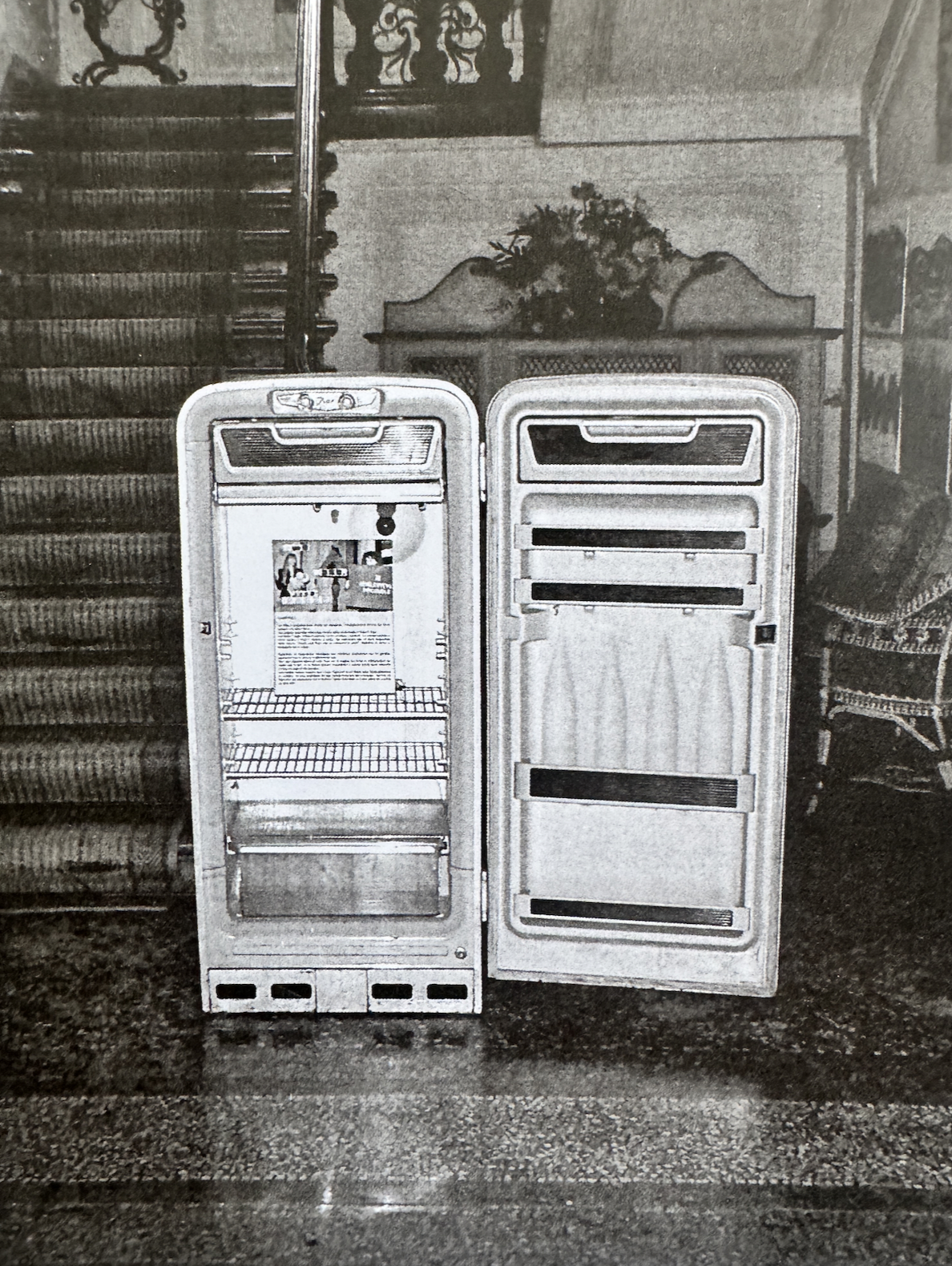
anne-catherine caron and ROLAND SABATIER installation at villa cernigliaro, Roman de la Villa Cernigliaro, chapters
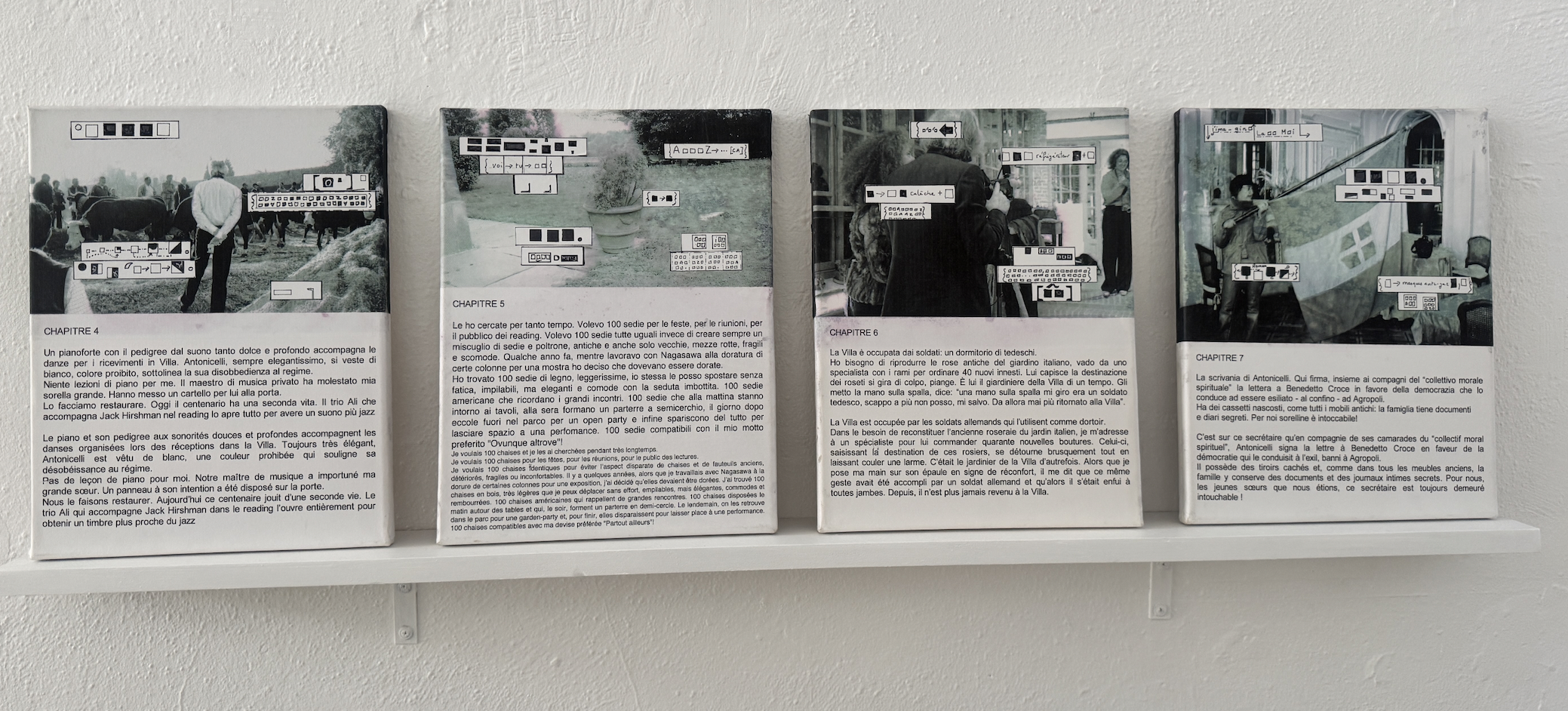
ANNE-CATHERINE CARON’S - Roman de la Villa Cernigliaro, chapters 4 to 7
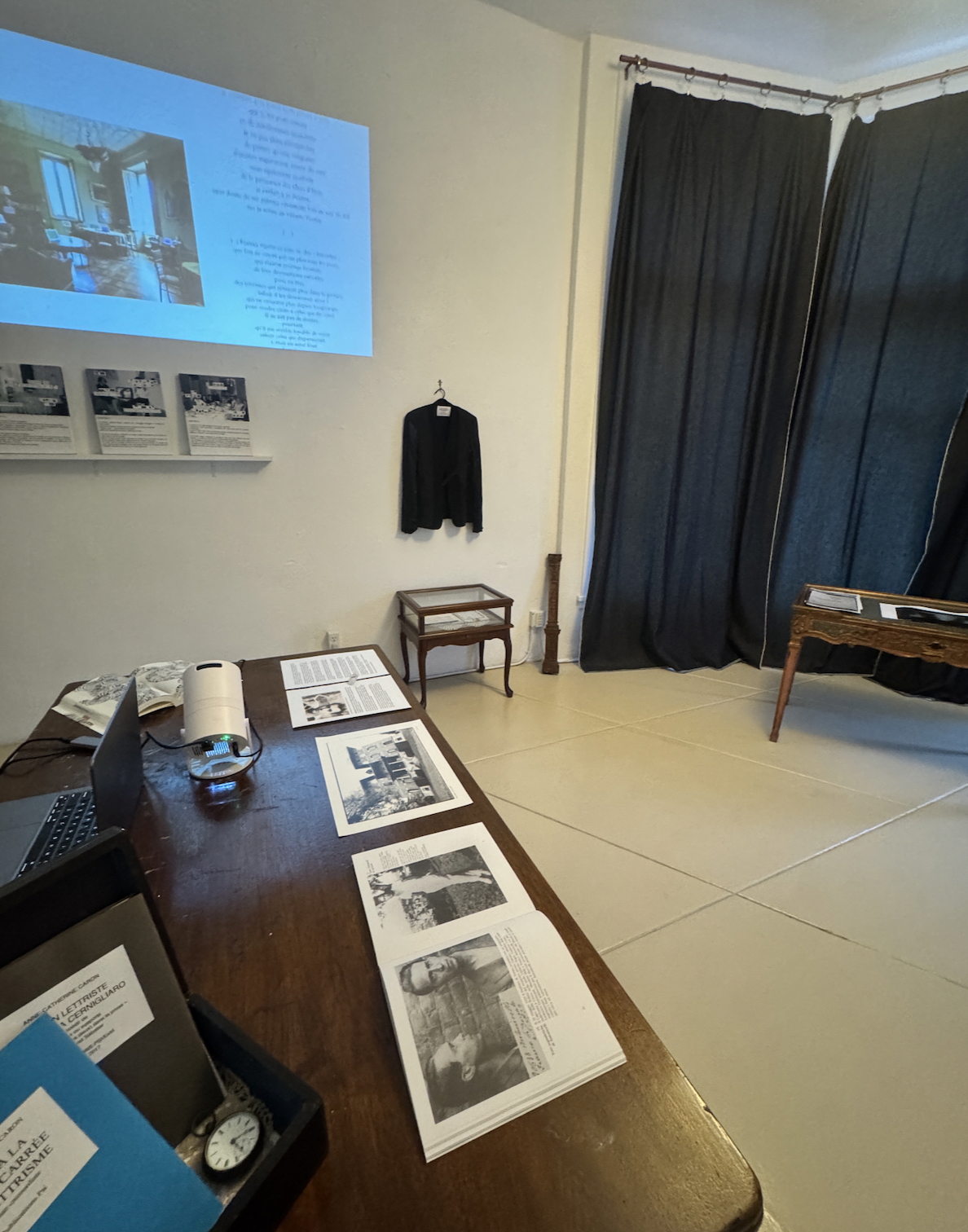
exhibition view
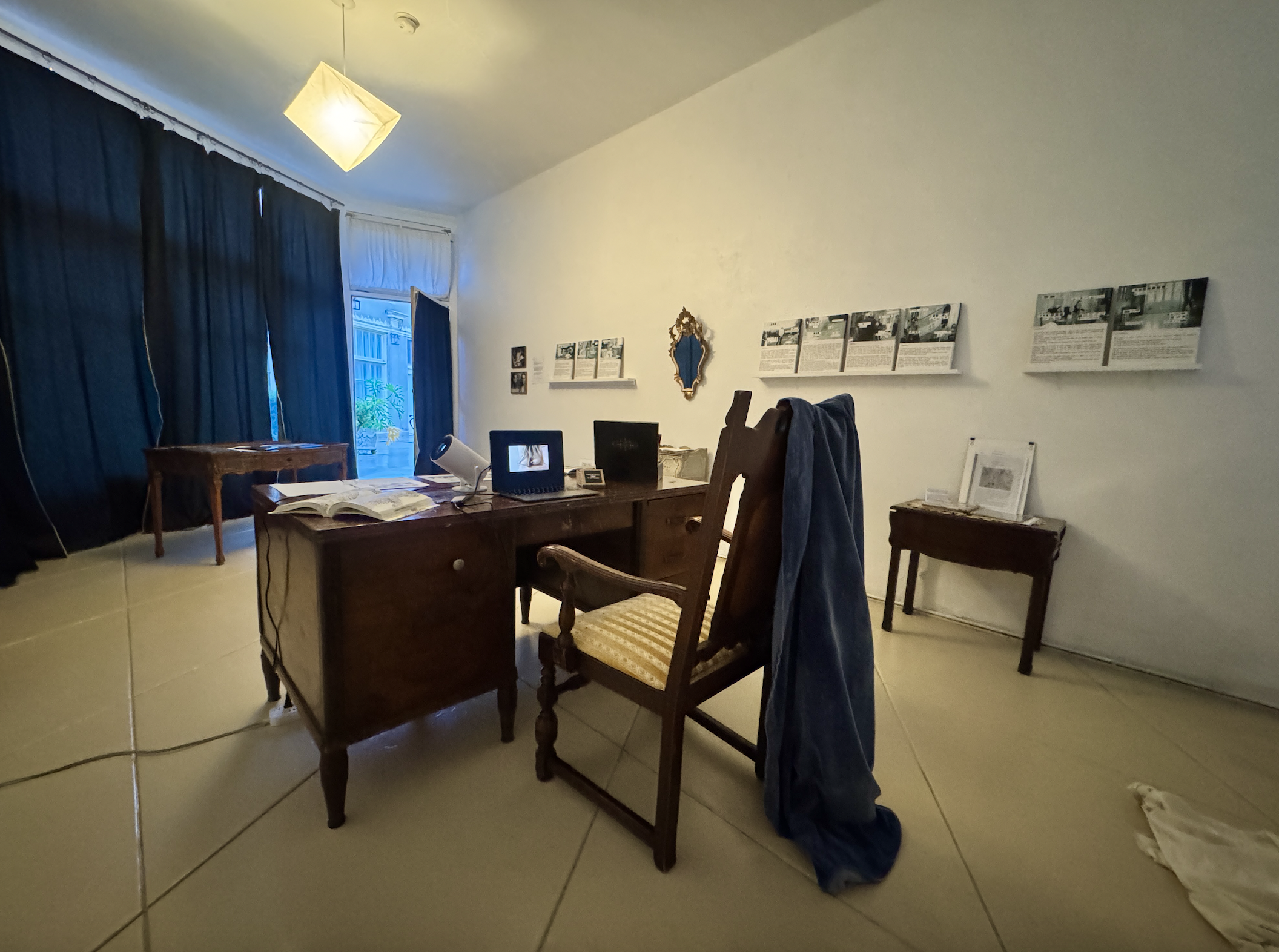
exhibition view
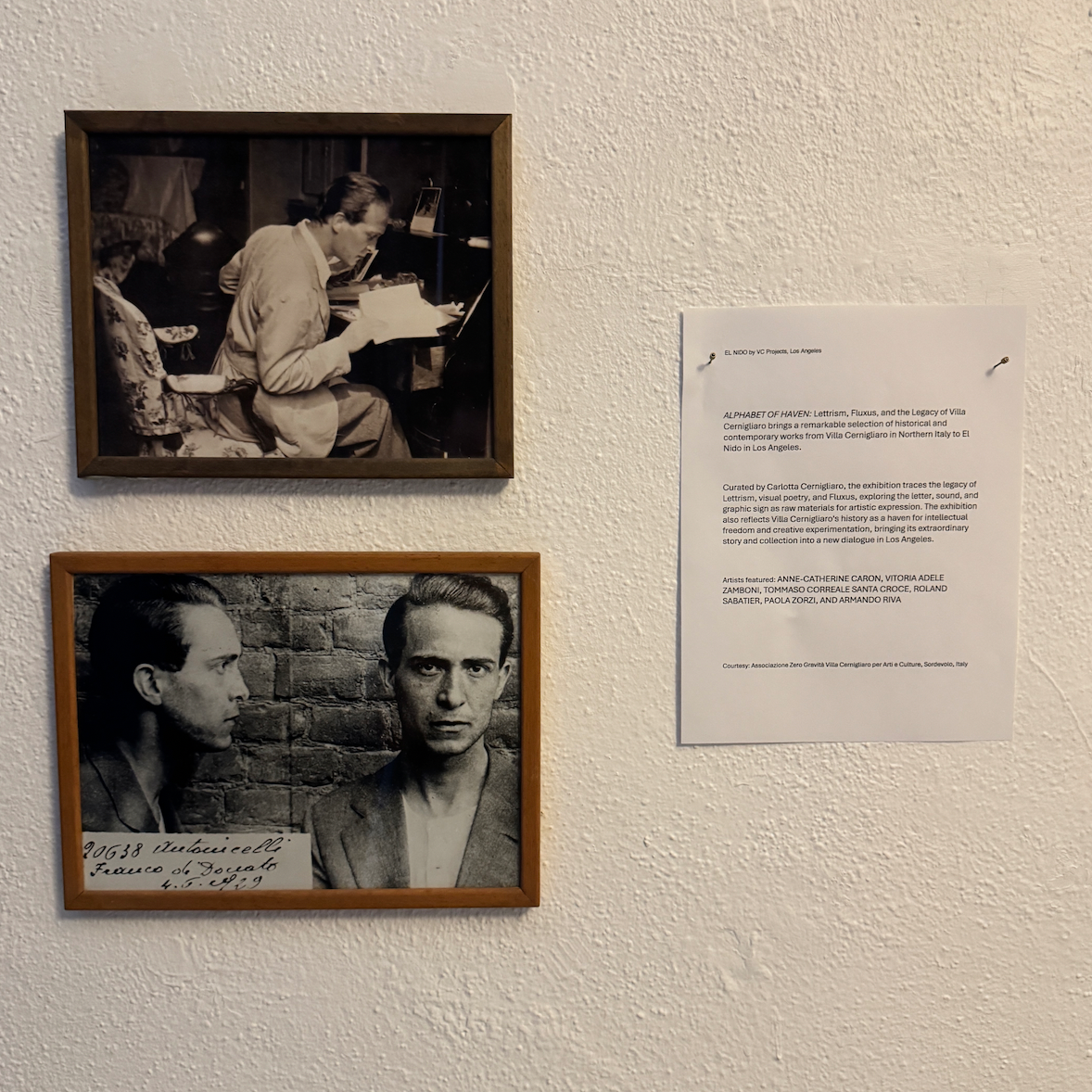
(translated from italian to english)
FRANCO Antonicelli at the desk, September 4, 1936
This is what Antonicelli wrote on the desk in his home in Sordevolo.
“only interiority can give us that richer sense of life that we call happiness.
In fact, only in progress do we feel life enriched and joyful and only in the fervor of the interior life do we recognize a progress.
His stay in Biella gave Antonicelli the opportunity to cultivate his reading and study of his most beloved authors with a tranquility reminiscent of his youth. Antonicelli had an absolute passion for Dante, the Stilnovo movement, and the classics, because they represent living life, real reality, always fresh, always accessible.” - archive COURTESY: ASSOCIAZIONE ZERO GRAVITÀ VILLA CERNIGLIARO PER ARTI E CULTURE, SORDEVOLO, ITALY
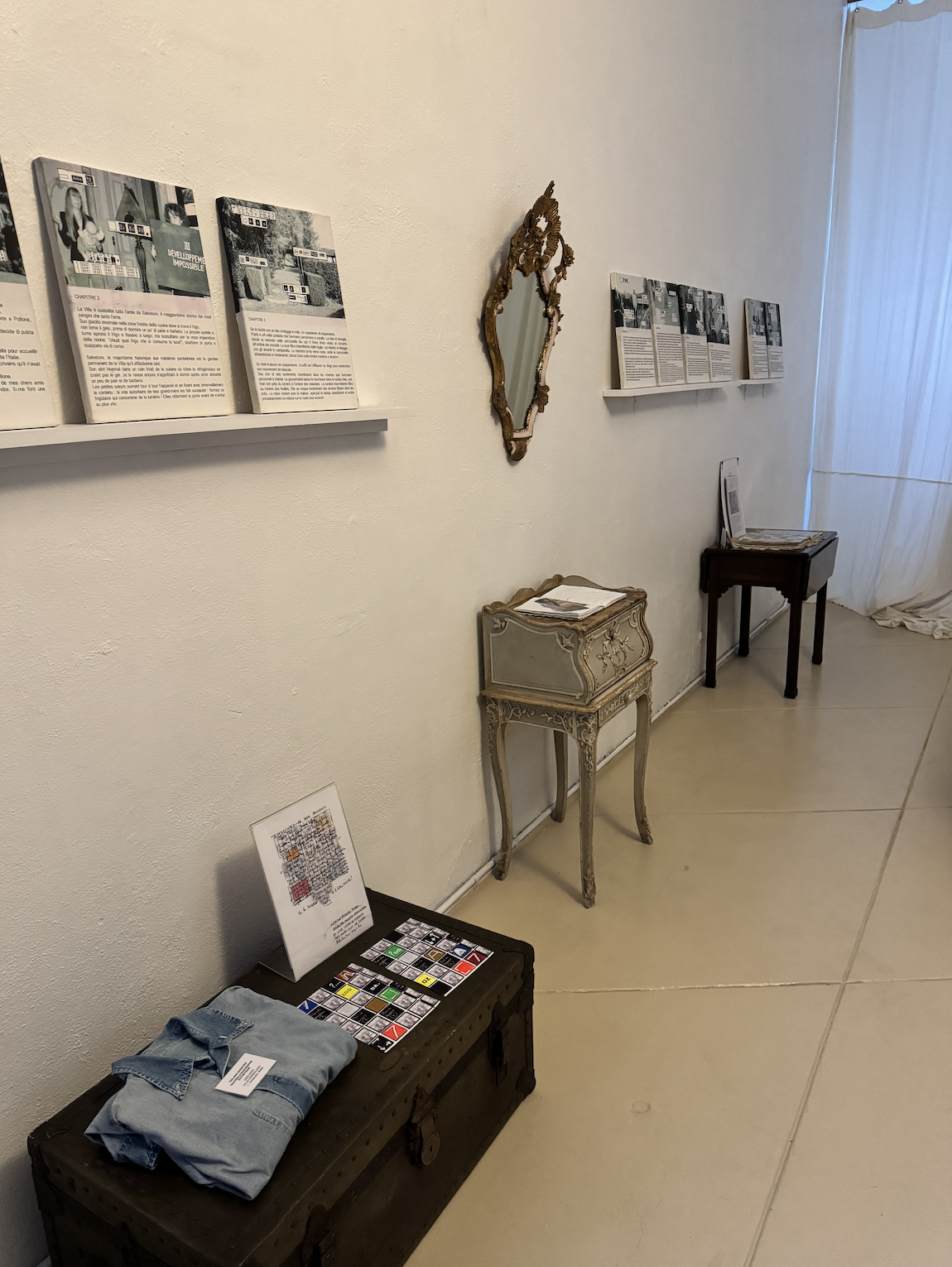
ROLAND SABATIER, Œuvre d'exstrophie esthétique AND ANNE-CATHERINE CARON, Imaginez ce que pensent
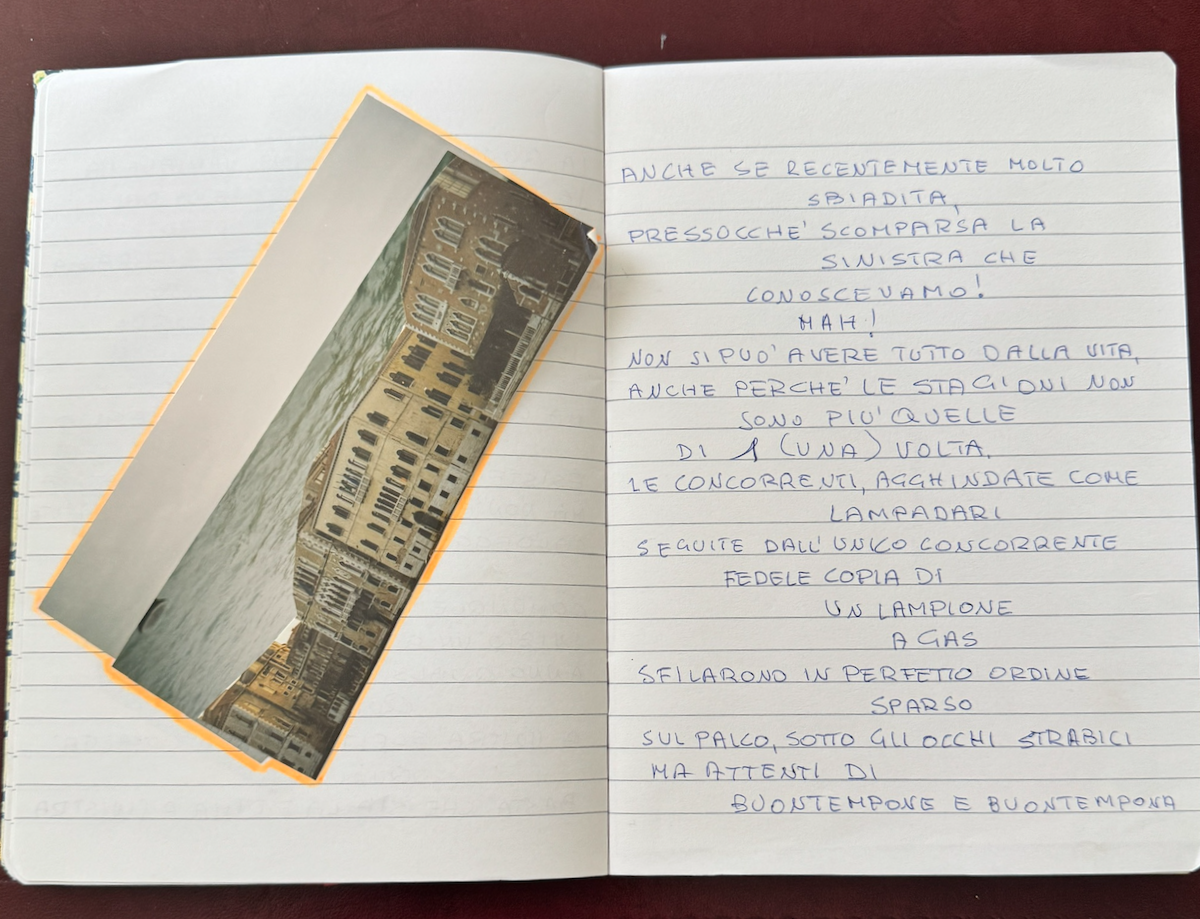
VITTORIA ADELE ZAMBONI, Venezia Artist's book of short stories illustrated with collages
anne-catherine caron and ROLAND SABATIER installation at villa cernigliaro, Roman de la Villa Cernigliaro, chapters
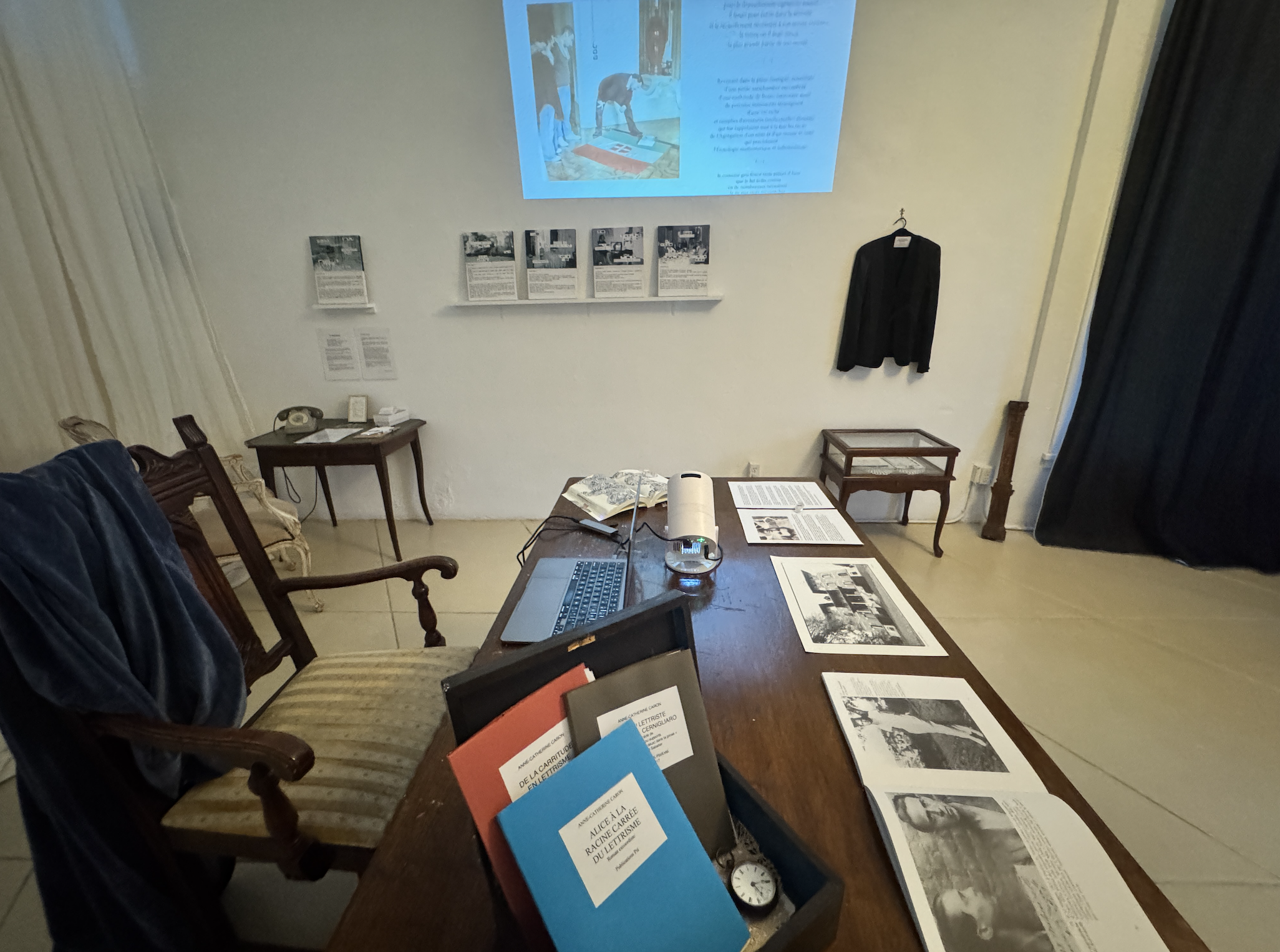
exhibition view
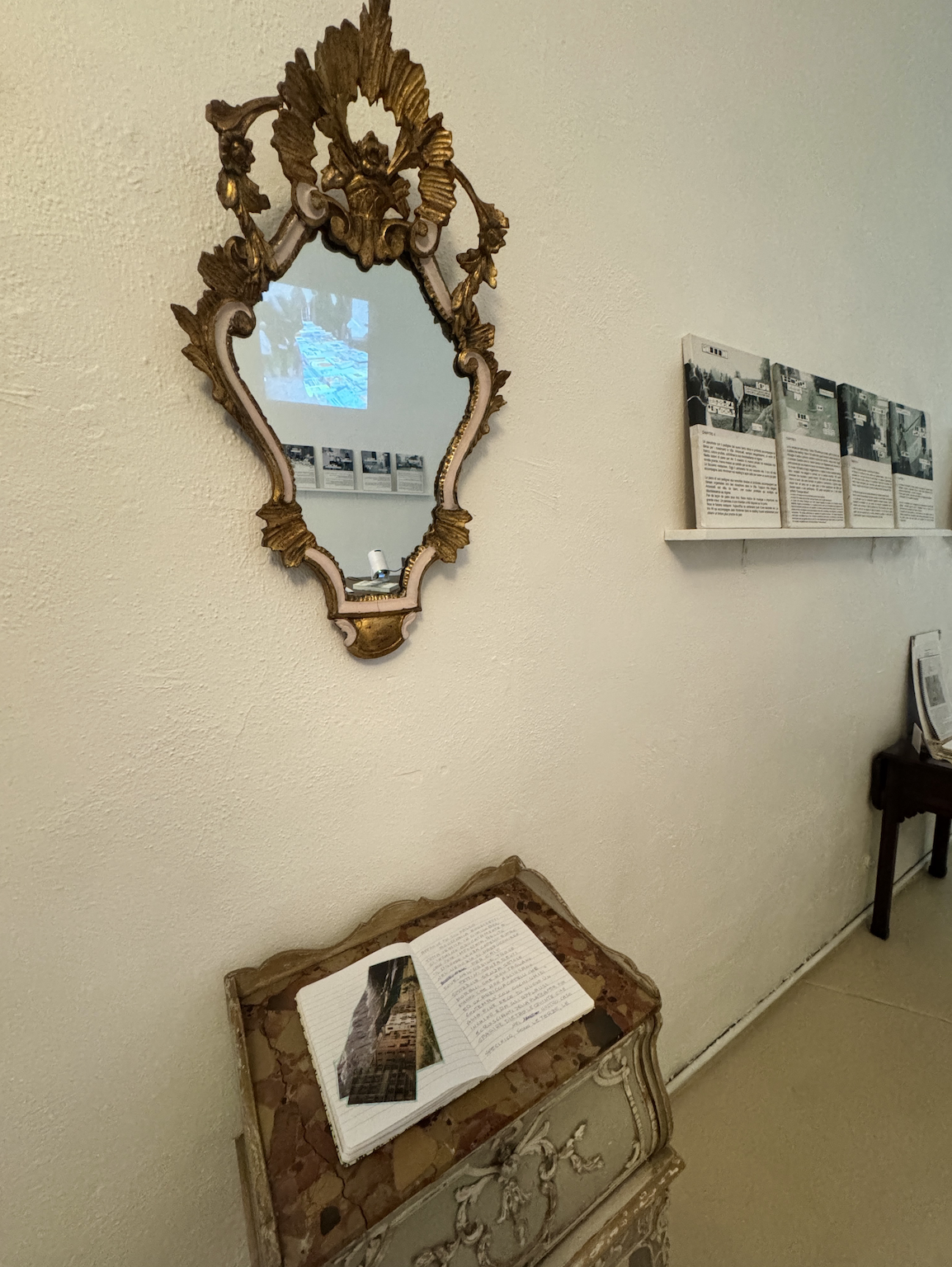
VITTORIA ADELE ZAMBONI, Venezia Artist's book of short stories, illustrated with collages
Placed on the console: “I like very much the grotesque and the absurd side of life and I like joking with the words.
For what concerns my collages they ‘come’ to my mind by themselves: not effort at all and I don’t care about the result because they are as they are.”
Vittorina Adele Zamboni
Sordevolo, November 5, 2016
Through a process she calls “Ma-nipolazione” (manipulation), Zamboni collects and reworks materials from everyday urban life—packaging, wire, plastic fragments, foam rubber, rope, photocopies, and magazine illustrations. Objects ordinarily considered waste are given new life through compositions that reveal unexpected beauty, visual nuance, and formal elegance.
Alongside her visual practice, Zamboni has developed a body of surreal and paradoxical short stories. Characterized by irony, playful language, and a fascination with the absurd, her writing recalls the Theatre of the Absurd of Eugène Ionesco.
Across both her visual and literary work, Zamboni approaches the ordinary with humor and imagination, allowing unexpected associations to emerge through the manipulation of materials and words.
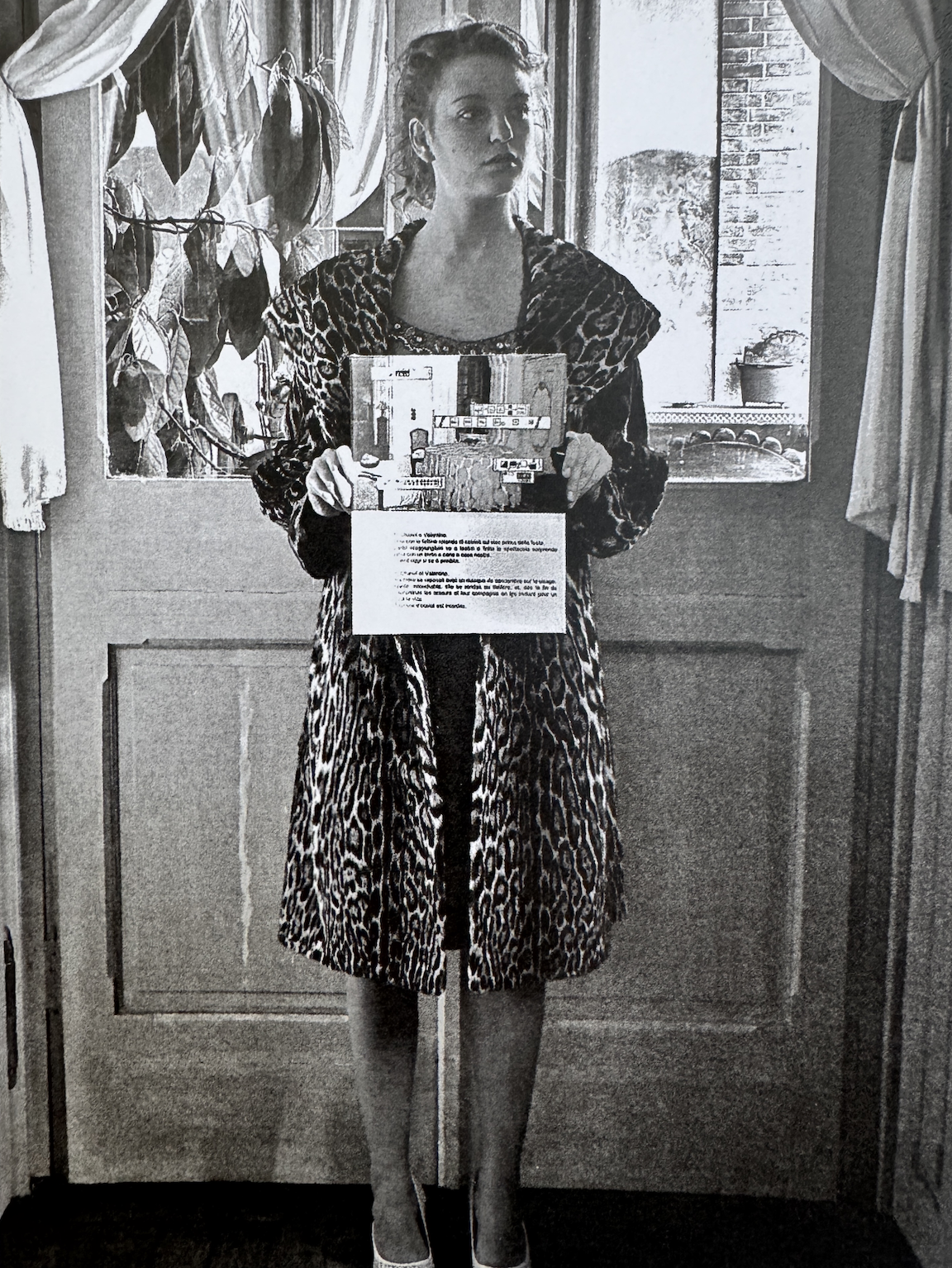
anne-catherine caron AND ROLAND SABATIER installation at villa cernigliaro, Roman de la Villa Cernigliaro, chapters
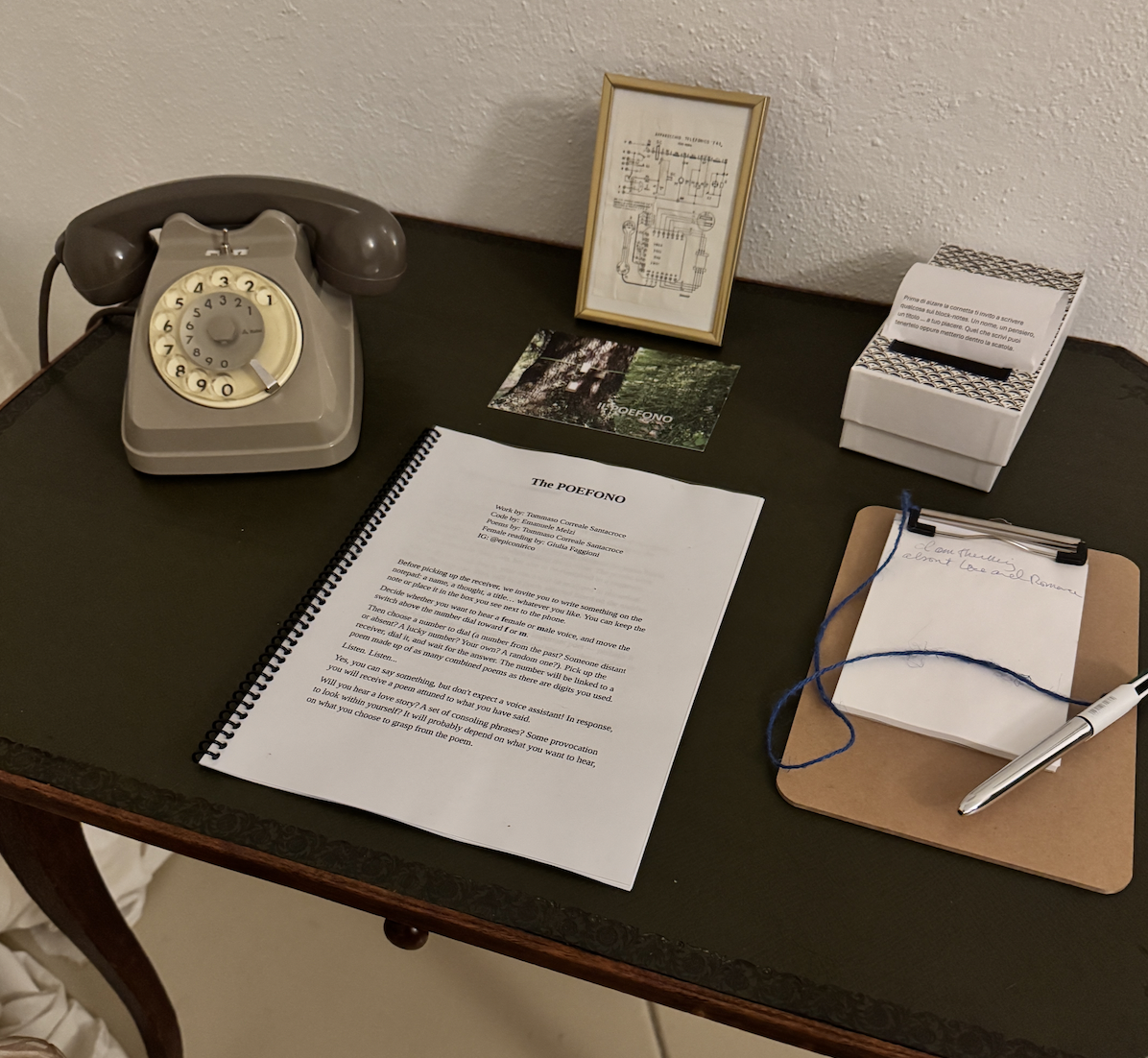
TOMMASO CORREALE SANTACROCE, Il Poefono
Tommaso Correale Santacroce is a multimedia artist, writer, theatre practitioner, and filmmaker whose work brings language into dialogue with technology and audience participation. Drawing on extensive experience as a playwright, director, actor, and puppeteer, he creates interactive environments in which words become spatial, sonic, and performative experiences. Projects include La casa delle Parole Mobili, developed with Beniamino Sidoti, Il Poeta Oracolo, and Sette Sirene. He co-founded the cultural association 2lifeCast with Stefano Lazzari, developing multimedia projects concerned with social and ethical questions and the open exchange of knowledge. (fondazionebassetti.org)
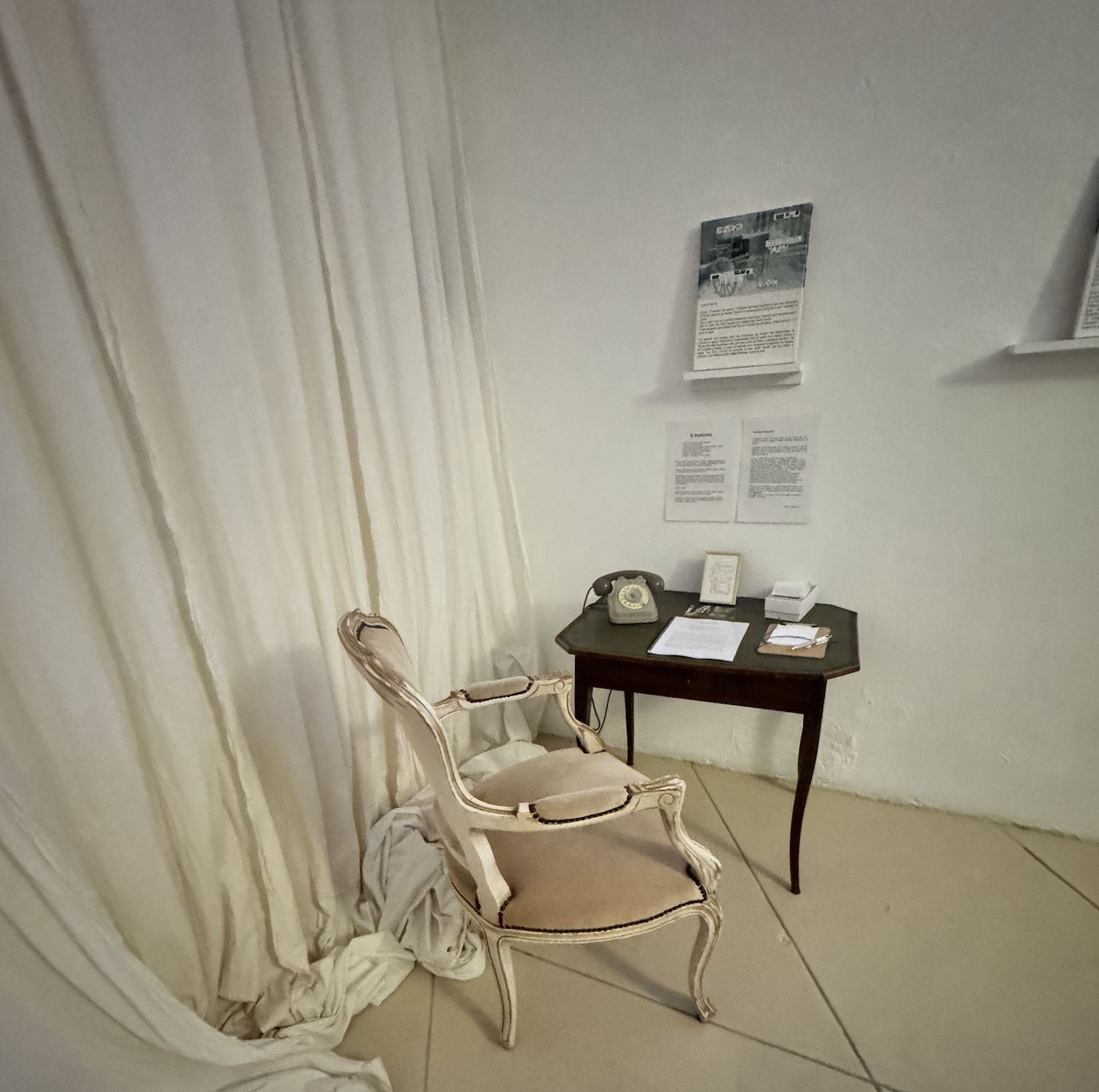
TOMMASO CORREALE SANTACROCE, Il Poefono
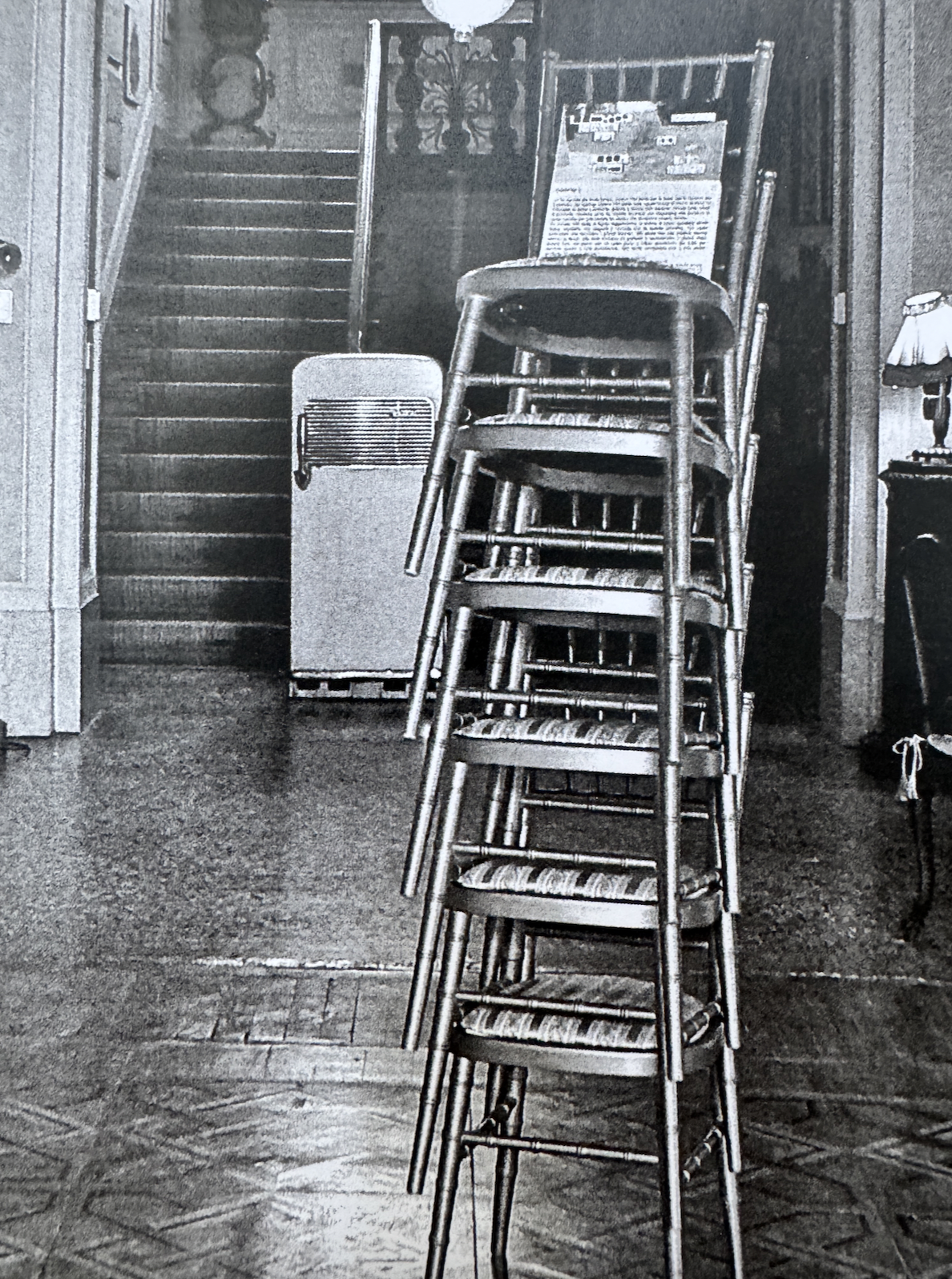
anne-catherine caron AND ROLAND SABATIER installation at villa cernigliaro, Roman de la Villa Cernigliaro, chapters
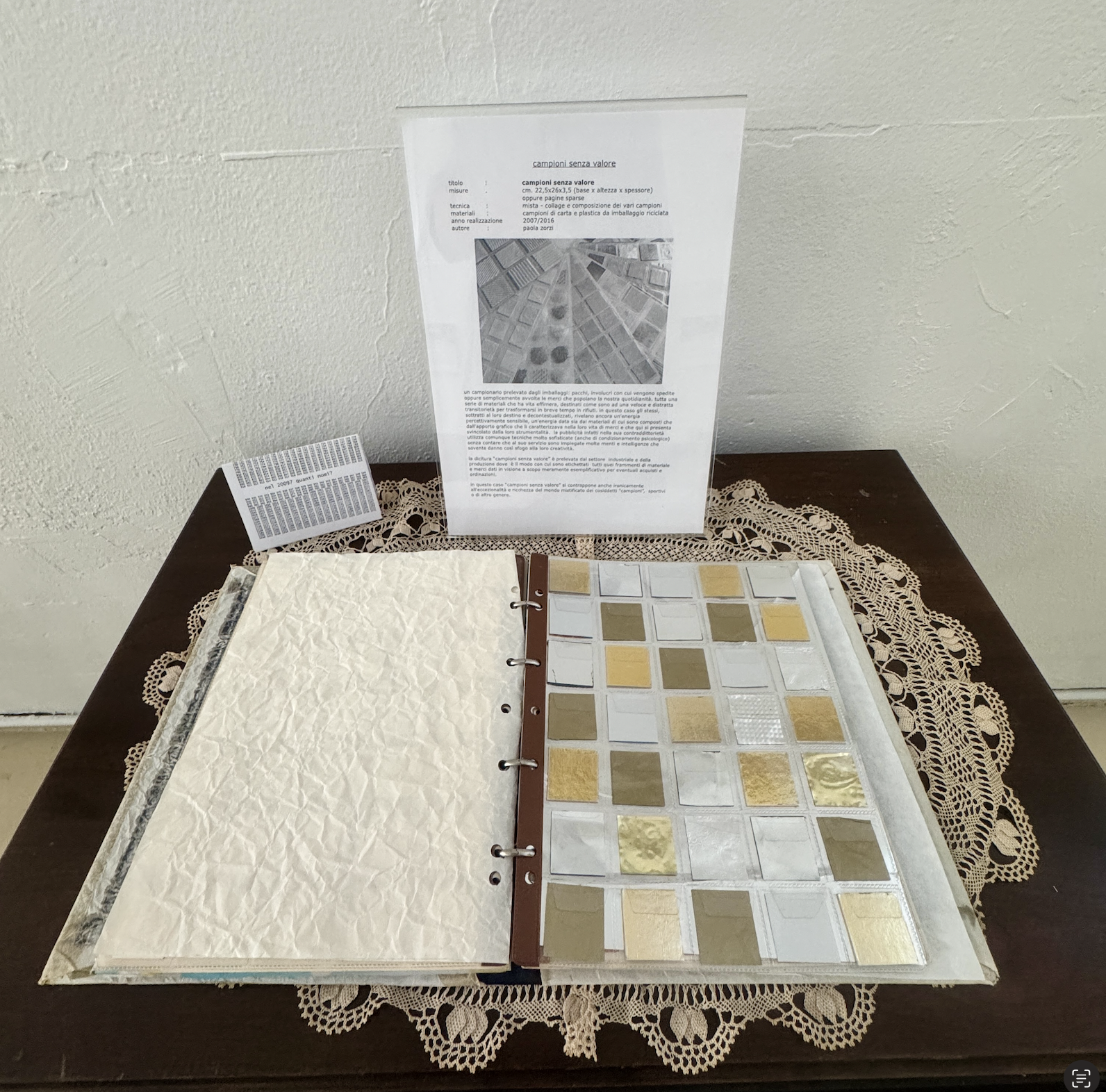
PAOLA ZORZI Campioni senza valore, (WORTHLESS SAMPLES)
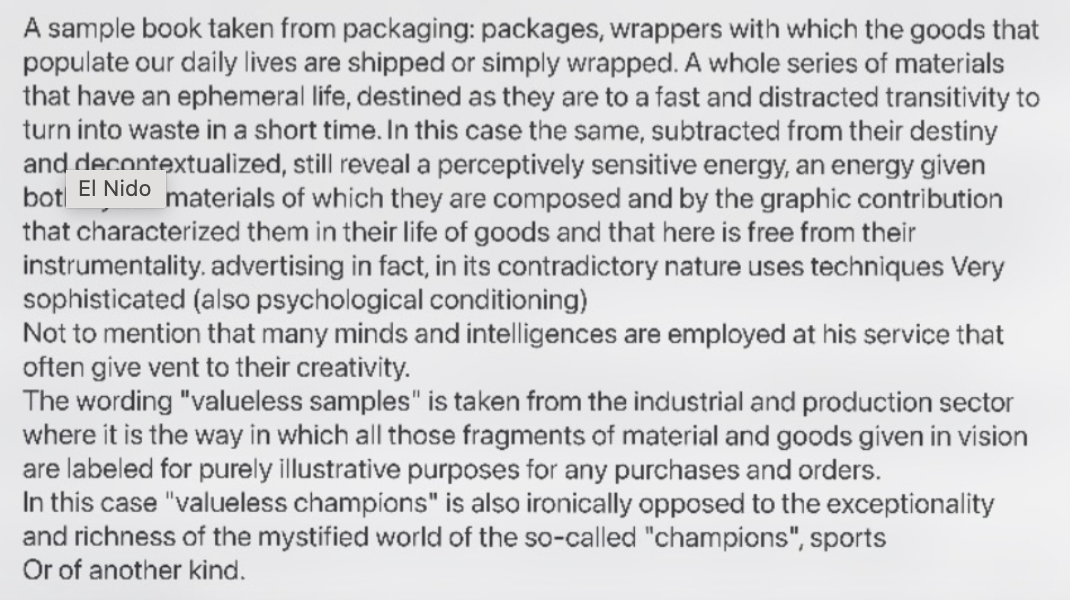
PAOLA ZORZI (translated text from italian to english) Campioni senza valore, (WORTHLESS SAMPLES)
Paola Zorzi is an Italian artist and curator active in contemporary art since 1991. Informed by Constructivism, European avant-garde traditions, and critical theory, her practice encompasses geometric painting, photography, installation, writing, and acoustic-visual poetry. Her work investigates relationships between perception, language, and material structures, while addressing political, social, and environmental questions. She has participated in international Constructivist and MADI networks and developed interactive projects connecting physical environments with digital spaces. Her longstanding collaboration with Carlotta Cernigliaro includes exhibitions and cultural projects at Villa Cernigliaro in Sordevolo. (ilgiornale.ch, ecodibergamo.it, parchiletterari.com)
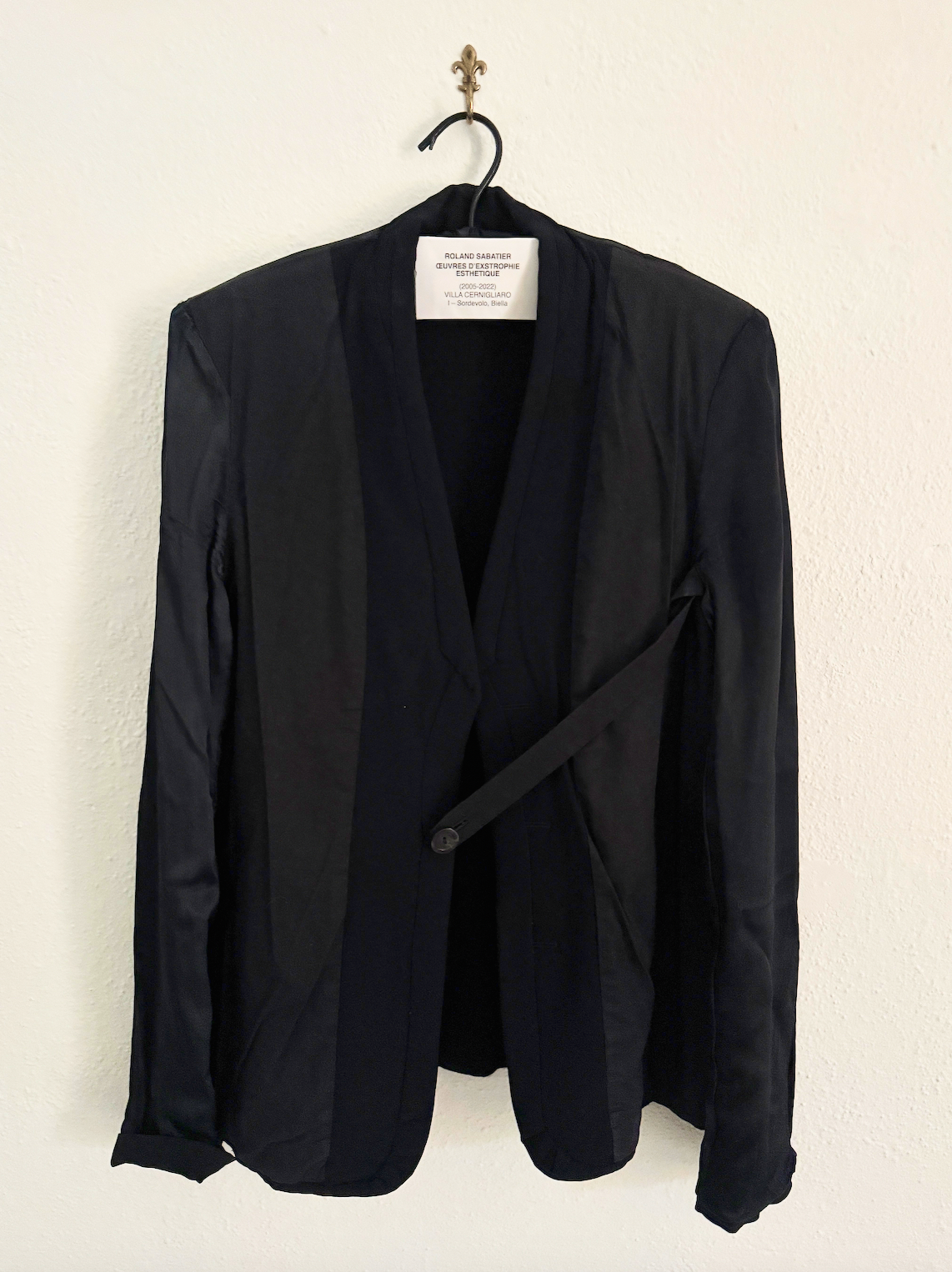
ROLAND SABATIER, Œuvre d'exstrophie esthétique
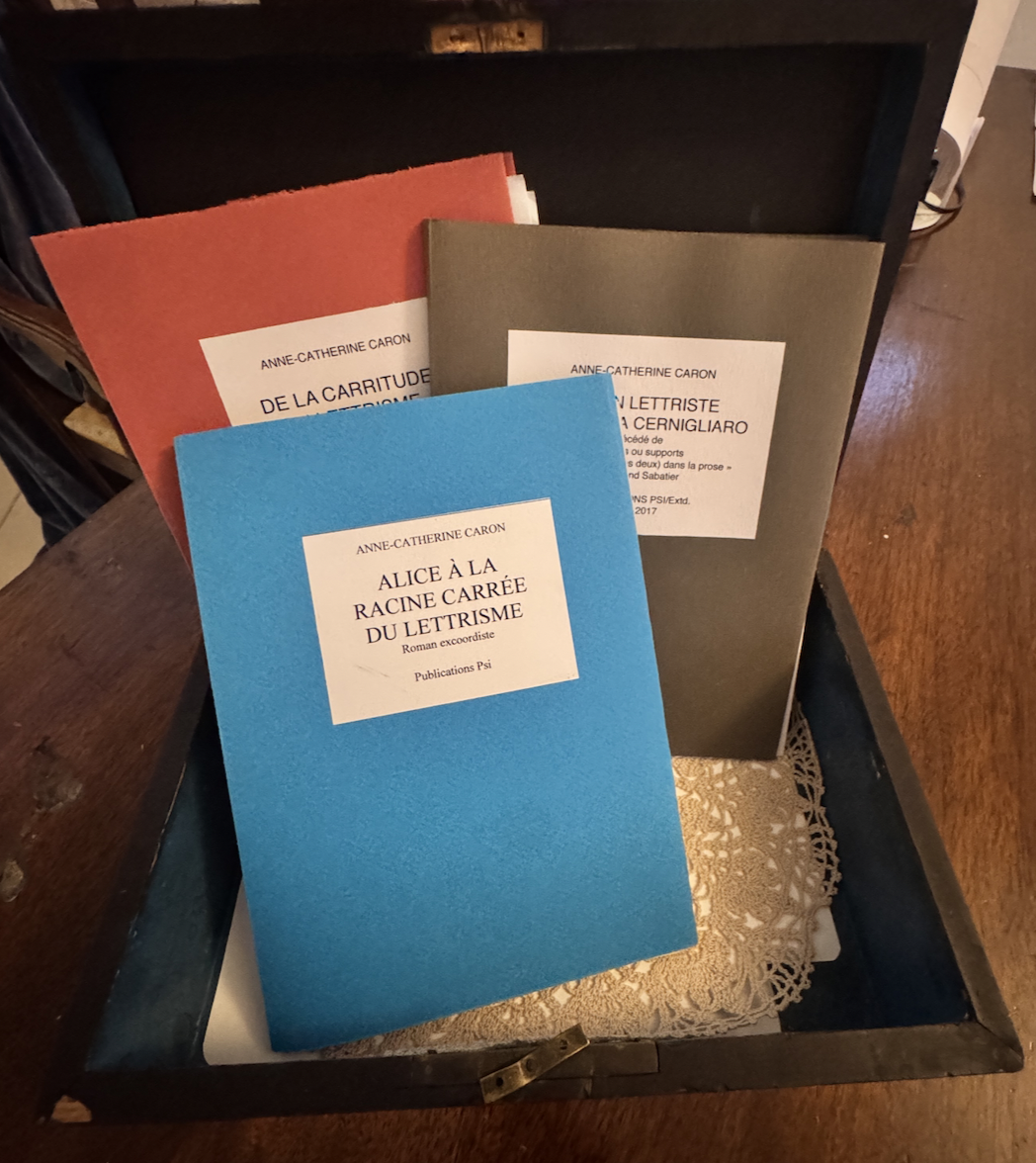
PSI PUBLICATIONS Les Editions - ANNE-CATHERINE CARON AND ROLAND SABITIER
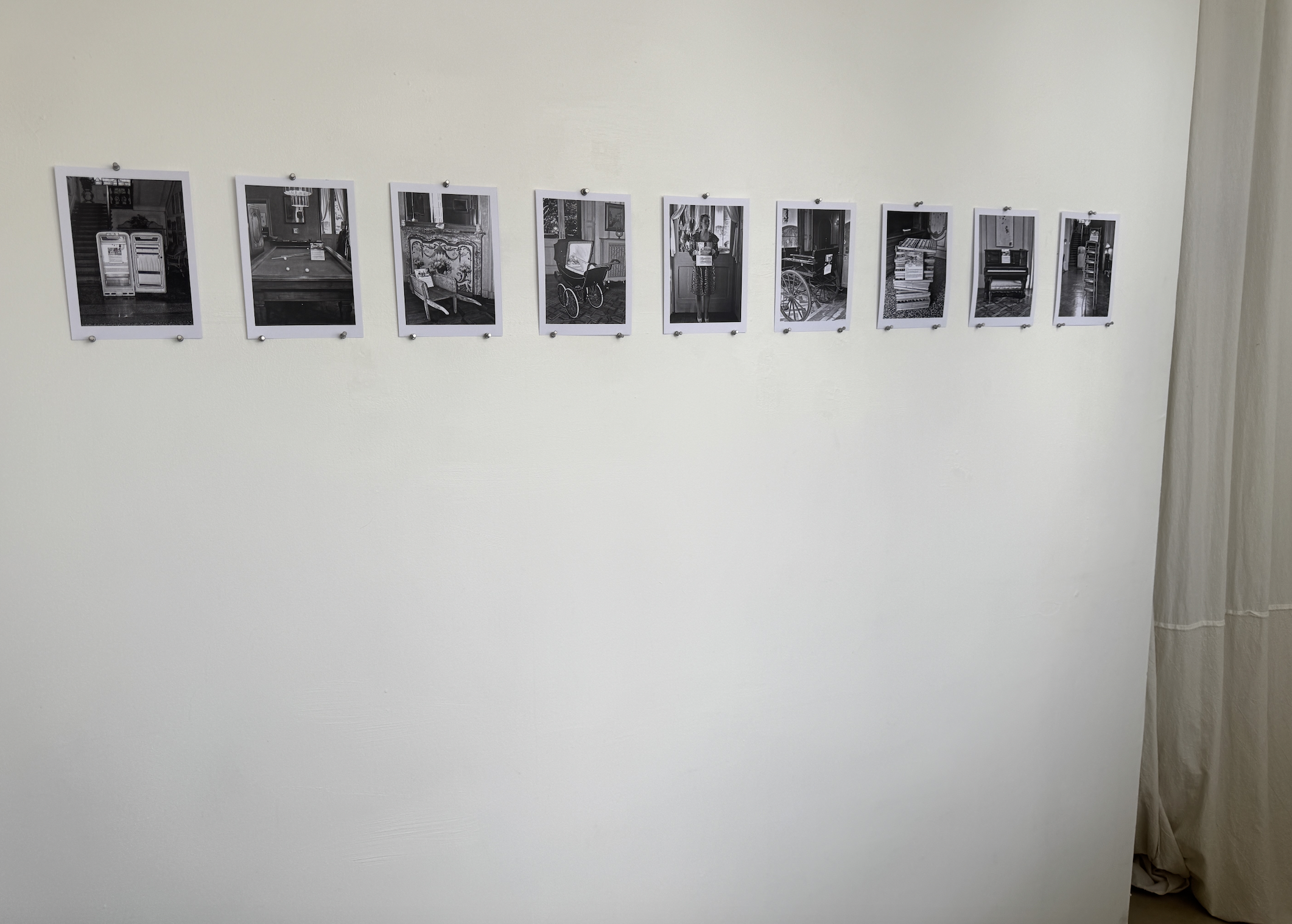
photos of installation by anne-catherine caron and roland sabitier at villa cernigliaro - Roman de la Villa Cernigliaro CHAPTERS
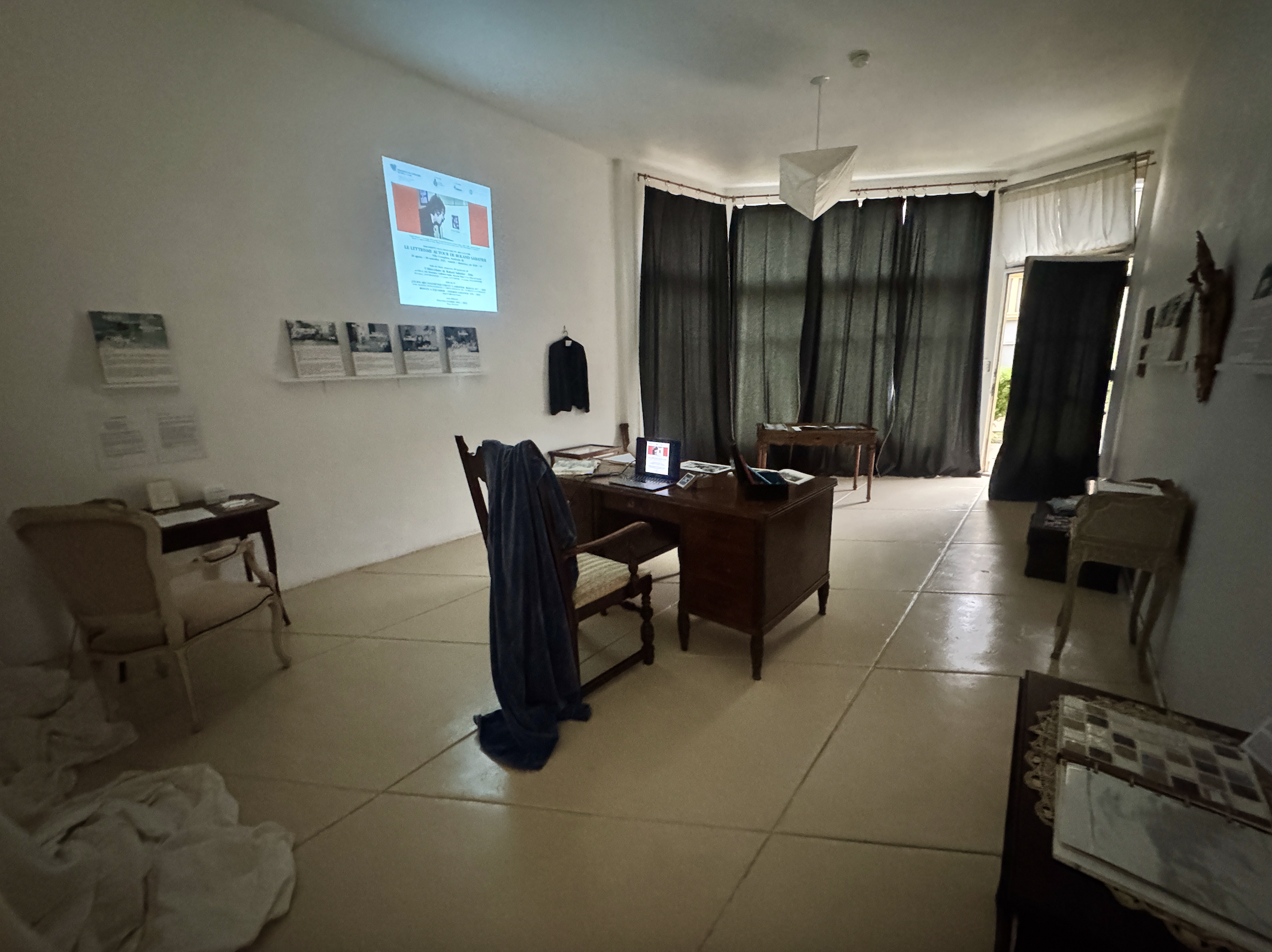
exhibition view
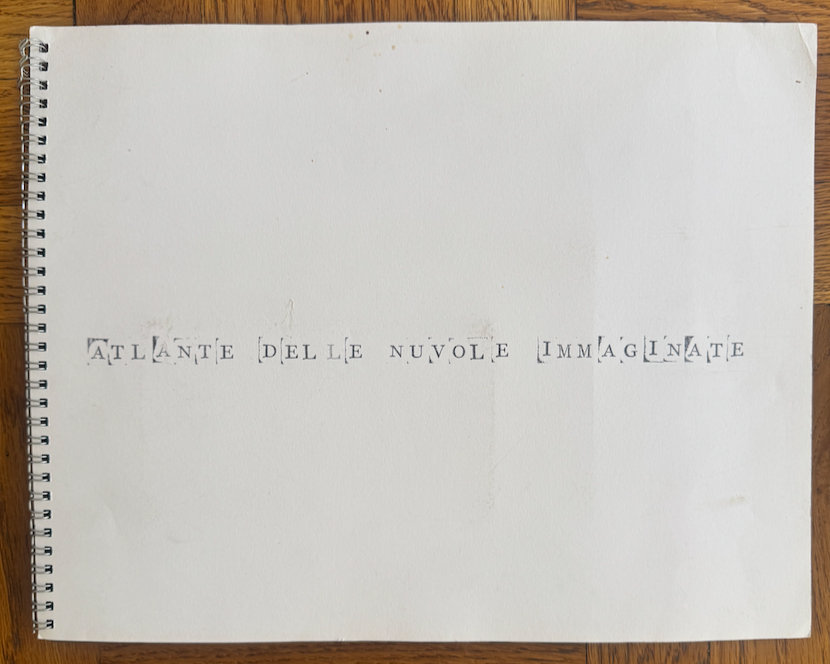
armando riva, Atlante delle nuvole, CLOUD ATLAS, (ARTIST BOOK)
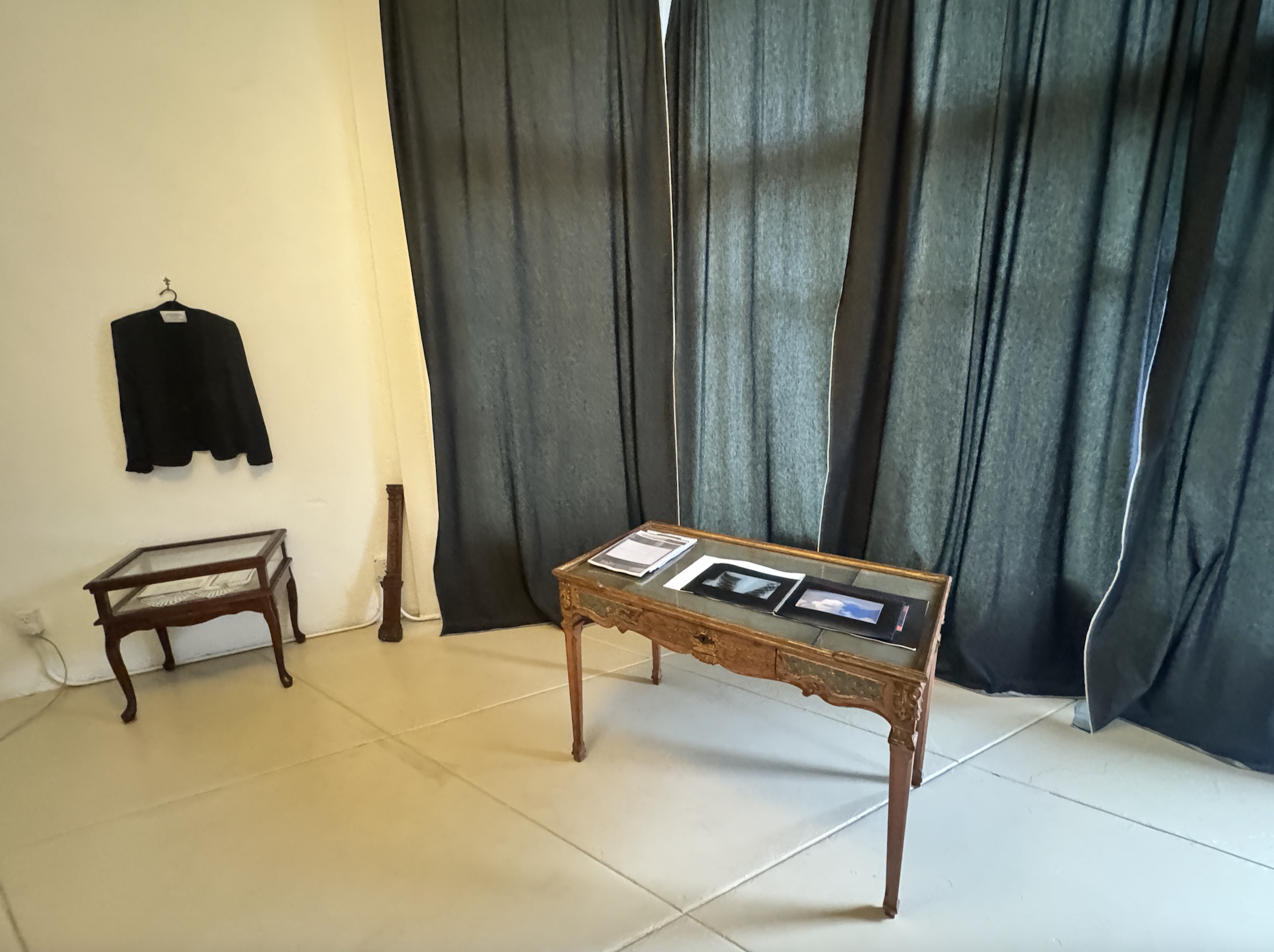
exhibition view
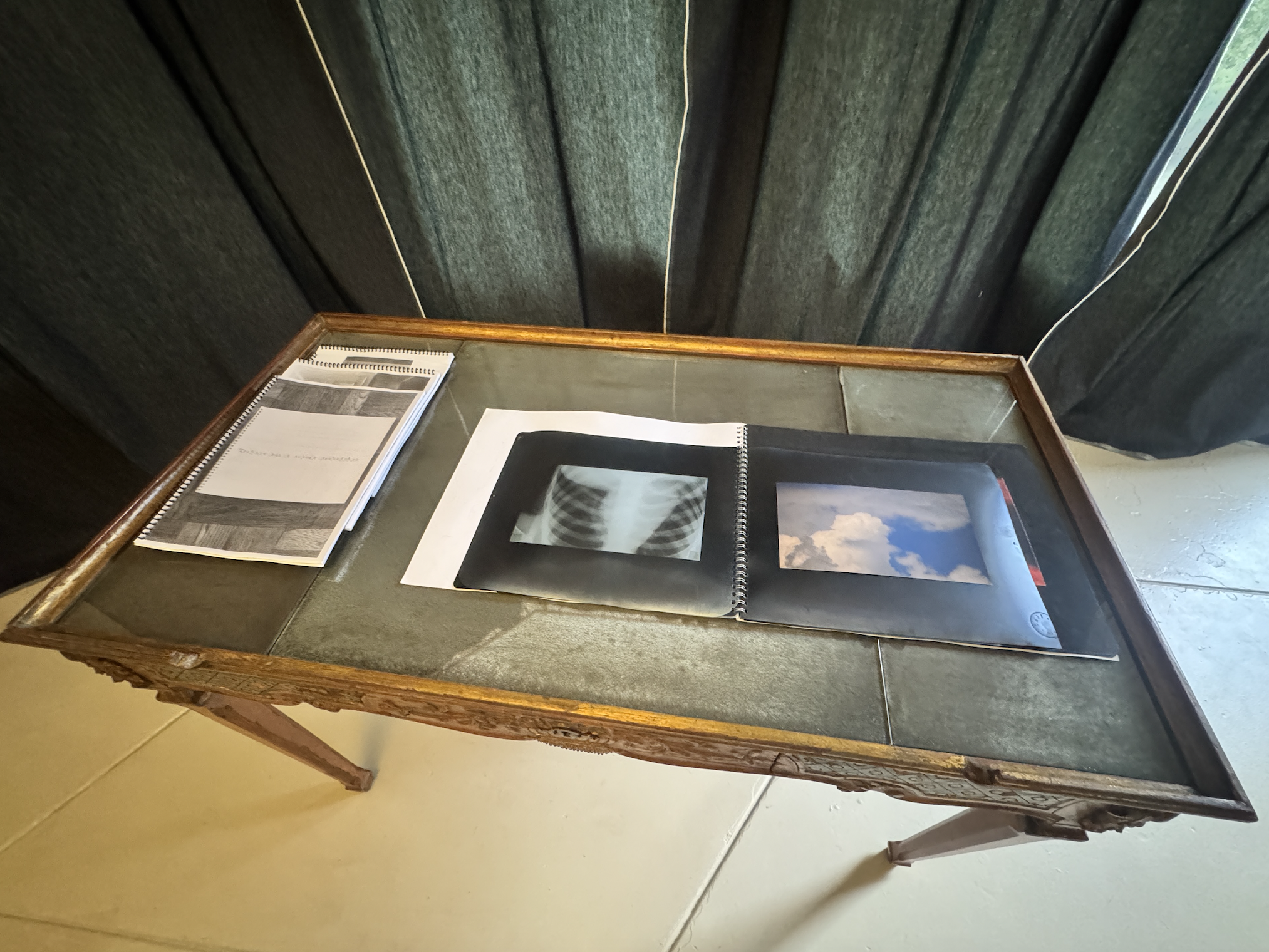
armando riva, Atlante delle nuvole, CLOUD ATLAS (ARTIST BOOK)
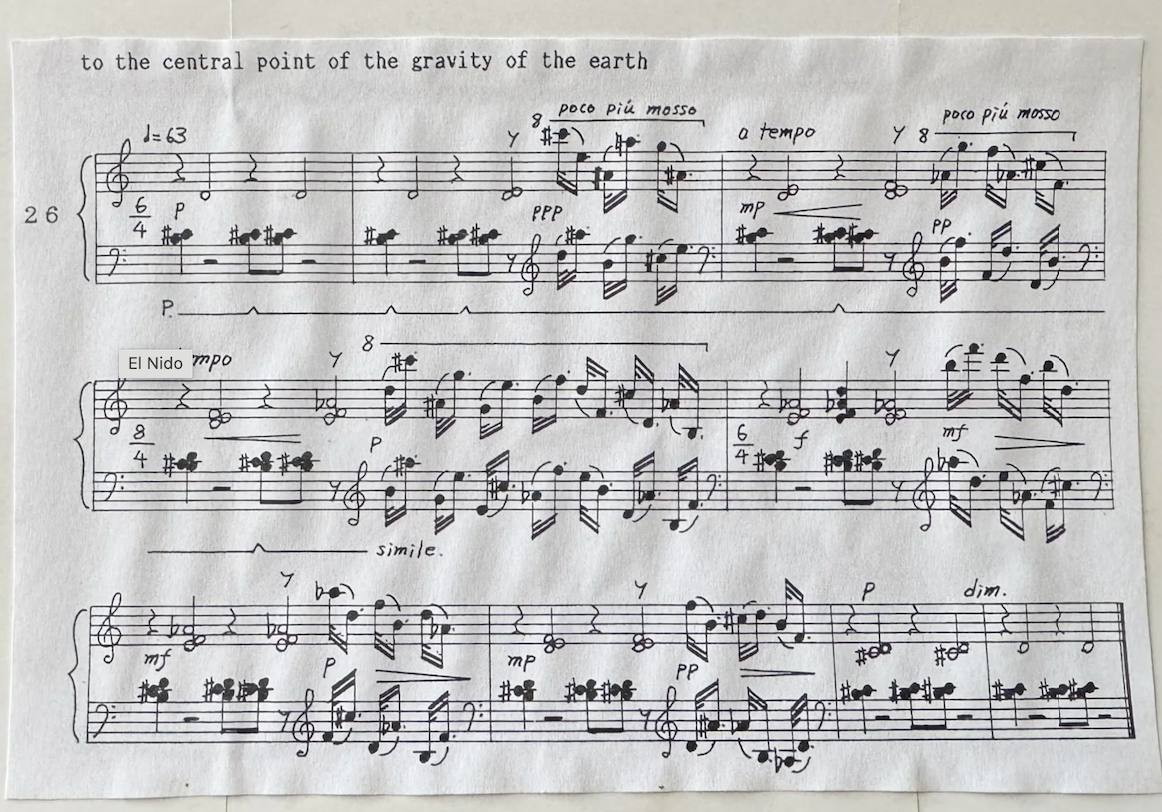
john cage, SCORE, COURTESY OF VILLA CERNIGLIARO, COURTESY: ASSOCIAZIONE ZERO GRAVITÀ VILLA CERNIGLIARO PER ARTI E CULTURE, SORDEVOLO, ITALY
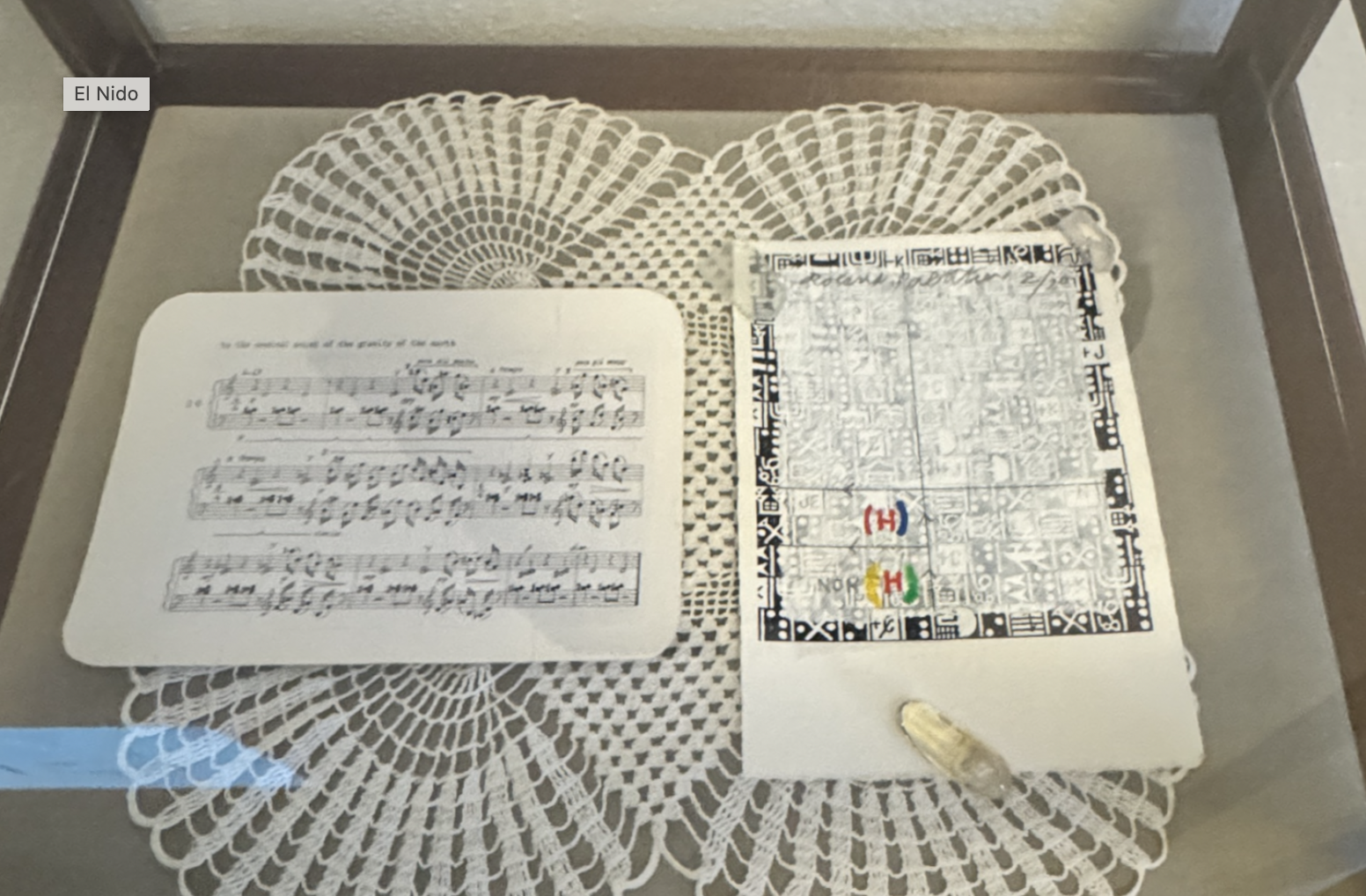
john cage score, and collaborate work on paper by anne-catherine caron & Roland SABATIER
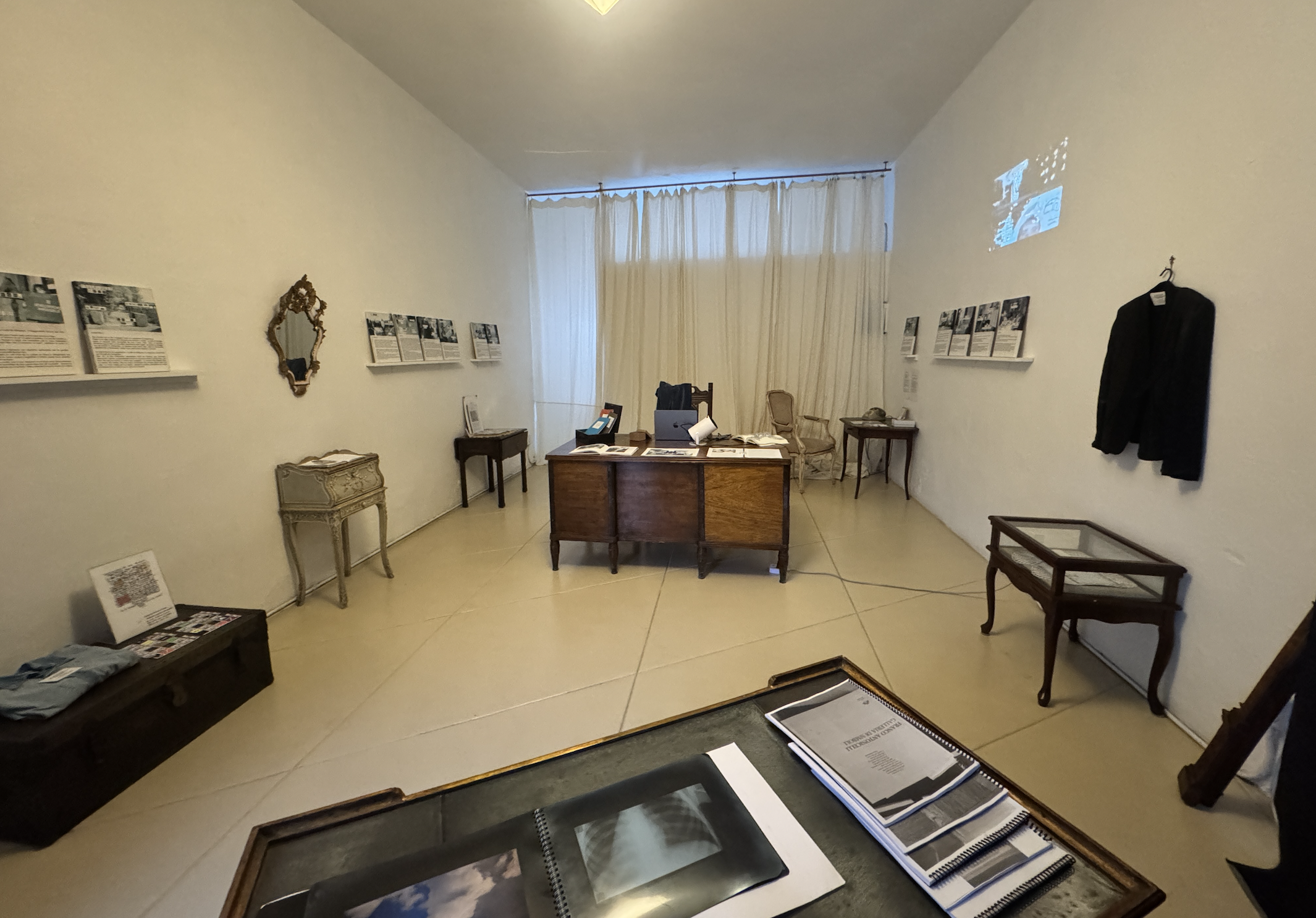
exhibition view
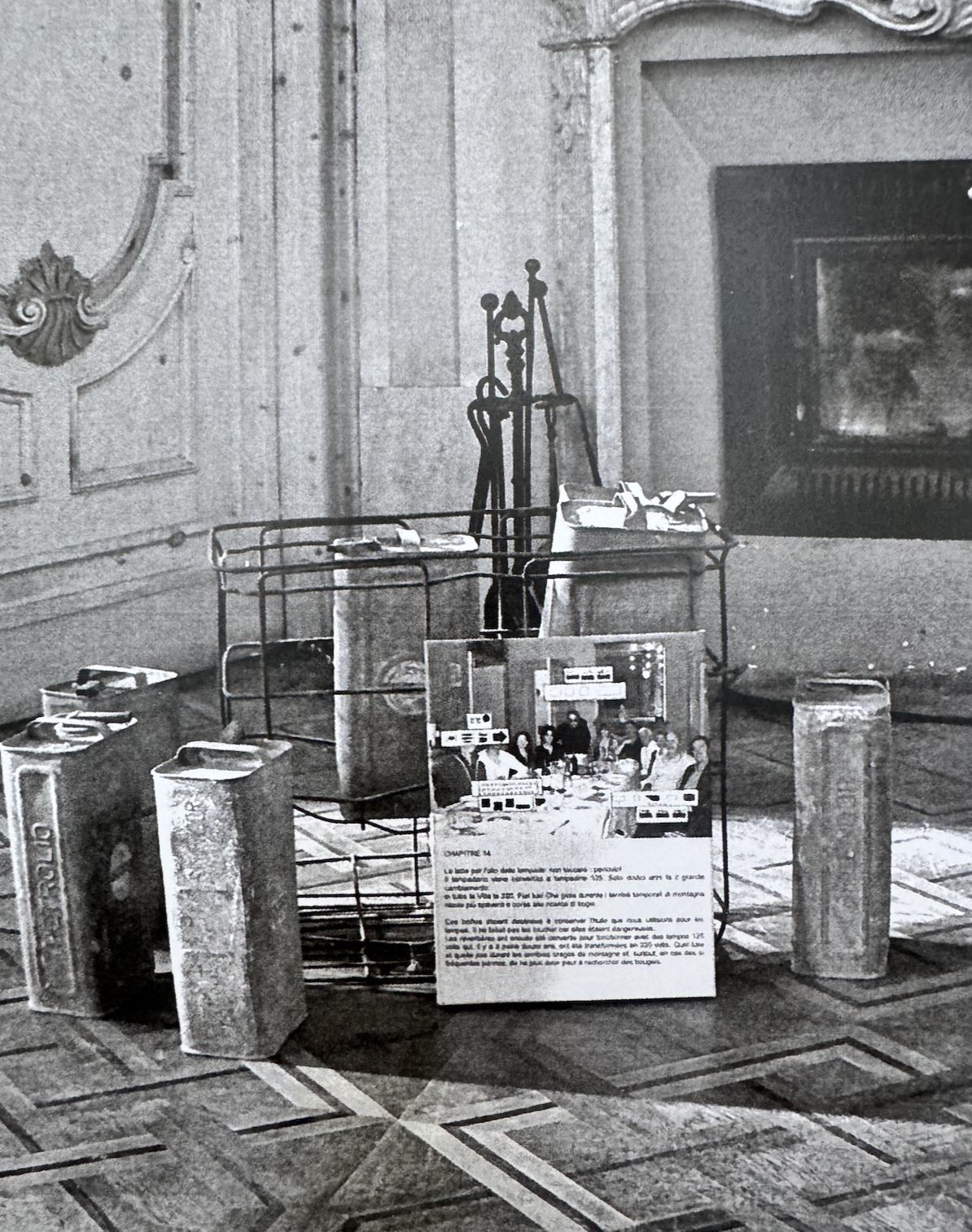
ANNE-CATHERINE CARON’S - Roman de la Villa Cernigliaro CHAPTER 14
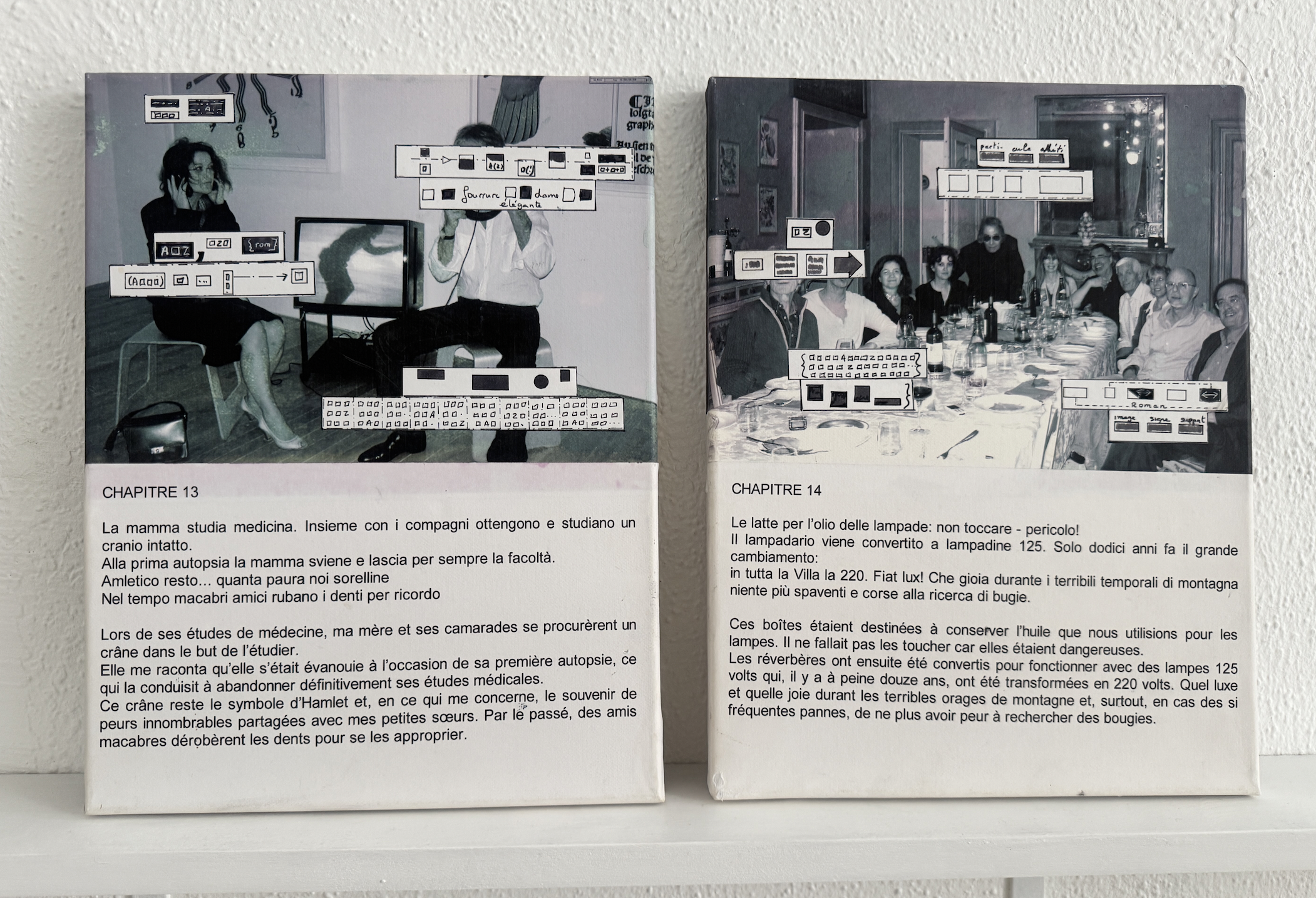
ANNE-CATHERINE CARON’S - Roman de la Villa Cernigliaro, CHAPTER 13 AND 14
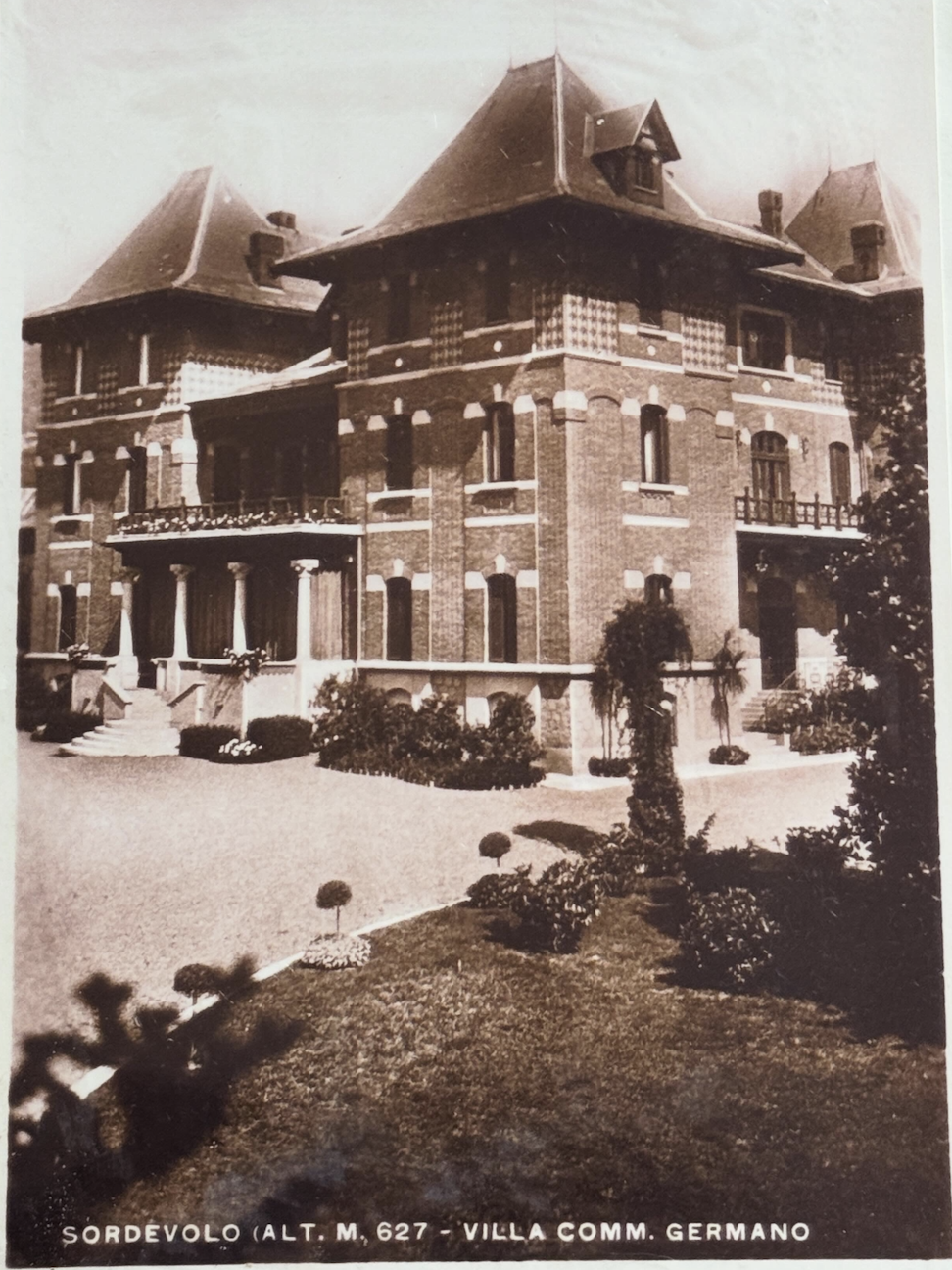
archive COURTESY: ASSOCIAZIONE ZERO GRAVITÀ VILLA CERNIGLIARO PER ARTI E CULTURE, SORDEVOLO, ITALY
Artist biographies
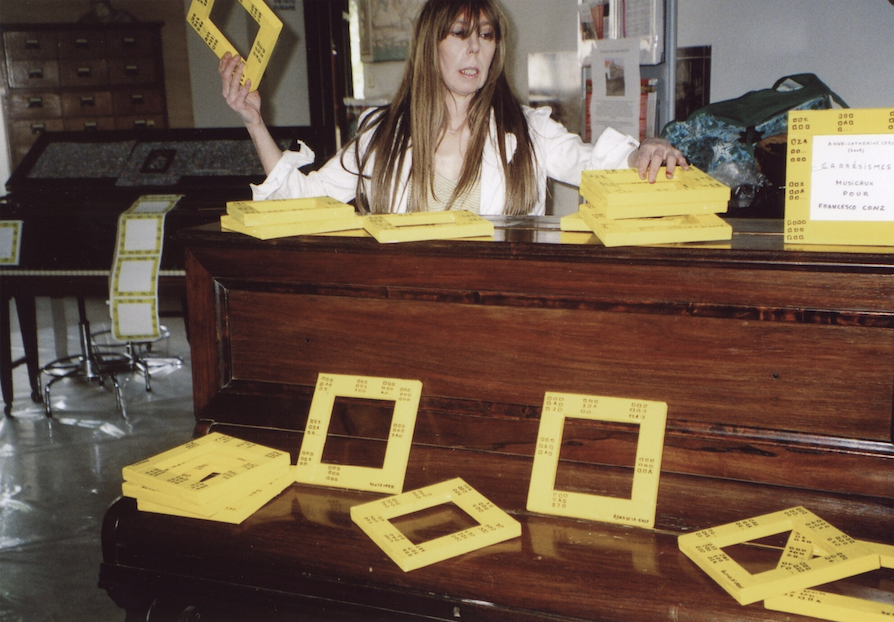
ANNE-CATHERINE CARON
Anne-Catherine Caron (born 1955, Châteauroux, France) is a French artist and writer associated with Lettrism since the early 1970s. Working across visual art, experimental literature, poetry, and film, she explores how signs and geometric forms can create language beyond conventional words. The square is a recurring element in her practice, functioning as both image and narrative structure. Her experimental book Roman à Equarrir (1977) and subsequent mural novels extend storytelling into visual space. Through her writing, translations, and exhibitions, Caron has also contributed to the dissemination of Lettrist ideas. (archivioconz.com)
Vittoria Adele Zamboni creates collages using discarded and reclaimed materials, including packaging, wire, and fragments of everyday objects. She began exploring this approach later in life, discovering expressive possibilities in materials collected from the street and preserved for future compositions. Her practice transforms overlooked remnants into artworks, giving them renewed value through the act of making. Her collage work was presented in MA/DONNE 2026: La Manipolazione at Villa Cernigliaro, in a selection curated by Carlotta Cernigliaro. (ilgiornale.ch)
Tommaso Correale Santacroce is a multimedia artist, writer, theatre practitioner, and filmmaker whose work brings language into dialogue with technology and audience participation. Drawing on extensive experience as a playwright, director, actor, and puppeteer, he creates interactive environments in which words become spatial, sonic, and performative experiences. Projects include La casa delle Parole Mobili, developed with Beniamino Sidoti, Il Poeta Oracolo, and Sette Sirene. He co-founded the cultural association 2lifeCast with Stefano Lazzari, developing multimedia projects concerned with social and ethical questions and the open exchange of knowledge. (fondazionebassetti.org)
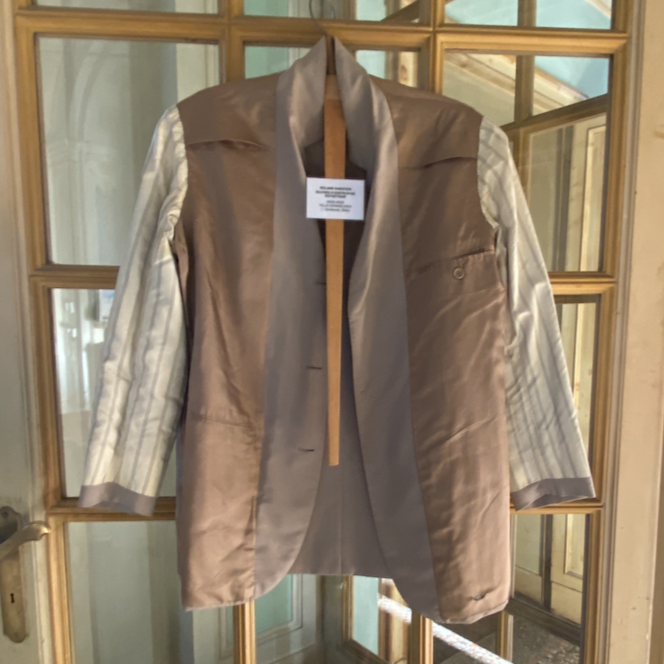
Roland Sabatier, Œuvres d'extrarrophie esthétique, (2005–2022), Villa Cernigliaro I – Sordevolo, Biella, Italy
Roland Sabatier (1942–2022) was a French artist, filmmaker, writer, and publisher who joined the Lettrist movement in 1963 after encountering it at the Paris Biennale. His practice encompassed painting, photography, experimental novels, cinema, theatre, and architecture. Central to his work was hypergraphy, which combines letters, images, and other signs to expand the possibilities of writing and visual expression. Founder of Éditions Psi, Sabatier also published and documented the work of fellow Lettrists. His works are held in collections including the Centre Pompidou, the J. Paul Getty Museum, and the Metropolitan Museum of Art. (archivioconz.com, metmuseum.org)
Paola Zorzi is an Italian artist and curator active in contemporary art since 1991. Informed by Constructivism, European avant-garde traditions, and critical theory, her practice encompasses geometric painting, photography, installation, writing, and acoustic-visual poetry. Her work investigates relationships between perception, language, and material structures, while addressing political, social, and environmental questions. She has participated in international Constructivist and MADI networks and developed interactive projects connecting physical environments with digital spaces. Her longstanding collaboration with Carlotta Cernigliaro includes exhibitions and cultural projects at Villa Cernigliaro in Sordevolo. (ilgiornale.ch, ecodibergamo.it, parchiletterari.com)
Armando Riva is an Italian artist born and based in Biella. He began working with photography and xerography in the mid-1970s, experimenting with cameras, photographic supports, and photocopiers. During the 1980s, he expanded into assemblage and installation, using discarded materials from the textile and mechanical industries to draw attention to overlooked processes of production. His practice continues across photography and found materials, extending his investigation of waste into everyday life. A co-founder of Manifesto n°0 and Studio A.A.A., he has also organized exhibitions and public art initiatives, including Passaggi a Nord-Ovest in Biella. (visionialtre.com)
John Cage (1912–1992) was an American composer, writer, and visual artist born in Los Angeles. His experiments with sound, silence, chance, and indeterminacy expanded the possibilities of music and art. Influenced by Zen Buddhism, he used chance operations drawn from the I Ching to move beyond personal preference and allow unexpected relationships to emerge. His practice encompassed prepared piano, experimental performance, poetry, prints, drawings, and watercolors. Through his longstanding collaboration with choreographer Merce Cunningham and his exploration of everyday sounds, Cage invited audiences to experience their surroundings with renewed attention. (brahms.ircam.fr, johncage.org)
about THE curator
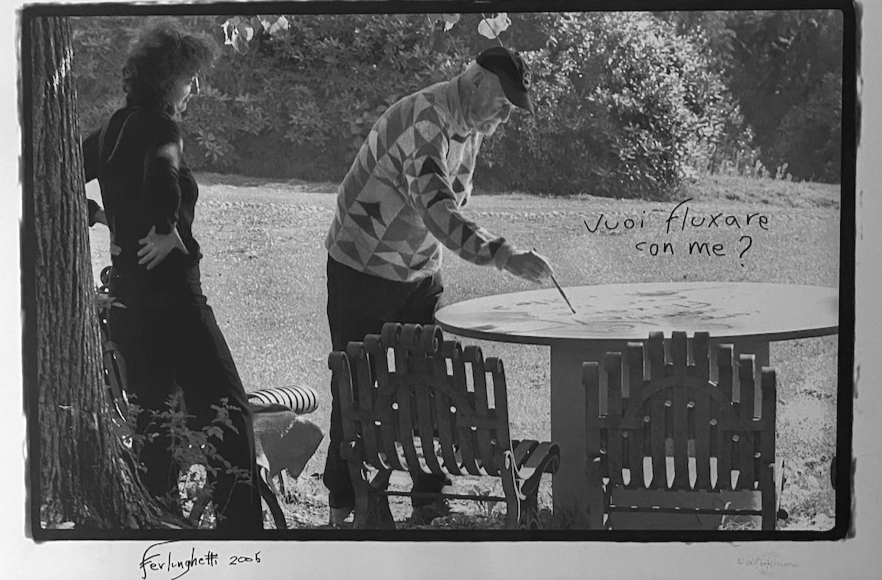
Ferlinghetti and Carlotta Cernigliaro
Vuoi fluxare con me? (Do You Want to Flux with Me?), 2005
Villa Cernigliaro, Sordevolo, Piedmont, Italy
Carlotta Cernigliaro, is an Italian curator, graphic designer, and cultural organizer based in Sordevolo, Piedmont. Trained at IED in Milan, she founded the design studio Ergonarte and developed a practice spanning visual communication, theatre, and experimental art. As the owner and custodian of Villa Cernigliaro, she founded Associazione Zero Gravità, supporting contemporary artistic research and preserving the cultural legacy of Franco Antonicelli. Her curatorial work brings historical avant-garde movements into dialogue with contemporary artists through exhibitions, performances, and international collaborations, sustaining the Villa as a place of intellectual freedom and cultural exchange. francoantonicelli.it,
Historical Significance - ISIDORE ISOU
Légende: Photogramme du film d’Isidore Isou, Traité de bave et d’éternité, 1951
ISIDORE ISOU (1925–2007), born Isidor Goldstein in Botoșani, Romania, and who died in Paris, was a Romanian-born poet, writer, artist, filmmaker, playwright, and theorist who became a naturalized French citizen. He was the founder of Lettrism, an avant-garde movement that he developed in Paris beginning in 1945.
Isidore Isou’s work is characterized by a constant relationship between the development of theory and its realization in artistic works. For Isou, opening a new path in art required demonstrating its creative potential through actual works; conversely, every work had to extend and validate the principles from which it originated. This complementary relationship became the driving force behind an undertaking that gradually expanded beyond the artistic sphere to encompass the entirety of knowledge.
As early as 1947, with Introduction to a New Poetry and a New Music (Introduction à une nouvelle poésie et à une nouvelle musique), Isou assigned a new creative function to letters, sounds, and rhythms. Twenty Serious and Joyful Recitations (Vingt récitations graves et joyeuses) and The War (La Guerre) thus inaugurated the exploration of Lettrist poetry and music. His research led to the discovery of the amplic phase—a phase of expansion within an art form—and the chiseling phase, which includes systematic introjective and destructive stages, followed by infinitesimal art and its imaginary forms.
This logic of expansion is also found in the visual arts. Hypergraphy progressively broadens the field of writing to encompass all signs, mathematics, and photography; esthapéïrism introduces virtual and imaginary signs; while meca-aesthetics and the supertemporal renew artistic supports, instruments, and audience participation.
The novel, photography, theater, choreography, pantomime, cinema, and architecture thus become territories in which these new principles can be explored and tested. Works such as The Journals of the Gods (Les Journaux des dieux), Treatise on Slime and Eternity (Traité de bave et d’éternité), The March of the Jugglers (La Marche des Jongleurs), and The Spanish Inn (L’Auberge espagnole) testify to this continuous expansion.
Applying this same method, Isou undertook a transformation of the scientific and speculative fields. Political economy (The Uprising of Youth / Le Soulèvement de la Jeunesse), psychology, linguistics, mathematics, philosophy, theology, and technology were reconsidered through the principles of creation and kladology, conceived as a comprehensive organization of the various branches of knowledge.
The originality of this undertaking therefore lies less in the juxtaposition of disciplines than in their interconnection within a comprehensive conception of creation. Theories, artworks, writings, lectures, and actions all participate in the same movement of experimentation and dissemination.
It is this all-encompassing ambition that Roland Sabatier highlights in Lettrism: The Creations and the Creators (Le Lettrisme : les créations et les créateurs, Z’Éditions, 1989), a publication devoted to the breadth of Lettrism’s achievements and subsequent developments.
Around Isou, Guy Debord, Gabriel Pomerand, and Wolman became associated, more or less temporarily, with the group established in Paris, alongside numerous other members, including Maurice Lemaître, Micheline Hachette, Jean-Pierre Gillard, and Anne-Catherine Caron, who each contributed their own interpretations and expressions of Lettrist aesthetics.
Among these figures, Roland Sabatier emerged as a major personality, Isou’s most faithful disciple and companion. A profound and reciprocal trust developed rapidly between them and remained unbroken from 1963 until Isou’s death in 2007, and beyond.
This continuing commitment was demonstrated, for example, through the 2010 exhibition and accompanying catalogue Lettrism: An Overview of Certain Precise Transcendences (Lettrisme : vue d’ensemble sur quelques dépassements précis), held at Villa Tamaris in La Seyne-sur-Mer, and through Sabatier’s ongoing dissemination of Isou’s work.
Sabatier was chosen by Catherine Goldstein to carry the funerary urn to the final resting place of the founder of Lettrism at Père-Lachaise Cemetery on August 3.
Anne-Catherine Caron Archives, updated September 2026.
ADDITIONAL SHARING
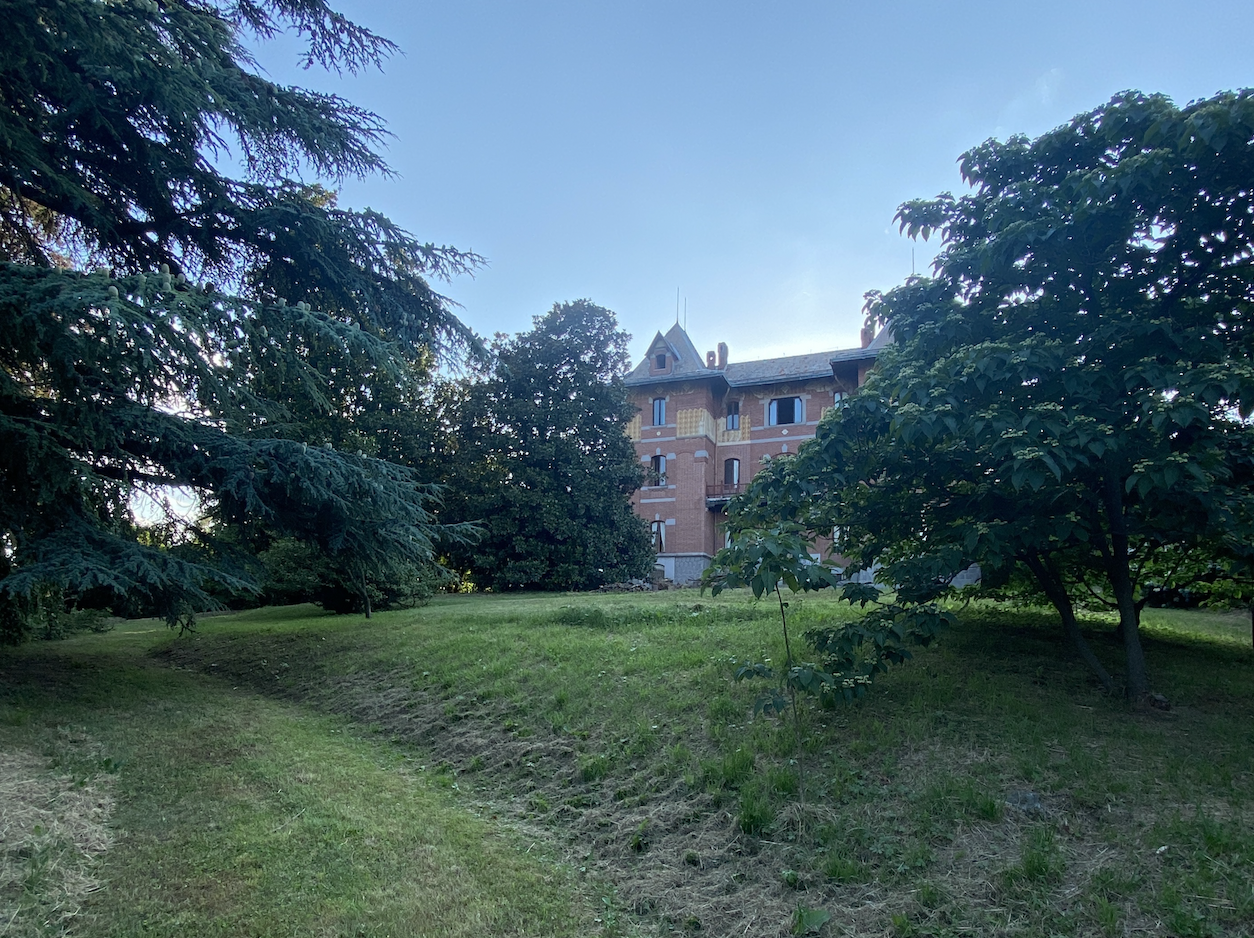
THE FASCINATING PRE-HISTORY OF VILLA CERNIGLIARO
WHEN IT WAS VILLA DELLE PUNTE
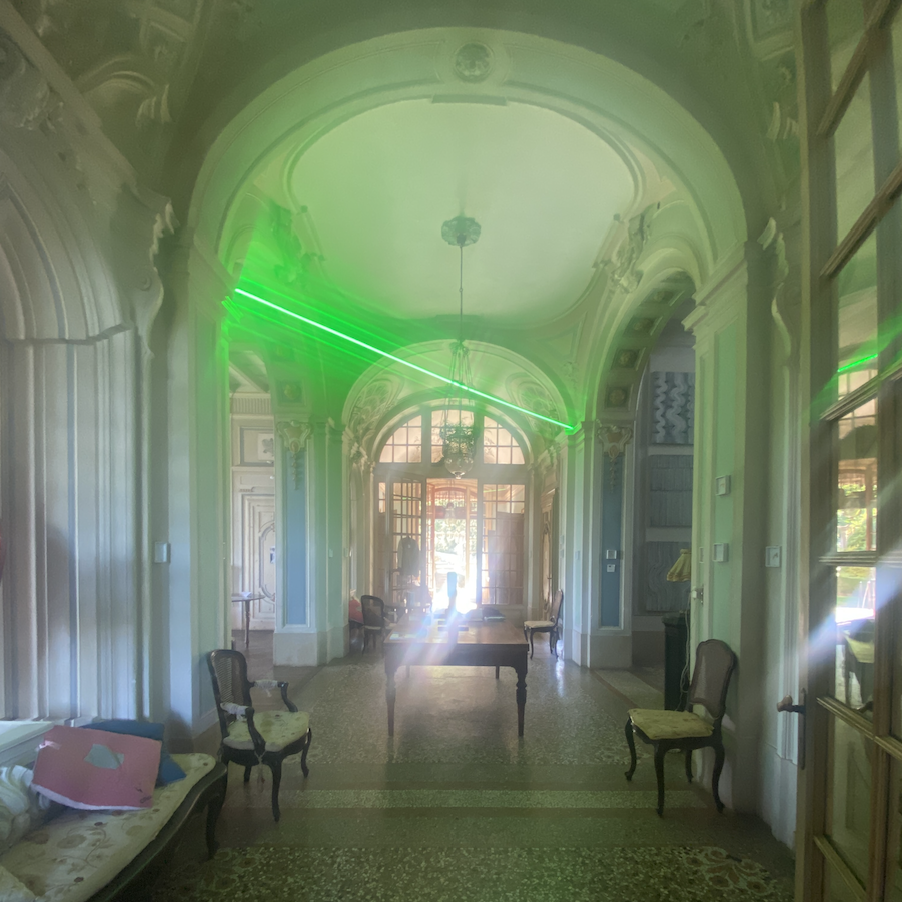
villa cernigliaro, SORDEVOLO, ITALY
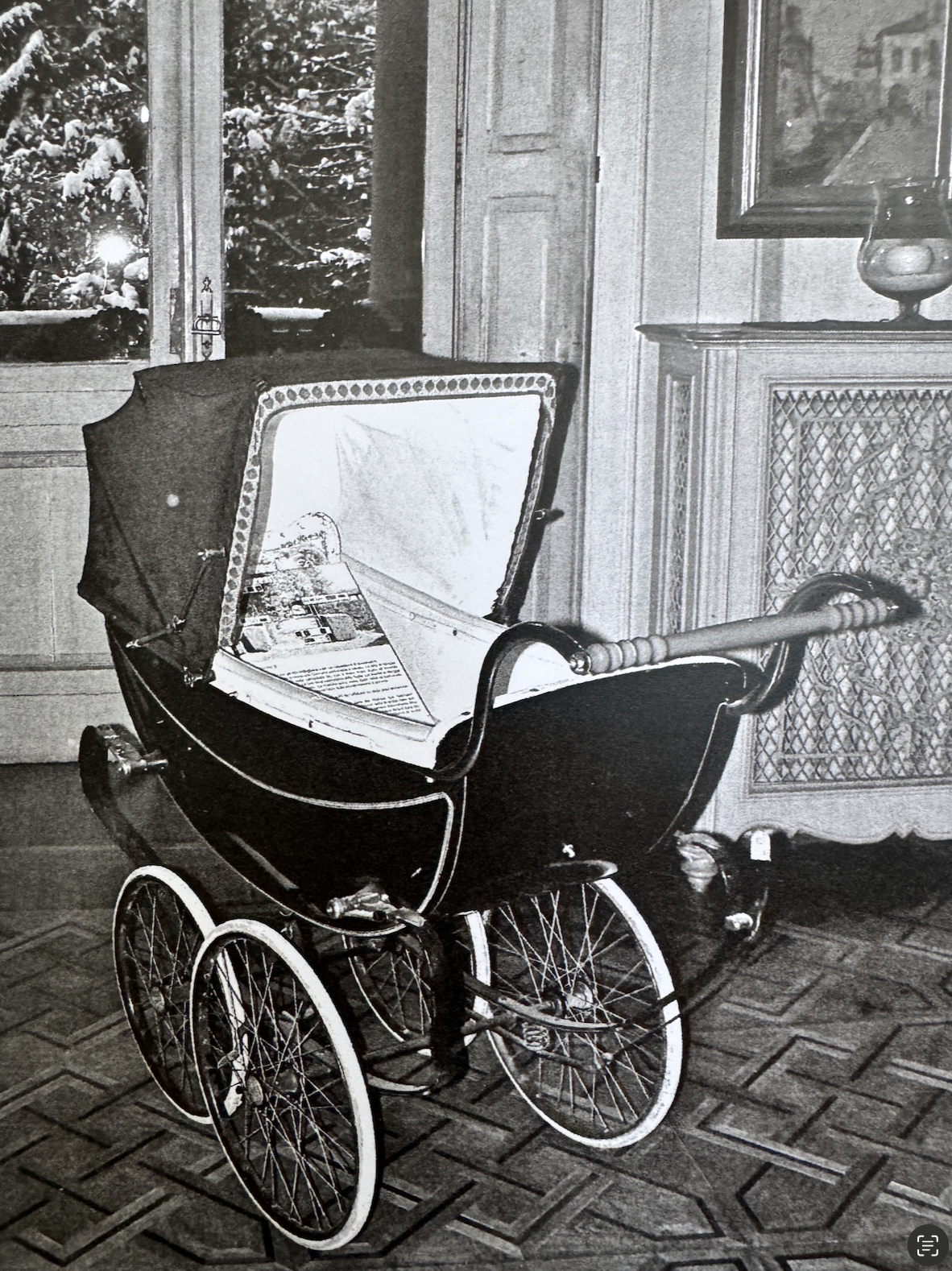
VC’S PHOTO JOURNAL OF carlotta cernigliaro’s childhood home…
ALPHABET OF HAVEN
Villa Cernigliaro — Fluxus, Lettrism, and More
A Statement by Victoria Chapman (PRESENTER)
Curated by Carlotta Cernigliaro
Located in the Biella region of Piedmont, Italy, the 17th-century Villa Cernigliaro was once the childhood home of Carlotta Cernigliaro. Today, it remains her home and a remarkable setting for contemporary art, poetry, performances, and artistic experimentation.
Villa Cernigliaro is a place of spirit and playful intrigue, where antiquities, contemporary art, and the unexpected coexist. Its rooms hold the works and ideas of artists, writers, and intellectuals, reflecting a legacy of creative exchange and independent thought.
Since my first visit in 2021, I have been fascinated by the villa's many layers of art and history. This past summer, Carlotta and I began selecting works for Alphabet of Haven, with her knowledge and understanding of the collection guiding our dialogue. Conversations with Anne-Catherine Caron, along with her contribution of works, brought further insight into the artistic movements.
It would be impossible to recreate Villa Cernigliaro and its natural surroundings, nor was that my intention. Drawn to the legacy of Franco Antonicelli and the experimentation of Fluxus and Lettrism, I see these selected works, photographs, publications, and objects as art-facts of lives lived, shaped by the hands and hearts of individuals who contributed to making history.
There were countless possibilities for presenting the works in the spirit of Fluxus. I chose a more historically grounded approach, honoring the artists and their contributions while allowing the works to establish their own dialogue within the intimate surroundings of El Nido.
Although modest in scale, Alphabet of Haven carries an expansive history. Some things are meant to be discovered, others contemplated, and perhaps a few left as mysteries.
Victoria Chapman
El Nido by VC Projects, Los Angeles
October 14, 2026
THANK YOU!
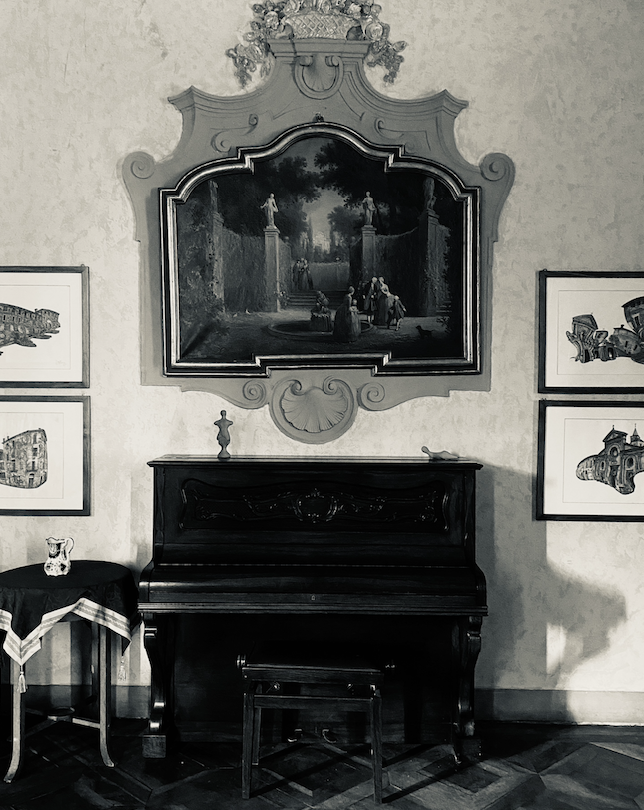
INSIDE VILLA CERNIGLIARO, CAPTURED BY VC