An excerpt from the essay, The Artist and the Rural
EL NIDO, LOS ANGELES
Sometimes the important act was walking, sleeping, looking, or lying on a floor long enough to experience a room differently.
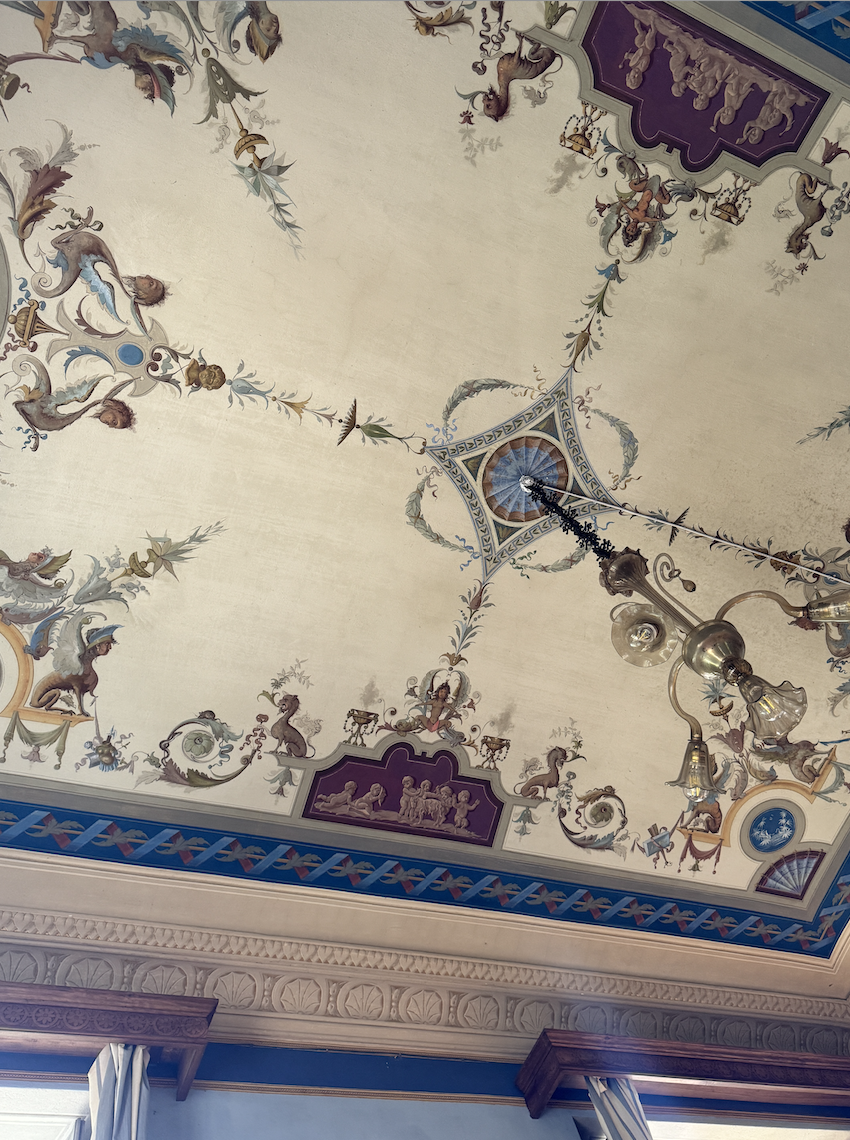
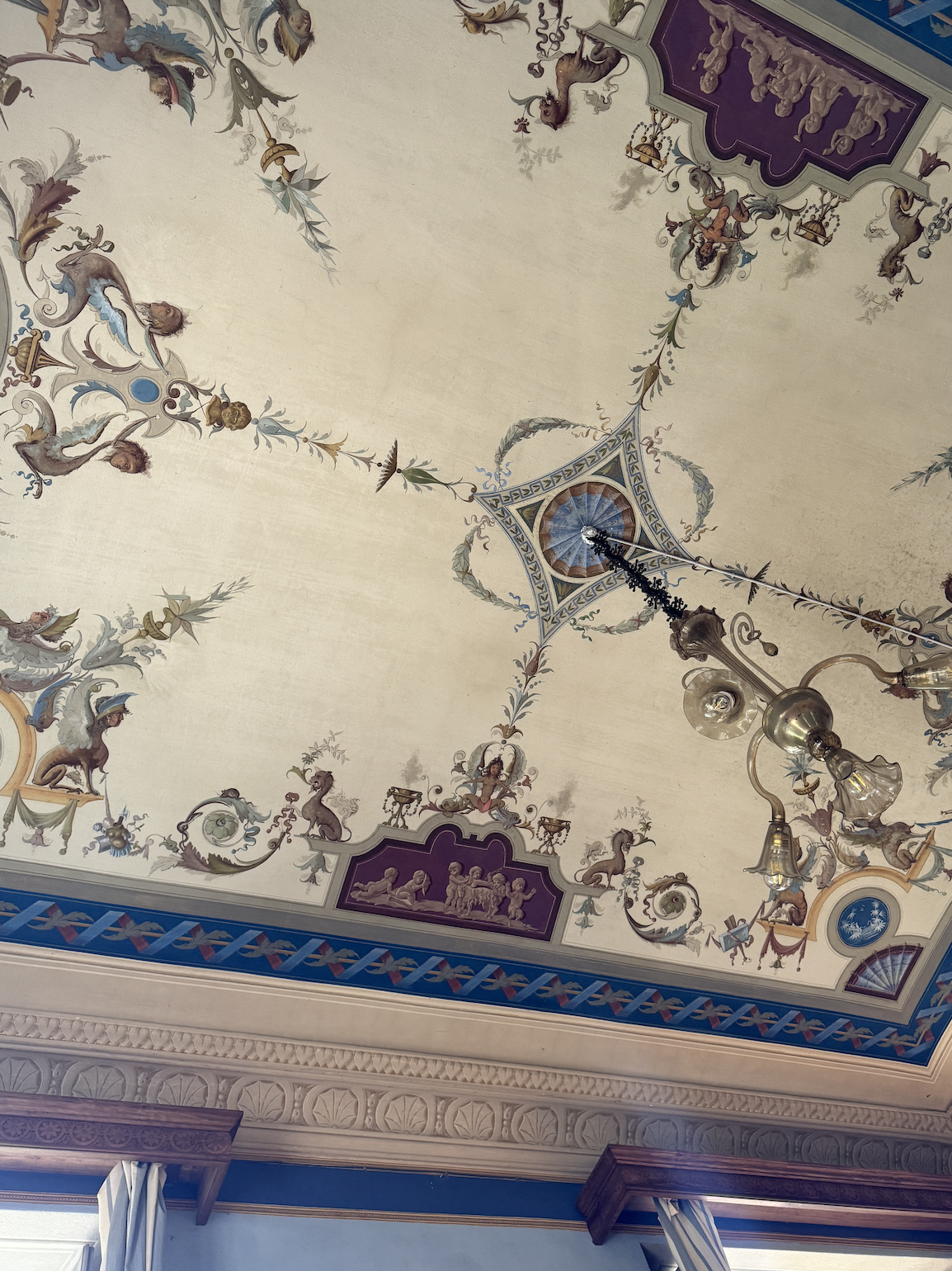
I began by looking at architecture: the materials of a building, its surfaces, openings, thresholds and structures.
Eventually I realized I was considering another architecture as well.
The architecture of myself.
What had been constructed. What had been protected. What had been closed. What could be opened. And what I was finally willing to enter.
The artist and, or even in the rural, then, is not primarily a question of where art gets made. It is a question of displacement—of what can happen when the artist steps outside the environment that continually confirms who they are and how they work.
To become unfamiliar for a while.
To encounter the body again.
To look and listen.
To allow vulnerability.
And eventually, to return.
Not necessarily healed. Not necessarily resolved. Not necessarily with something to show.
But perhaps able to approach the inquiry again with less surrounding it.
We often go into nature believing we are going there to find peace. Sometimes what we find first is everything that has been preventing us from feeling it.
The rural does not need to provide the answer.
Perhaps the value is simply that it gives us enough space to hear the question.
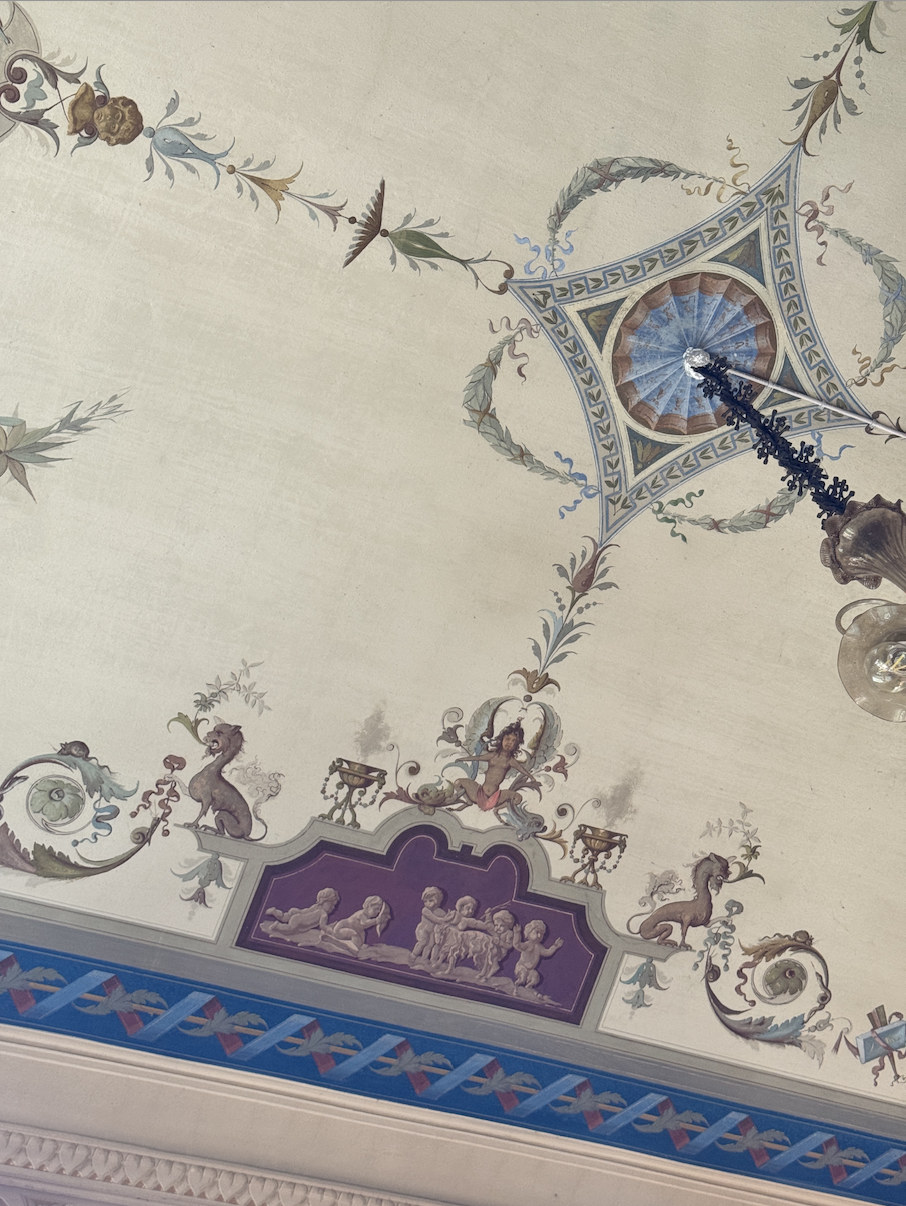
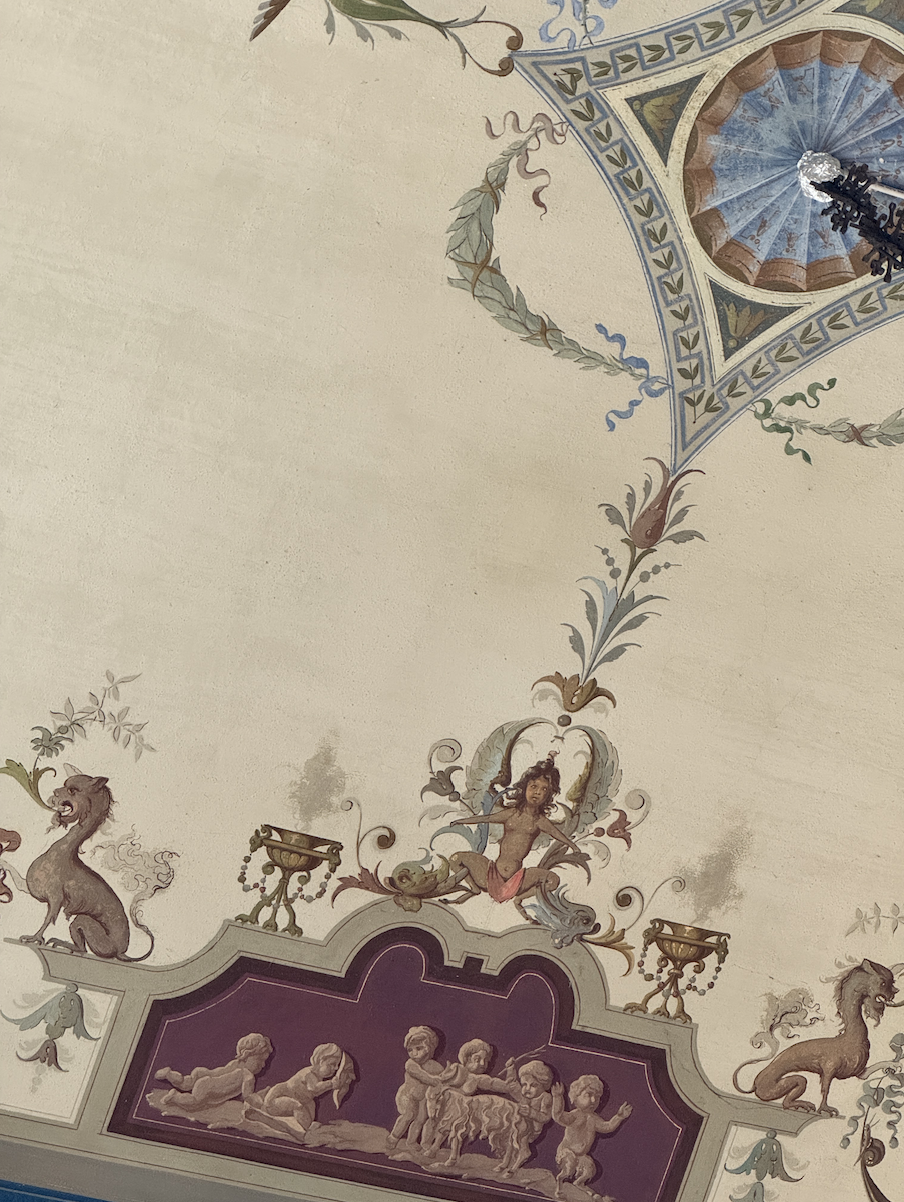
The Artist and the Rural is a reflection written following time spent at Villa Emma, considering, attention, vulnerability, and what may occur when artistic practice gives way to simply being.