FRANCESCO TORI AND LINDA ZAMBOLIN, ONCE UPON A TIME - INCARNATION OF PLACE
Q AND A WITH LINDA ZAMBOLIN AND FRANCESCO TORI - ORIGINS
Regarding the exhibition: Once Upon a Time – Incarnation of Place
This Q & A with (L & F) is translated from Italian to English
LINDA ZAMBOLIN AND FRANCESCO TORI
QUESTIONS TOUCHING ON
I. Origins & Resonance
II. Symbols & Guardians
III. Architecture, Memory & Place
IV. Pastoral Memory & Movement
VI. Symbols, Awareness & Transmission
I. Origins & Resonance
VC: How did this title come about?
L & F: This project was born after two late-autumn afternoons during which we decided to photograph a few glimpses of our Biella landscape. There was no planning involved; rather, there was a desire to be outdoors with our cameras, to be amazed by the place, and to seek a bit of inner tranquility.
VC: What inspired these photographs?
L &.F: The photographs were inspired by resonance.
Our approach to photography is always to capture what resonates within us—not only aesthetically, but also on a deeper level. It is more of an investigation. We notice that even when we set out without a specific vision, a kind of flow is created that leads us to see situations which, in the end, tell something about us and somehow reflect the bond we have with our places.
This is why the photographic act ultimately becomes a process of analysis and discovery of a message that lies within ourselves—and that we believe lies within all of us: the bond with nature, which was our first home many centuries ago.
Today’s frenetic, almost hysterical way of living takes us farther and farther from our “home,” dulling our ability to feel the most authentic rhythms found in natural environments free from constant stimulation. This is why the title Once Upon a Time was chosen.
At the end of the creative process, when reviewing the images and their sequence, the Genius Loci of the Biella territory emerges in some way, outlining the deepest feelings of our personal consciousness. This is why we speak of resonance
II. Symbols & Guardians
VC: What do the trees mean to you?
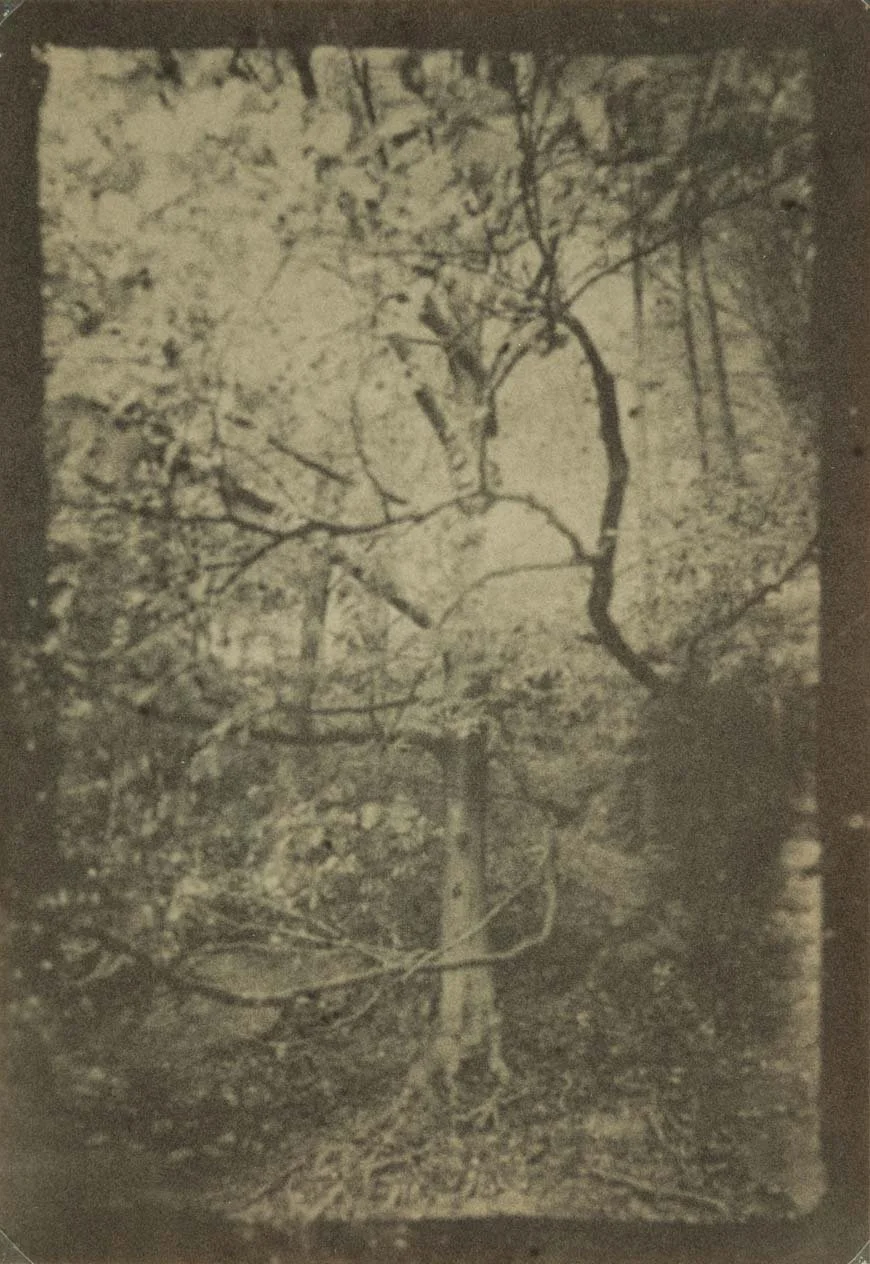
L & F: In this particular project, trees awakened in us a sense of protection and storytelling. They become the symbol of the soul of the place.
The Genius Loci we mentioned earlier does not only describe the historical-cultural essence of a place; by studying the meaning of the term more closely, we return to ancient Rome, where it referred to the protective deity of a place. This is how we perceived the trees—and all the subjects in our photographs: as guardians and custodians of a profound message that resonated in our souls.
Living this journey of photography and historical analysis of our territory was extremely moving. Initially, during the shooting phase, the process was entirely intuitive. Only later, while selecting the sequence of images and studying how to give form to the project, did we discover that there was a concrete historical explanation behind what we had experienced—something that resonated in us just as it did in past populations. It is the universal message of the Genius Loci, rediscovered in our inner time.
III. Architecture, Memory & Place
VC: What are these buildings?
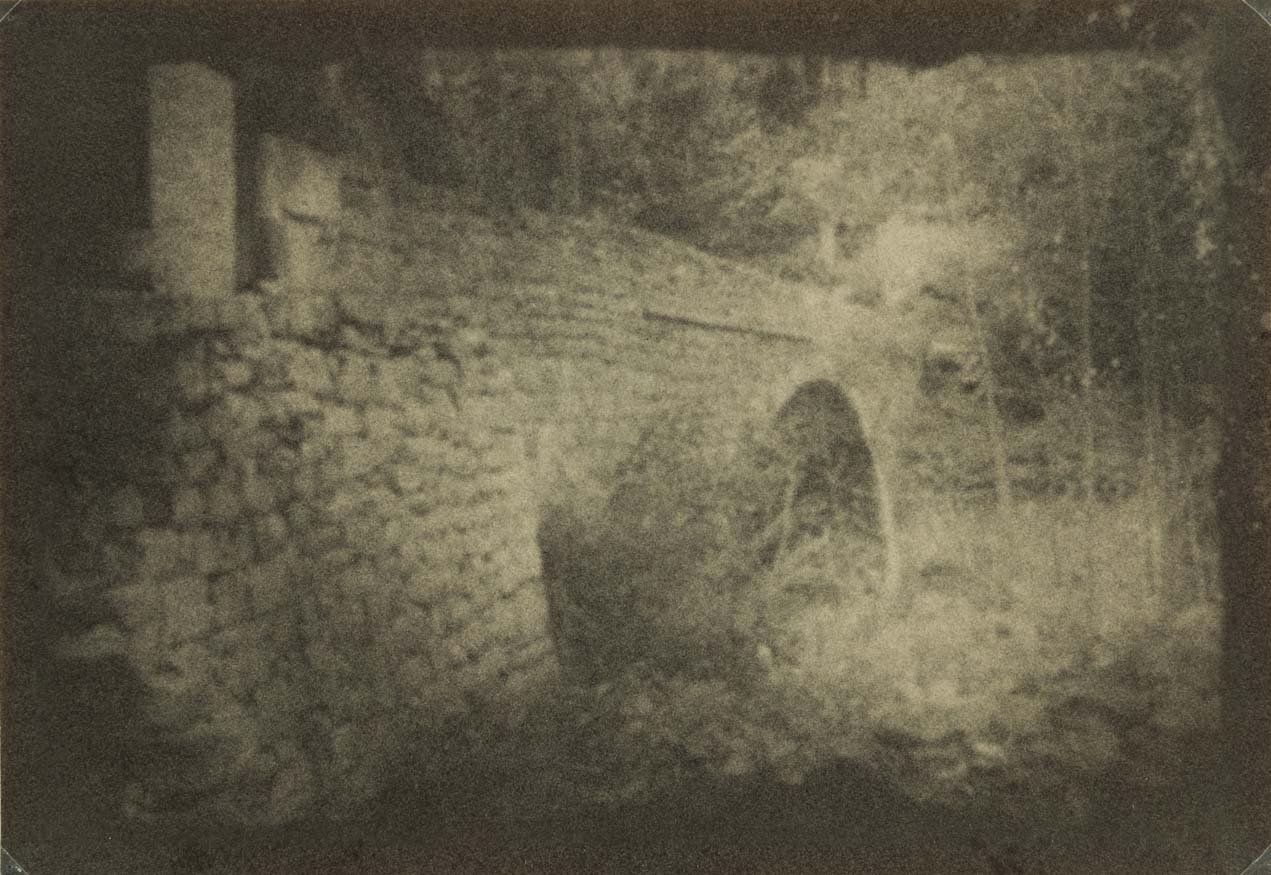
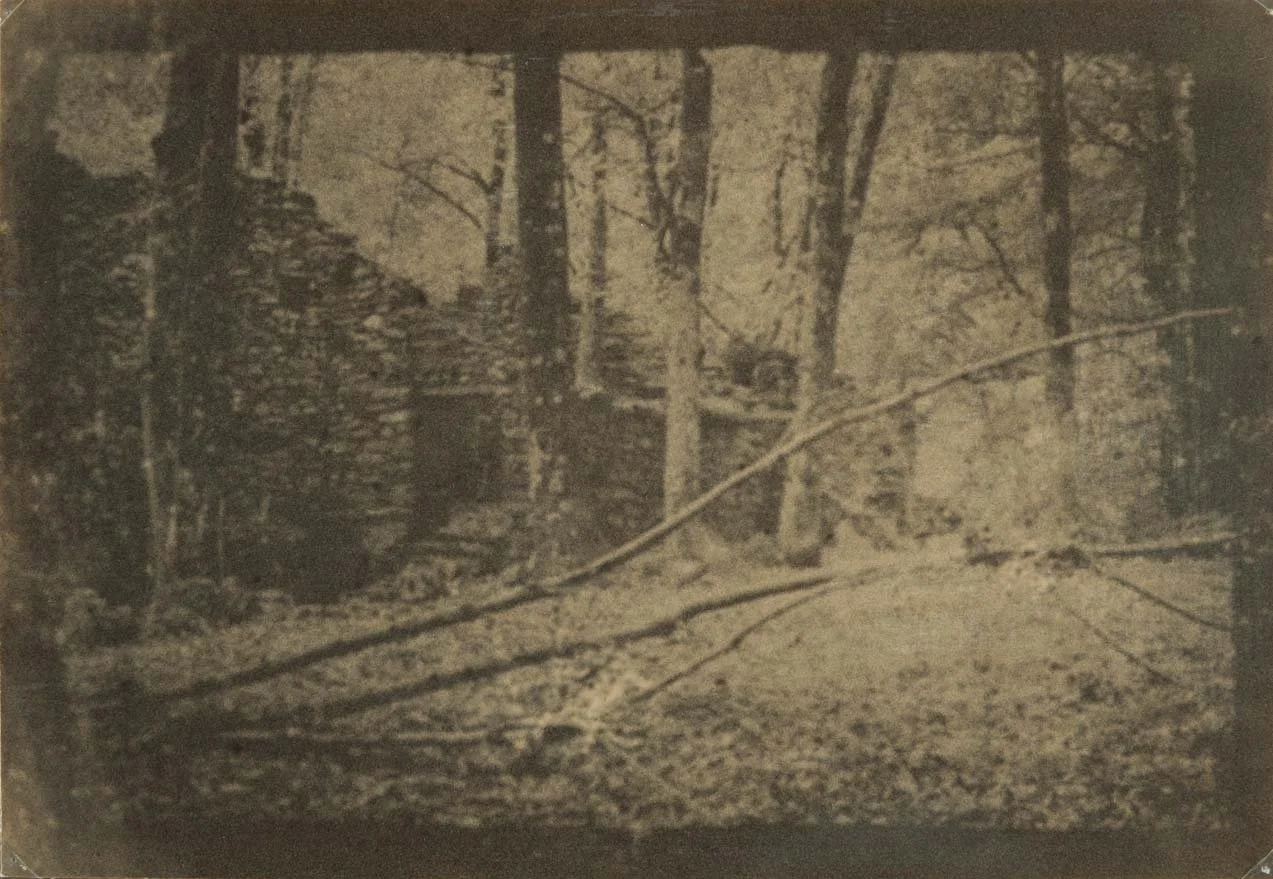
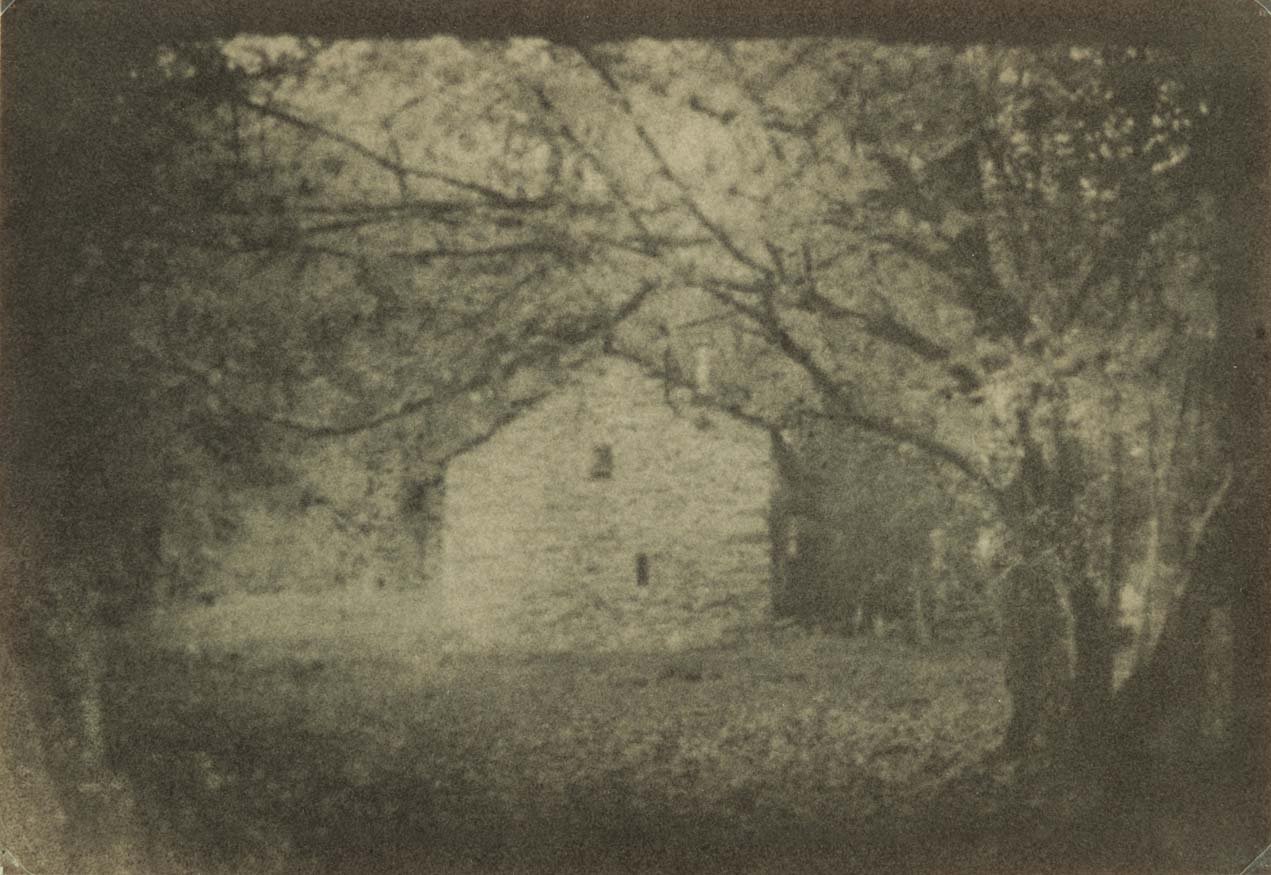
L & F: They are barns—an architectural type found in many mountain areas. These buildings were constructed using local materials.
By speaking with a local resident, we learned that in addition to these structures—some dating back to before 1800—there are smaller stone constructions that serve as entrances to tunnels descending to a considerable depth underground, from which a constant flow of cold air emerges. Cheeses and probably other food supplies were stored there during rest periods for shepherds and their livestock before continuing their journey—essentially natural refrigerators.
Unfortunately, many barns are collapsing. Another local explained that the weak point is the roof: as long as the supporting beams of the stone roof hold, the perimeter walls remain standing. When time and wear cause the beams to give way, the roof collapses and, little by little, the walls follow. Sadly, some of these barns are already severely damaged, as can be seen in the photographs.
Once Upon a Time is a title that aims to draw attention to what the ancient inhabitants left us: the value of truly sustainable architecture capable of enduring over time. In simplicity, there is everything.
VC: Where is the location?
L & F: The area we photographed is a wooded zone near Rosazza called Fianbello, once very important as pastureland and as a starting point for trails leading to the Aosta Valley and Valsesia.
Rosazza is a historic village in the upper Cervo Valley, in the province of Biella, also known for events linked to esotericism, having been founded by the Freemason Federico Rosazza, who financed many architectural works from the mid-1800s onward. It is a magical and fascinating place from both an urbanistic and forest perspective.
IV. Pastoral Memory & Movement
VC: Is this an area where shepherds pass through?
L & F: This place, once called the Fianbello pasture, is now unfortunately only a wooded area and is no longer used for pastoralism.
VC: Were you both hiking when you found this area?
L & F: Yes, we were together. We often decide to visit places that are new to us with our cameras, and if the place “speaks” to us, magic happens. After photographing this series about our Biella territory, it was as if we suddenly became aware of its beauty. Sometimes, when you live within a certain landscape, you take it for granted.
That day, by exploring an unfamiliar place as if we were arriving from afar, we savored a delicate message held within its nature—a message that allowed us to rediscover a beauty veiled by routine and by the constant rush of everyday life.
V. Process, Technique & Time
VC: How did you set up the shot (photo composition)?
L & F: Technically, the shots are set with values that allow us to work handheld. Our intention is to conceive photography as a kind of notebook—something that allows us to always be ready to capture what we perceive.
The camera becomes an extension of ourselves, creating a balance between technique and emotion. Within that balance, we freeze a content that reflects our personal state of mind as it unfolds while walking through a specific place. Back in the studio, the images are then reordered until a story takes shape.
VC: Are the photographs painted with coffee and then waxed?
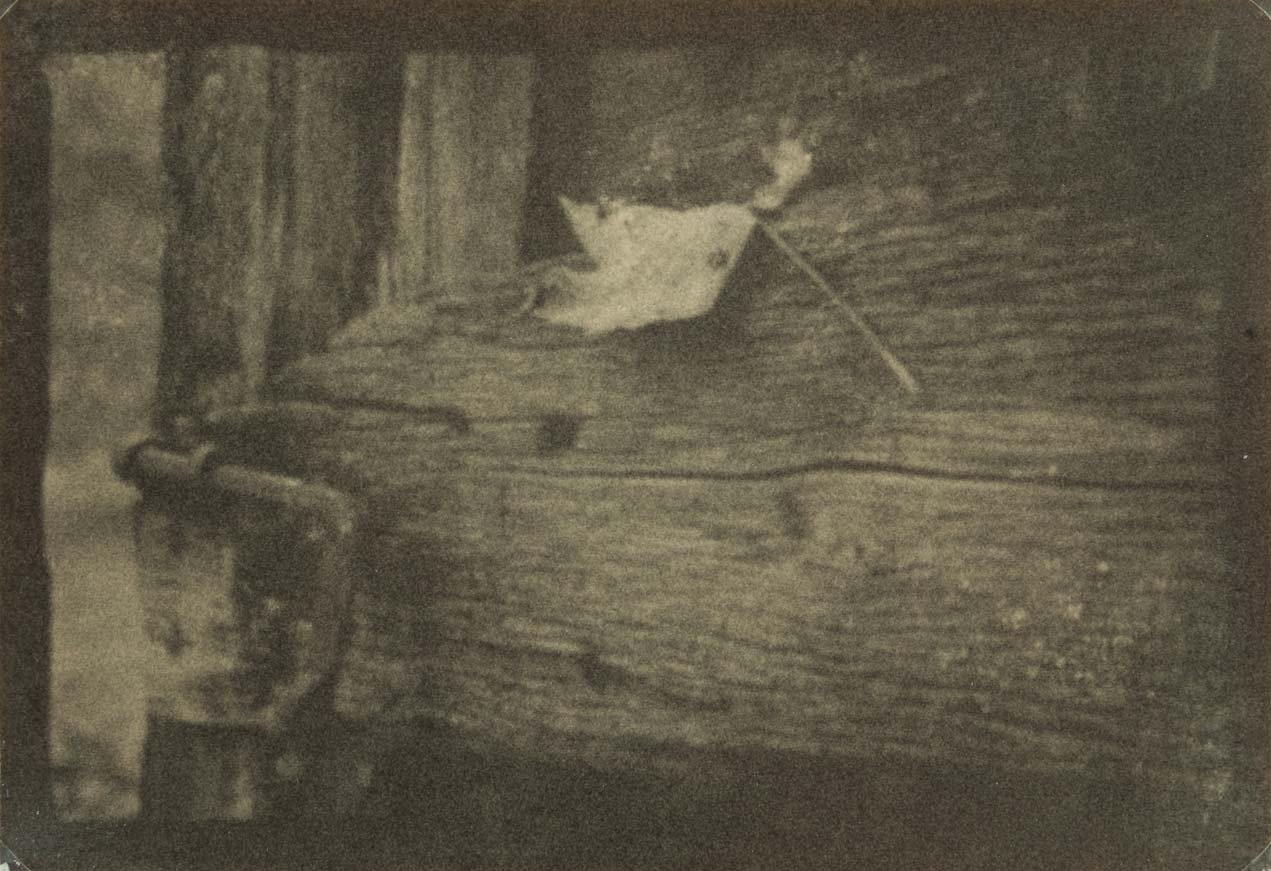
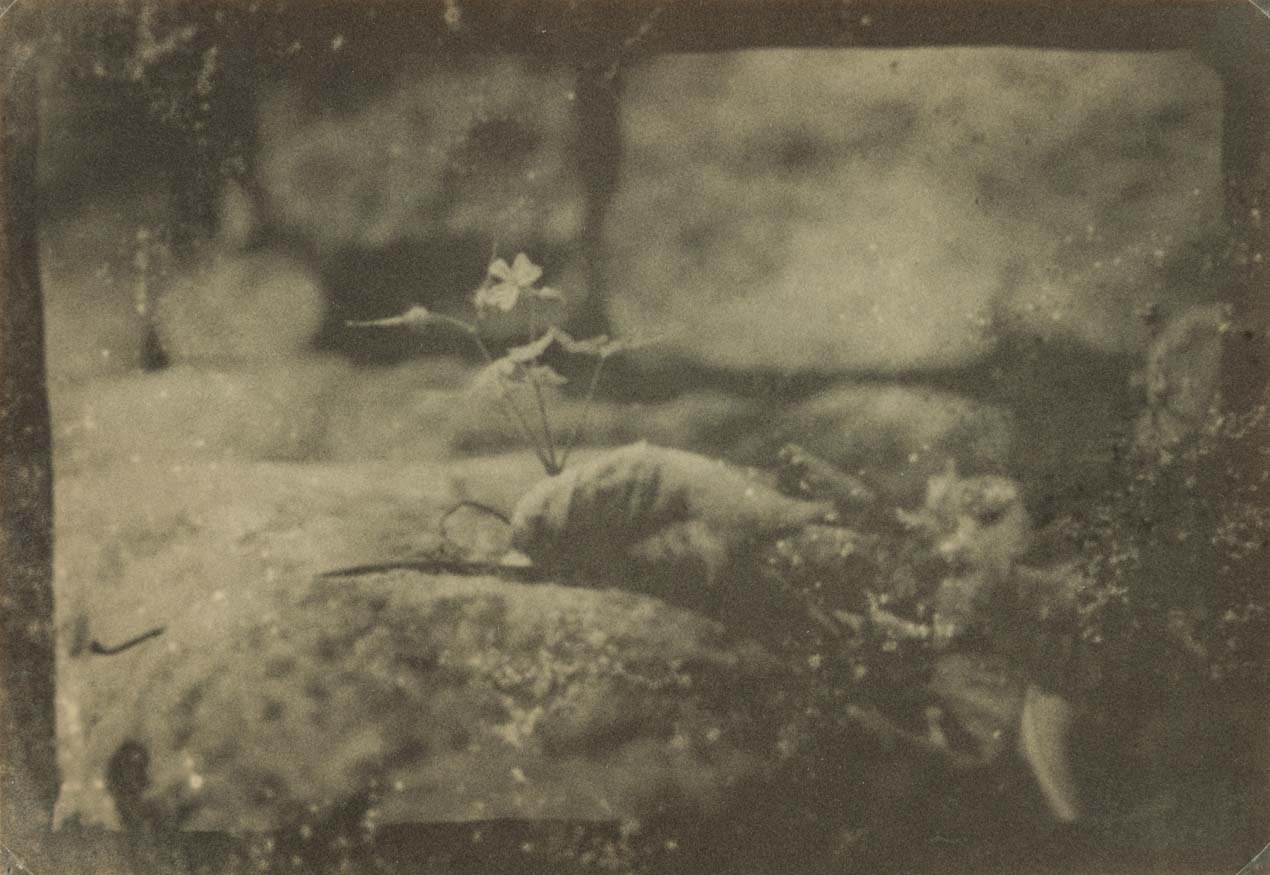
L & F: Yes, the photographs are toned with coffee and then waxed using the encaustic technique.
For us, this is a fundamental process in our photographic expression, as it allows us to convey a sense of inner time and invite the viewer to observe our images from another perspective—one shaped by a more emotional point of view.
VI. Symbols, Awareness & Transmission
VC: What does a year of grazing mean to you?
L & F: The International Year of Pastures is certainly a very important initiative that sets goals related to environmental sustainability, food security, culture, and tradition. We would like to reflect on the latter two by analyzing their meaning.
Culture is the complex whole of knowledge, beliefs, art, and customs of a society; tradition (from the Latin tradere, to pass on) is the process by which these elements—customs, rituals, legends, songs, food—are transmitted from generation to generation, creating identity and continuity while evolving over time.
They are part of who we are and must be taught to new generations, even if they may seem boring at first glance. Though often discussed, they remain fundamental for knowledge and for understanding, in some way, where we come from and who we are.
Today, hyper-technology is leading us away from this vision. We no longer live in the slowness of listening to a story or observing what appears motionless—such as a landscape with all its color nuances, details, and wonders. Constant overstimulation is making us increasingly stressed and unable to maintain attention, creating a world of confused thinking overloaded with mostly useless information.
Returning to our project, with Once Upon a Time we wanted, in our own way, to amplify this message of returning to our origins. If we stop passing things on and stop listening, we will stop being.
We quote here part of a scientific text written by our dear friend and forestry doctor, Giada Prione:
“The pasture is not only a place where animals spend the summer months; it contains an invaluable source of knowledge, legends, and traditions: the skilled hands of a margaro making cheese; a siunera who recognizes high-quality herbs or mends a garment by lamplight at dusk; the sound of the animals’ bells—these are fundamental pieces of our tradition. The frequent use of pastures allows not only their conservation and the ecosystem services they provide, but also education toward awareness of one’s origins and traditions.”
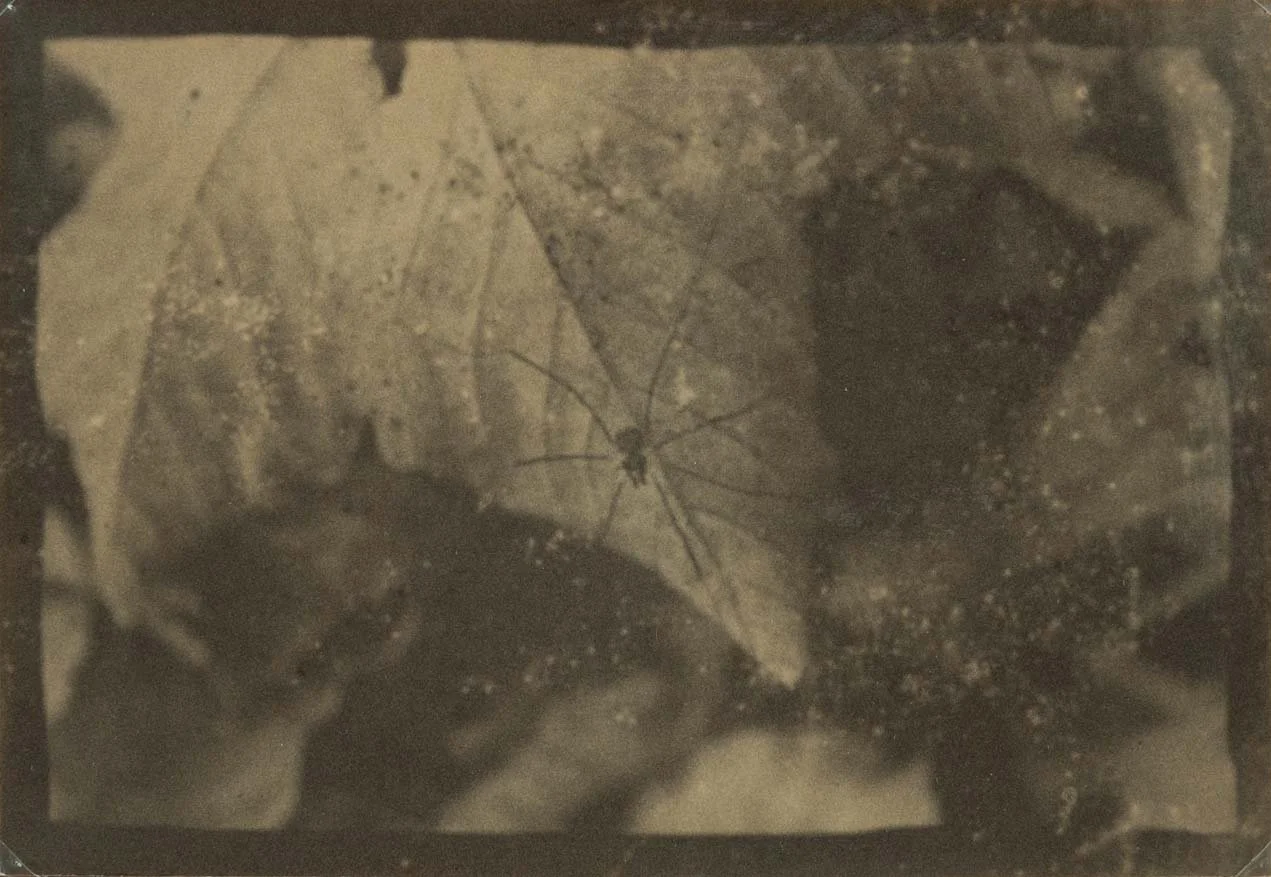
VC: What does the image of the spider mean to you?
L & F: The spider is a symbol of slowing down and observation.
Today’s speed often prevents us from truly seeing what happens in life; instead, life flows past in a disorganized, almost maddening stream. Everything is fast, immediate—the phone, email, messages, relentless advertising telling you that if you don’t have something or live in a certain idealized way, you are lost. It is a deafening noise that numbs the soul.
Now imagine walking in nature and, in that slowness, noticing a small creature resting on a leaf—one you avoid stepping on simply because you saw it. You observed it, even briefly, and in doing so you perceived a fragment of the universe around us.
That is the meaning of the spider: noticing what lies between the lines of life—seeing, listening, slowing down until coming to a stop.
VC: What about the images of flowers or leaves (these abstract detail shots)? Do they refer to a philosophical inquiry?
L & F: The flowers and root details that lead to abstract subjects are images that, in some way, contain a message. It is not strictly philosophical; rather, we believe it carries a growing desire for awareness.
Once again, after undertaking a hike without a precise project, an intimate vision of a theme already residing within us emerges from the subjects: an awareness of balance and peace that, for humans, is inexplicably difficult to recognize and maintain. Deep down, we are connected to everything, and nature is that everything—yet we get lost in a glass of water filled with confusion.
In our personal and artistic journey, this theme emerges here as well as in Echi: nature resonates with a very precise message, and perhaps yes—it is linked to the philosophical reflections of those who came before us.
Linda and Francesco - Acknowledgements
We would like to extend our deepest thanks to everyone who collaborated in the realization of this project.
A special thank you to Giuseppe Andrea Maria Marrone, Mikelle Standbridge, Sarah Sivieri, and Giada Prione—and of course, thank you to you - Victoria
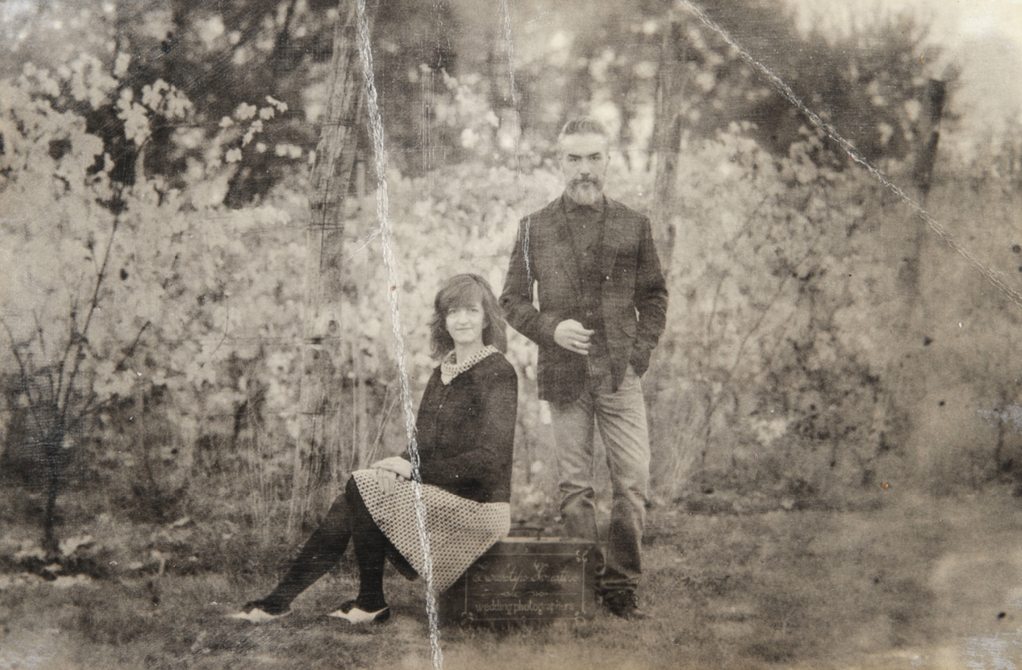
Linda Zambolin and Francesco Tori (Archetipo Creativo)