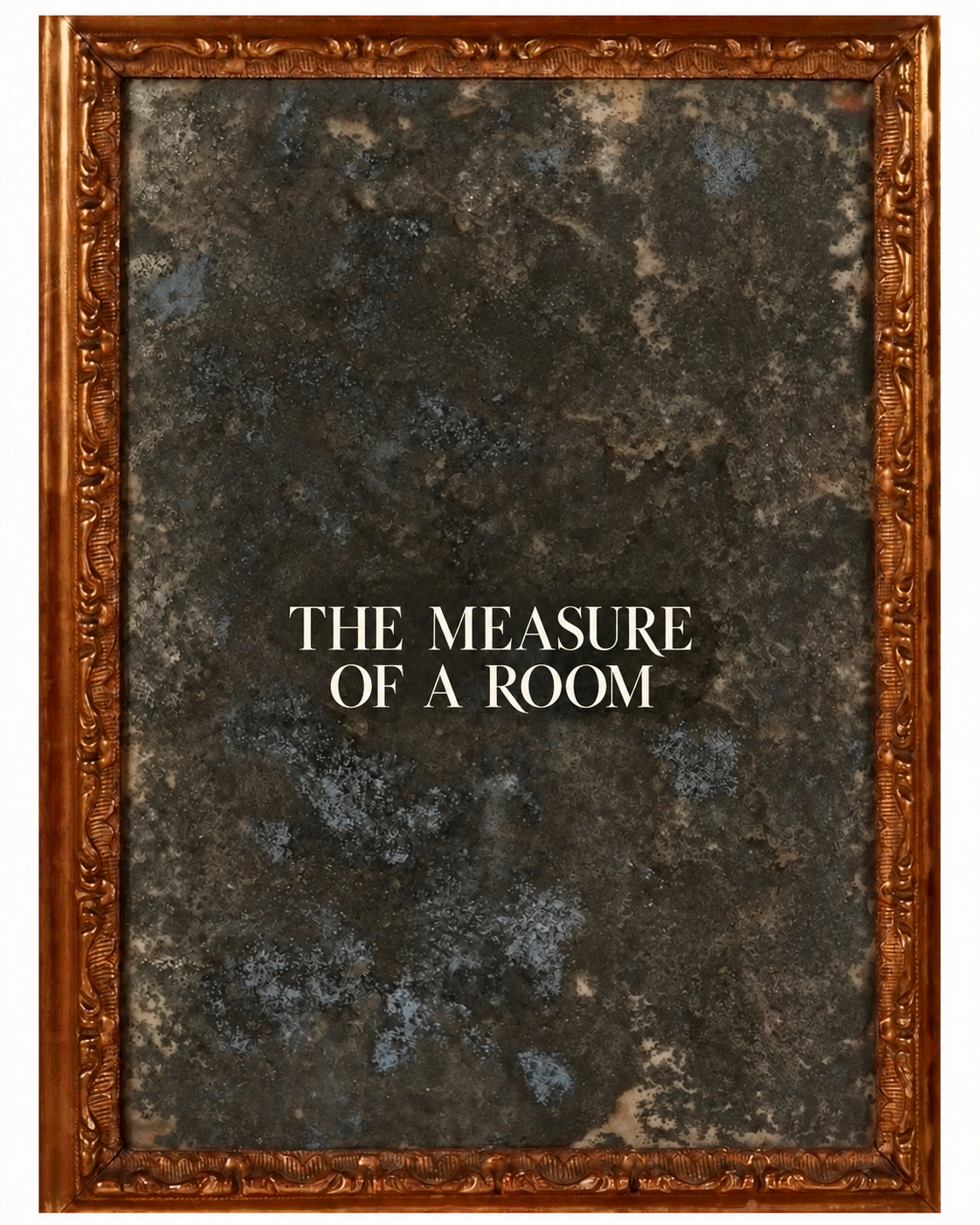
THE MEASURE OF A ROOM
An International Exhibition Project
Curatorial Statement
Victoria Chapman | El Nido by VC Projects
When a woman withdraws into a space of her own, is she retreating from the world, or entering into a deeper relationship with it?
The Measure of a Room considers the spaces women inhabit, both physical and invisible, and what takes place within them when no one is watching. The chamber, the bedroom, the studio, the garden, or the forest may become places of contemplation, resistance, preparation, and transformation. A room need not be defined by walls. Sometimes its boundaries are internal, and the space resides within ourselves.
Throughout history, women have occupied spaces shaped by necessity, convention, devotion, and personal choice. Within these enclosures, private rituals and gestures have offered ways of negotiating the world beyond them. In medieval Europe, women such as Julian of Norwich, Margery Kempe, and Christine de Pizan found distinct ways to give form to spiritual experience, bodily knowledge, and intellectual life. Through visions, writing, contemplation, and imagined architectures, they created spaces for expression within, and sometimes against, the conventions of their time.
Centuries later, Anne Lister (1791–1840) recorded portions of her private life in a coded language she called her crypt hand, a cipher combining Greek letters, mathematical symbols, and other characters. Within the pages of her journals, she preserved intimate thoughts, desires, relationships, and experiences that could not always be expressed openly. Her writing raises another possibility: that secrecy is not always a condition imposed upon women, but may also be a deliberate act of autonomy. Through her crypt hand, language itself became a private room.
These histories raise questions about the languages women develop when ordinary forms of expression are insufficient or unavailable. What remains unspoken? What is communicated through gesture, repetition, material, or the body itself? Might certain practices constitute private or secret languages, understood first through the experience of making rather than through explanation?
The Measure of a Room considers artistic practices that emerge from instinct, memory, and the physical act of making. A surface traced, a fragment preserved, a strand of hair, a repeated movement, or a mark made may carry meanings not immediately understood, even by the person performing the act. Such gestures may become forms of self-healing, preparation, remembrance, or communion with something beyond conscious understanding.
These questions extend beyond the architectural room. A field, a forest, or a solitary encounter with the earth may become a chamber of its own, where the body enters into a different relationship with time, place, and the natural world. Within these spaces, making may become a form of listening, an attempt to communicate with something that has not yet found language.
What do women do in solitude that cannot emerge under observation? What private rituals, patterns, and forms of knowledge are cultivated within the spaces they claim or create for themselves?
Bringing historical inquiry into conversation with contemporary artistic practices, The Measure of a Room explores the relationship between enclosure and freedom, silence and expression, the visible and the unseen.
Rather than proposing solitude as withdrawal or enclosure solely as restriction, the exhibition asks whether the spaces we inhabit, construct, or carry within ourselves might become places of agency, discovery, and transformation.
Perhaps withdrawal is not an absence of participation, but another form of engagement with the world.
-Victoria Chapman, curator
VENUES AND CURATORIAL TEAM
TURIN, ITALY La Via Lattea | Roberta Toscano — Co-Curator
LOS ANGELES, USA El Nido by VC Projects | Victoria Chapman — Curator
HEBDEN BRIDGE, YORKSHIRE, ENGLAND In a Land Gallery & Studio Prospective venue — under consideration for 2028
this project is conceived by VICTORIA CHAPMAN
Curator | Founder, El Nido by VC Projects
Los Angeles, California
TO SEND A PROPOSAL EMAIL: VICTORIA@VCPROJECTS.ART
TURIN EXHIBITION MAY 7 - 28, 2027 AT LA VIA LATTEA
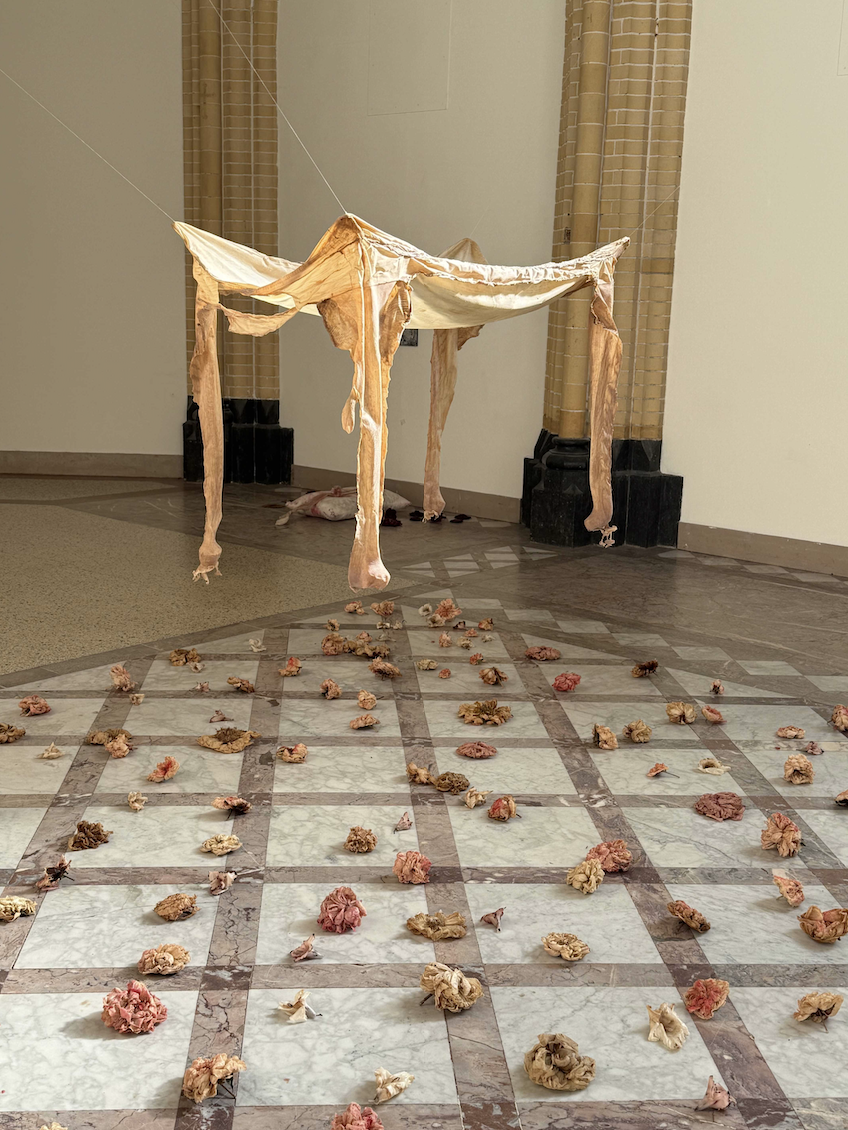
ellis schoonhoven, Liberation of the alter, 2026, rubber and waxed flowers
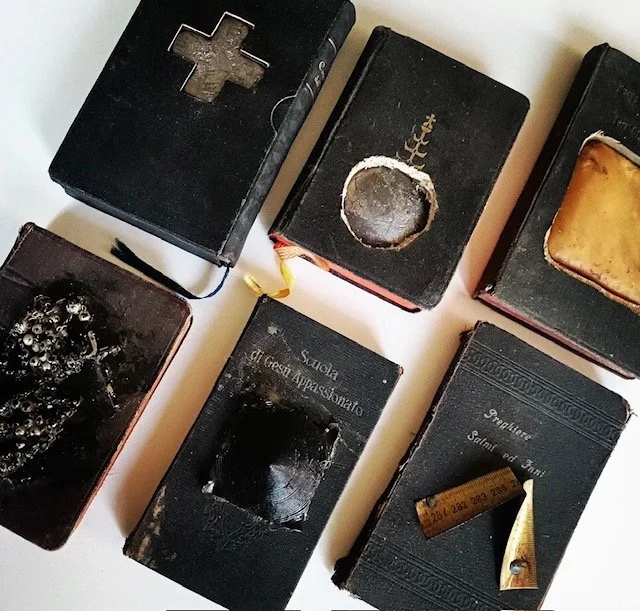
ARMANDO RIVA, PREGHIERE,, MIXED MEDIA ASSEMBLAGE
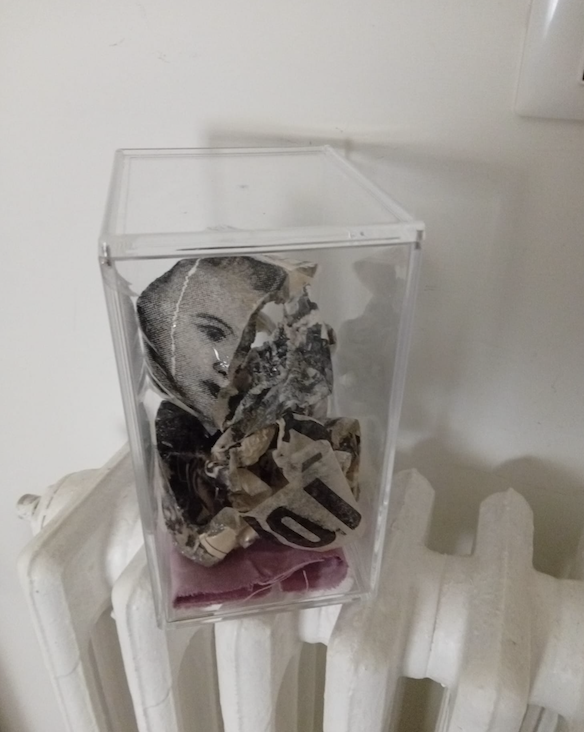
ANGELO PANTALEO, È UNA COMBUSTION
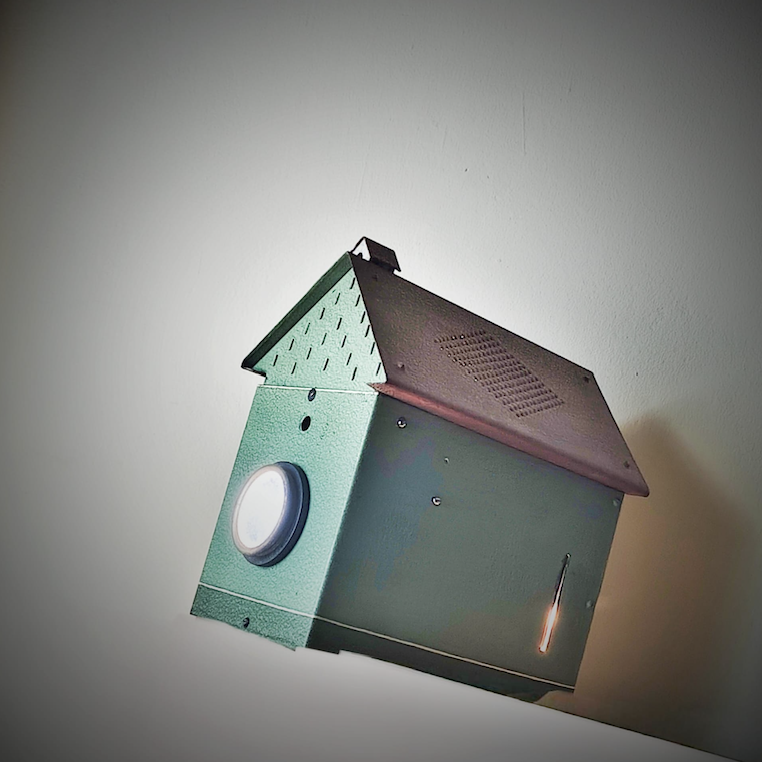
ROBERTA TOSCANO, VIDEO-SCULPTURA
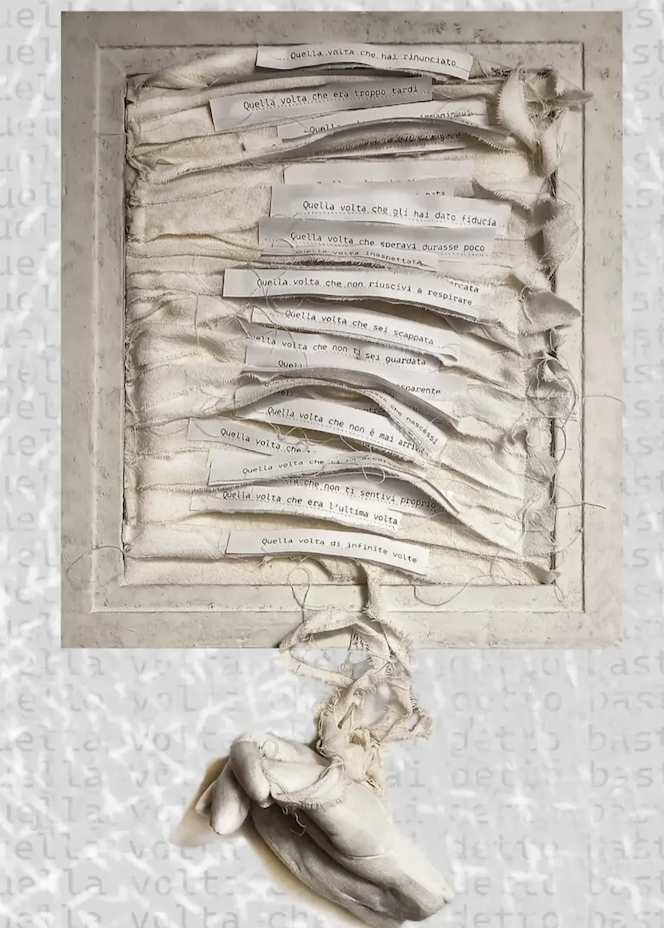
donatella giagnacovo, THAT TIME, MIXED MEDIA
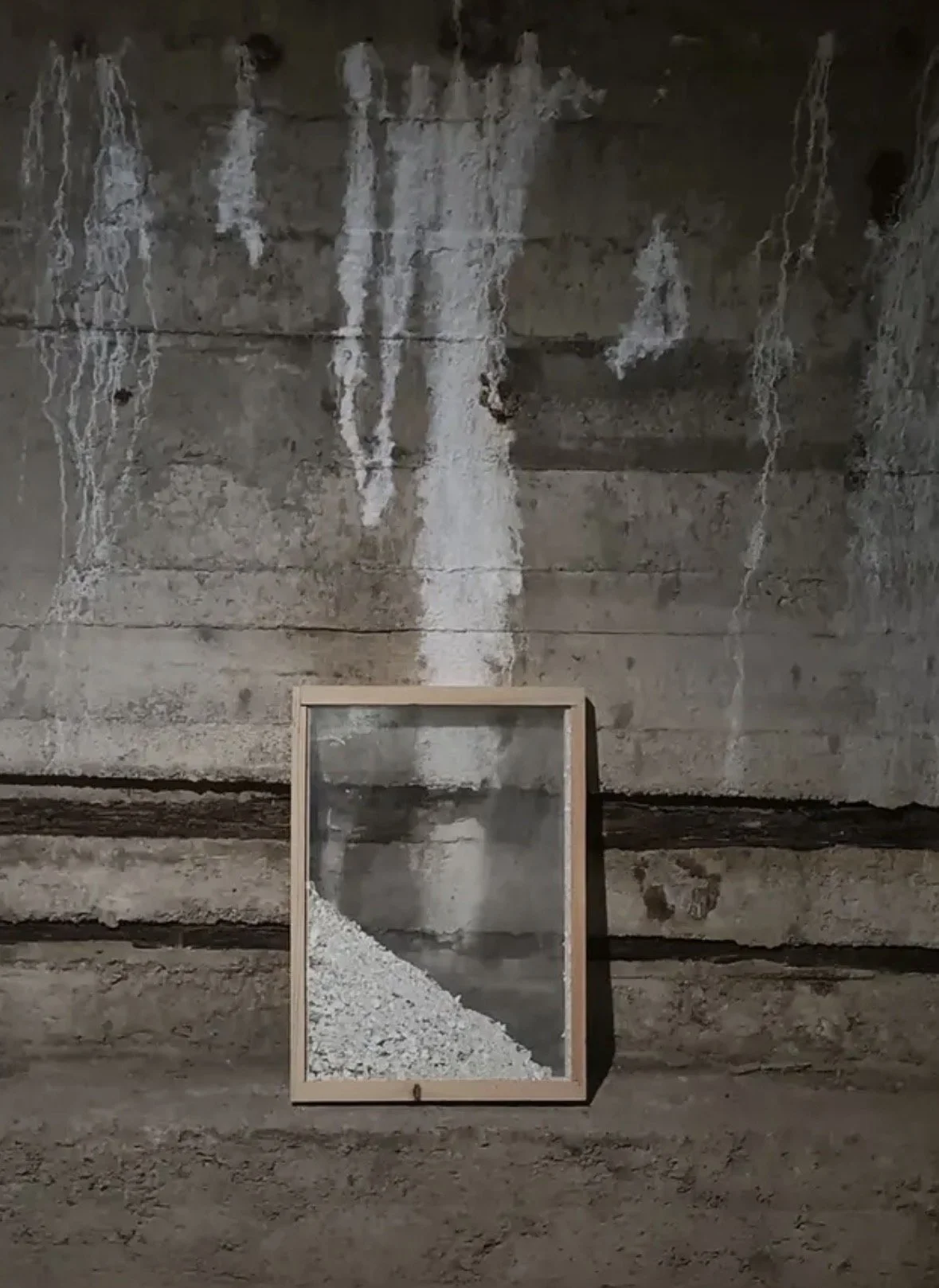
DI MARCO SCARCELLA— Monumentum, 2022, explores cultural layers formed through the destruction and reconstruction of buildings. Fragments of stucco, paintings, and mortar preserve traces of the people who inhabited these places, making visible identities and memories built up over time …”. (COURTESY OF THE ARTIST)
about the curators
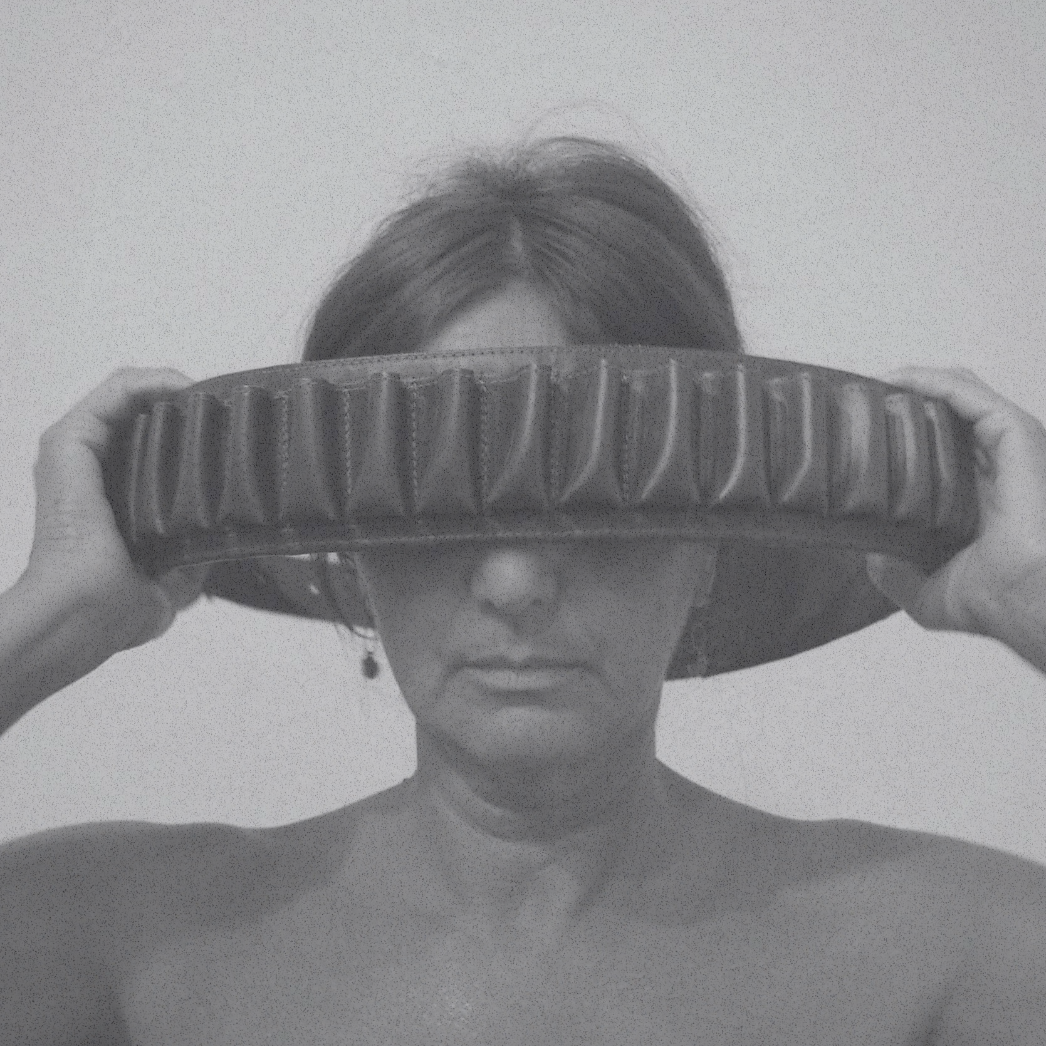
ROBERTA TOSCANO
roberta toscano, la via latttea, turin
Based in Turin, Roberta Toscano is a multidisciplinary artist and curator whose practice lies at the intersection of contemporary art, social practice, and community engagement. With a background in Theater History from the University of Turin and a degree in Printmaking from the Albertina Academy of Fine Arts, she blends photography, installation, video, and writing into a cohesive, process oriented language. Utilizing reclaimed materials and sustainable aesthetics, her work transforms the creative process into a collaborative platform for active listening and shared meaning.
As a pioneer in socially engaged art, Toscano co-founded the acclaimed participatory project Io Coloro with Marco Rabino, bringing inclusive, community building art initiatives to schools, local territories, and fragile environments, including mental health associations and prisons. Her curatorial projects directly connect art with societal themes, notable highlights include Making Stories (Biella), Pianeta B: Circular Art and Regeneration (Ferrara), and her leadership of MA/DONNE, an artistic mobilization and platform dedicated to gender and territorial dialogue.
In addition to her independent research on body, identity, and ecology, she directs La Via Lattea art studio in Turin, a dynamic independent space that serves as an active creative lab, exhibition hub, and community catalyst.
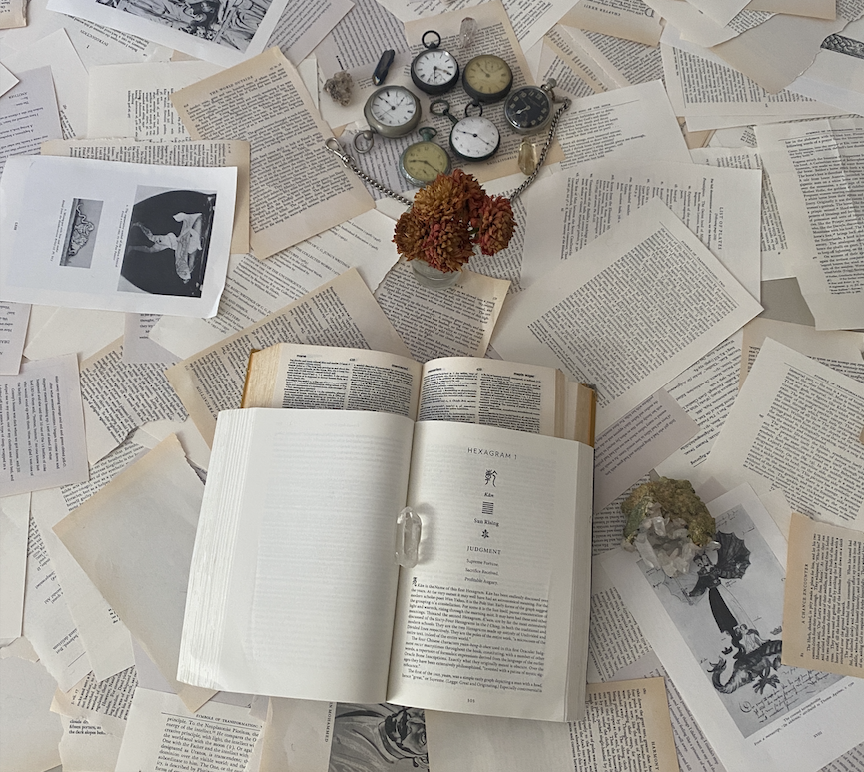
EL NIDO BY VC PROJECTS FOUNDED BY VICTORIA CHAPMAN
victoria chapman, el nido, los angeles
Victoria Chapman is a British-born, Los Angeles-based independent curator and writer whose practice explores the intersections of contemporary art, literature, memory, language, and lived experience. Her work is grounded in sustained observation, artistic research, and an interest in how individuals interpret and inhabit the spaces around them.
A graduate of the School of the Museum of Fine Arts, Boston, at Tufts University, Chapman has more than 25 years of experience working with artists, museums, galleries, and cultural institutions in the United States and internationally. Her professional background includes the Isabella Stewart Gardner Museum, the Victoria and Albert Museum, the Orange County Museum of Art, and the Laguna Art Museum, as well as extensive work in exhibition development, artist collaborations, and curatorial programming.
In 2014, Chapman founded VC Projects, an independent curatorial platform supporting artistic development and interdisciplinary exchange. In 2021, she established El Nido by VC Projects in Los Angeles, an intimate art space dedicated to research, observation, and experimentation across visual art, performance, sound, film, and the written and spoken word.
Alongside her curatorial practice, Chapman writes essays and reflective texts that move between art history, literature, personal observation, and philosophical inquiry. Her ongoing journal, ORBIS — Transmissions, provides a space for field notes, confessions, reflections, and experimental writing. Her research increasingly considers the relationship between language, the body, memory, and the ways in which personal and collective histories become embedded in physical spaces.
Chapman is the conceiver of The Measure of a Room, a traveling, site-specific exhibition investigating how women create, inhabit, negotiate, and redefine space through artistic practice, language, and embodied experience. Developed in collaboration with co-curator Roberta Toscano, the project will originate at La Via Lattea in Torino, Italy, in May 2027, followed by a second chapter at El Nido in Los Angeles in Fall 2027. A further presentation in England is being considered for 2028.
Through her curatorial and writing practices, Chapman continues to explore the possibilities of independent art spaces as environments for inquiry, exchange, and the unfolding relationship between artistic expression and lived experience.